Most people come to see me after something goes wrong. A knee that finally gave out. A back that seized up during a deadlift. A shoulder that's been nagging for months and has now become impossible to ignore. And while I'm glad they came in, I always find myself thinking the same thing: we could have prevented this.
That is the idea behind prehab training, yet many active adults still overlook it. If you are between 35 and 65 and live in Plymouth, Canton, Northville, Livonia, or Metro Detroit, this article is for you.
What Is Prehab Training?
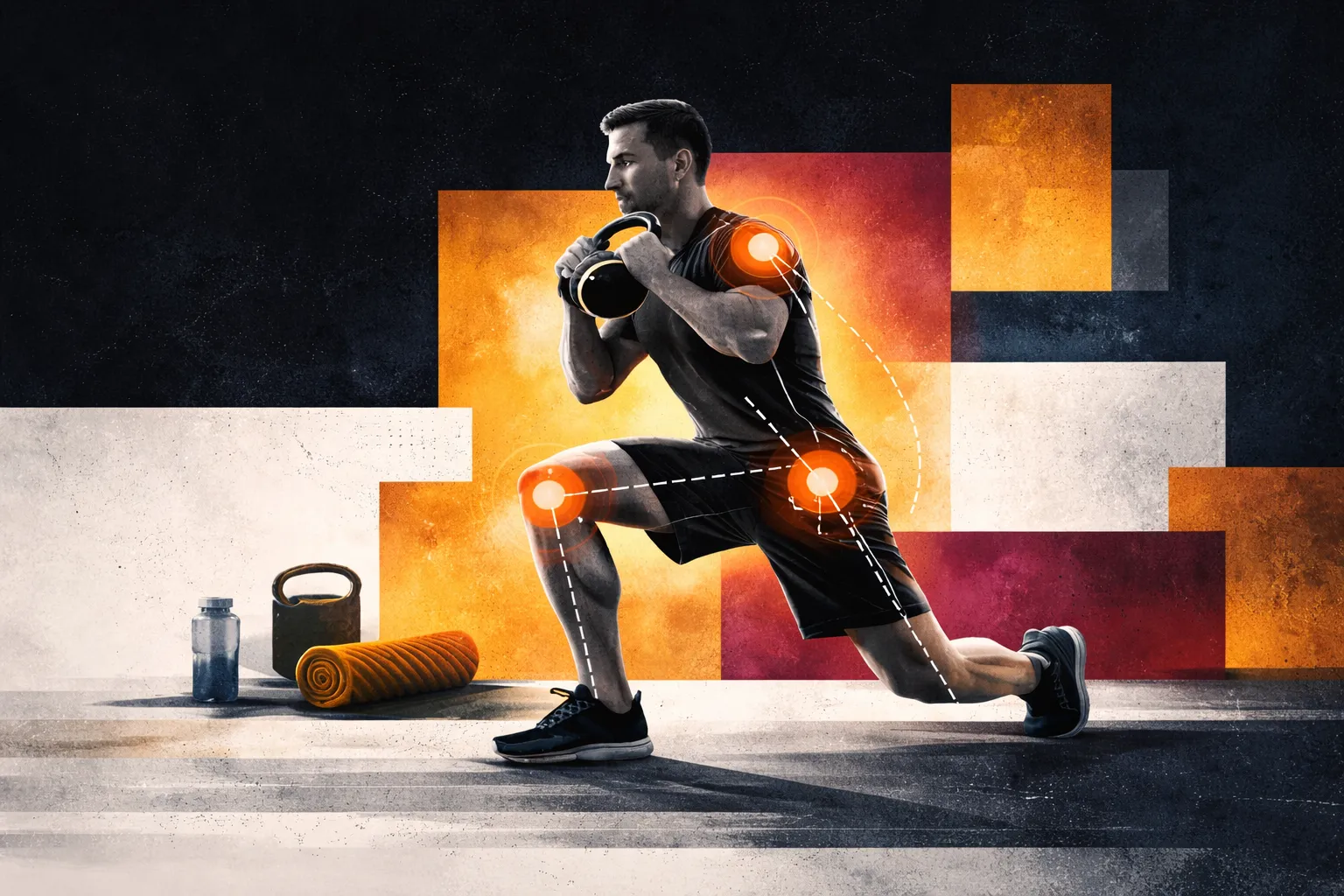
Prehab is short for prehabilitation. It uses targeted exercise and movement work to prepare your body before an injury happens. Traditional rehabilitation helps you recover after an injury. Prehab works on weak areas, imbalances, and poor movement patterns before they become bigger problems.
Think of it like maintaining your car. You don't wait for the engine to blow before you change the oil. You maintain it regularly so breakdowns don't happen. Prehab is maintenance for your body.
A well-designed prehab program typically includes:
- Strength training targeting muscles that stabilize vulnerable joints
- Mobility work to ensure joints move through their full range without restriction
- Stability and balance exercises to improve how your brain and muscles work together
- Flexibility routines that reduce tissue tension and improve movement quality
- Movement training to change the ways your body works around weak or stiff areas
Why Active Adults Over 35 Are the Highest Risk Group
Here's something I see constantly in my Plymouth clinic: people who are reasonably fit, active, and health-conscious — and still getting injured regularly.
The reason is simple. Recovery often takes longer as you get older. Small movement problems that your body handled in your 20s may start to show up as pain or injury later on.
Many active adults over 35 keep training the same way they did a decade ago. They run the same mileage, lift the same way, and play the same weekend sports without giving their recovery much thought.
This is exactly where prehab fills the gap. It's not about training less. It's about training smarter — building the structural foundation your body needs to keep doing the things you love without breaking down.
The Most Common Injuries Prehab Prevents
In my work with active adults in the Metro Detroit area, the injuries I most commonly see that prehab directly prevents include:
Lower Back Injuries
Often caused by weak glutes, tight hip flexors, and poor core stability. The back takes the hit because the surrounding structures aren't doing their job.
Rotator Cuff Tears and Shoulder Impingement
This can happen when the muscles around your shoulder blade are weak, your upper back is stiff, or your pushing muscles are much stronger than your pulling muscles.
Knee Pain and Meniscus Issues
Frequently traced back to weak hips, poor ankle mobility, and quad-dominant movement patterns that overload the knee joint.
Hip Flexor and Groin Strains
Common in runners and athletes whose hips lack the strength and mobility to handle repetitive loading.
IT Band Syndrome
Almost always a hip stability and glute strength issue — not actually a problem with the IT band itself.
In every one of these cases, there were warning signs weeks or months before the injury occurred. Prehab is how you catch and correct those warning signs before they become a problem that takes you out of the gym, off the field, or away from the activities that matter to you.
What Does a Prehab Program Actually Look Like?
One of the biggest misconceptions about prehab is that it's time-consuming or complicated. It doesn't have to be either.
At SYMYO, prehab programs are designed to be integrated into your existing routine — not replace it. Most targeted prehab work takes 10 to 20 minutes and can be done before your regular training session as an active warm-up, or on recovery days as standalone work.
A typical prehab block at SYMYO might include:
- Hip activation and glute priming before lower body training
- Shoulder stability and rotator cuff prep before pushing or pulling movements
- Core and spinal stability work before heavy lifting or high-impact activity
- Single-leg strength and balance training to correct side-to-side imbalances
- Upper-back mobility work to reduce strain on the neck, shoulders, and lower back
The key is that the program is built around your movement assessment, not a generic template. What you need depends on how you move, where you are limited, and what activities you want to keep doing.
Prehab vs. Rehab: What's the Real Difference?
It comes down to timing and cost — in every sense of the word.
Rehab happens after an injury. It means time off from training, weeks or months of recovery, medical appointments, and often significant frustration. Depending on the injury, it can mean surgery, extended physical therapy, and a long road back to doing what you love.
Prehab happens before the injury. It's a relatively small investment of time and attention that pays off by keeping you healthy, active, and performing at your best for the long term.
In my experience, patients who commit to regular prehab not only avoid injury — they also perform better, recover faster, and have a significantly lower Movement Age™ than their peers who skip this kind of proactive work.
Prehab Training Near Me: Plymouth, Canton, Northville, Livonia & Metro Detroit
If you're searching for prehab training near me in Plymouth, Canton, Northville, Livonia, or anywhere in the Metro Detroit area, SYMYO offers a clinical approach that combines movement assessment, sports chiropractic care, and targeted prehab programming into one cohesive plan.
You shouldn't have to wait until something breaks down to take your movement seriously. Whether you're an athlete, a weekend warrior, or an active professional who just wants to stay healthy and keep doing what you love — prehab is the smartest investment you can make in your body right now.
Let's find your weak links before they find you.