9.77/10
Average Assessment Rating
Patients consistently report greater clarity about what is causing their problem, what needs to improve, and what to do next.
Movement Age™ Assessment
Movement Age shows how well your body moves today, what may be holding it back, and where to focus first to help your body move younger.
The Baseline
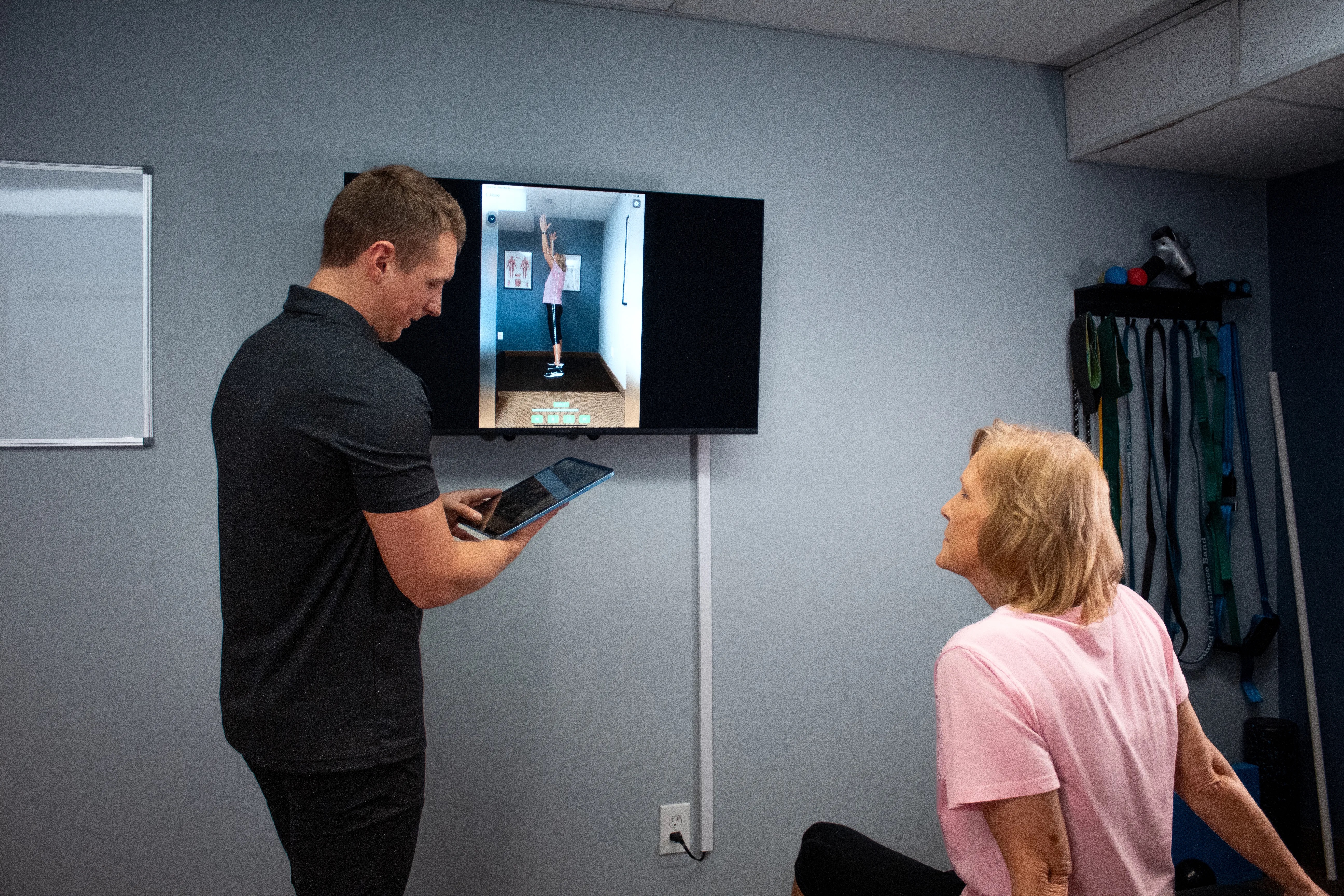
Movement Age is a measure of how your body currently moves and functions compared with what we would expect based on your actual age.
It gives you a clearer picture of your mobility, movement quality, strength, balance, control, posture, and overall physical capacity.
Your Movement Age is a diagnosis of how your body moves today—not a permanent label. It establishes a baseline that shows what your body does well, where it is limited, and what can improve over time.
Assessment Results
9.77/10
Patients consistently report greater clarity about what is causing their problem, what needs to improve, and what to do next.
6.1/10 → 9.5/10
Average patient understanding of their problem before and after the assessment.
83%
Based on SYMYO assessment data.
Based on recent SYMYO patient survey responses and assessment data.
The Complete Picture
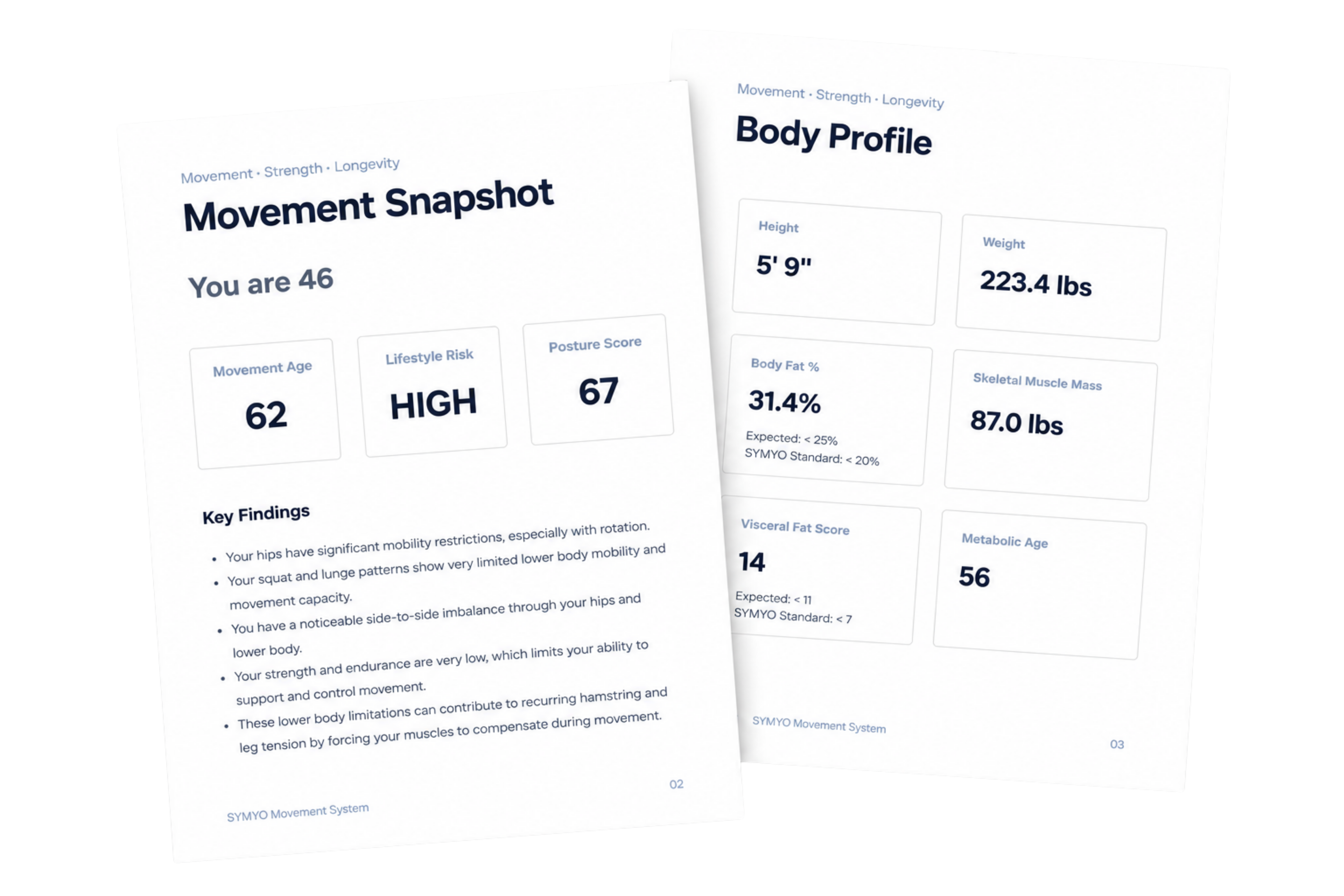
Your Movement Age is calculated by combining multiple parts of your physical health into one complete picture.
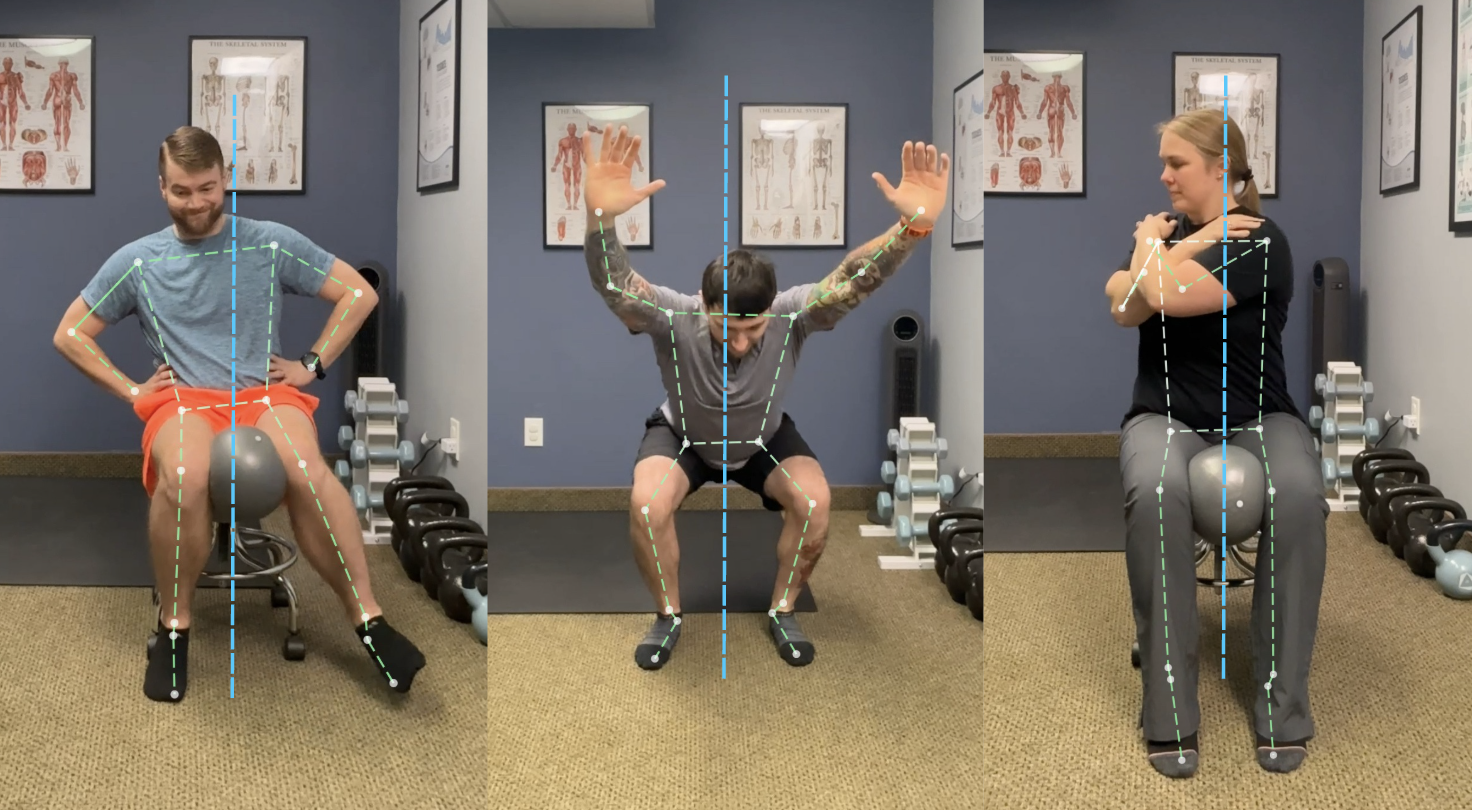
AI-assisted movement analysis is one part of the assessment. Dr. Mitch combines those findings with your functional testing to calculate your Movement Age™. Body composition and lifestyle factors are included separately in your Physical Health Report. They add context but do not affect your Movement Age™ score.
The SYMYO System
Measure
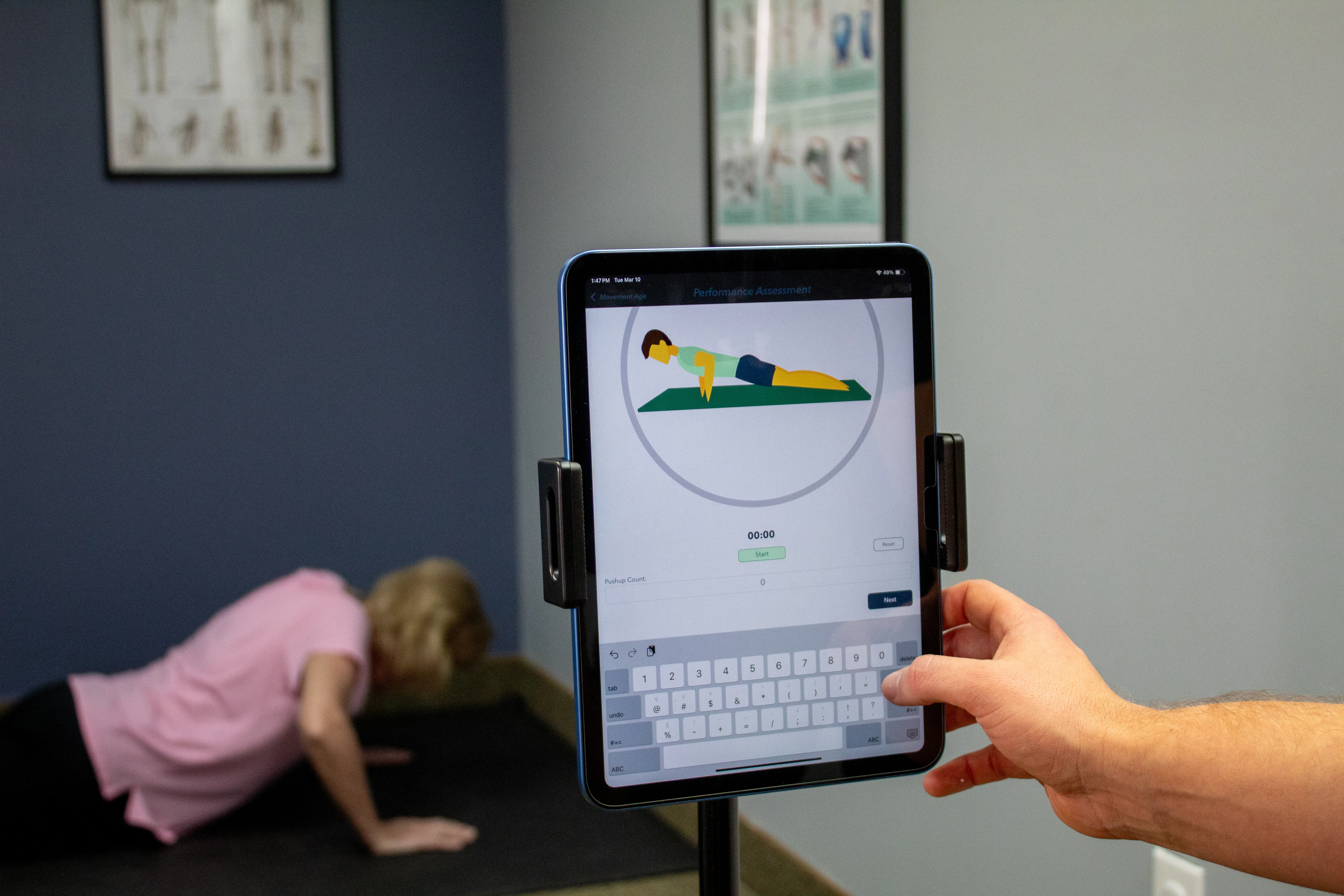
01I use movement testing and AI-assisted analysis to look at your posture, mobility, strength, balance, and core control. Those findings help calculate your Movement Age™. We also measure body composition separately and put the full picture in your Physical Health Report.
Understand
02We review your Physical Health Report together. I’ll connect the findings to your symptoms and goals, explain what they mean, and show you what to focus on first.
Improve
03You’ll receive a three-step roadmap with your biggest priorities, what to work on first, and practical mobility and strength recommendations. You’ll know what to do next, whether you continue with SYMYO or work on your own.
Your Deliverables
A clear baseline for how your body moves today.
Your movement and physical-health findings in one place.
A clearer view of how your body organizes movement.
Mobility, strength, balance, and core-control findings.
Measurements that add context to your physical-health baseline.
The limitations having the greatest effect on your body.
Priorities and recommendations built from your findings.
Guidance on what to improve first and why it matters.
Objective Clarity
Your body can gradually lose mobility, strength, balance, and control long before you stop being active.
Movement Age gives you an objective baseline so you can see what is changing, understand what needs attention, and track whether your body is improving over time.
It can reveal the physical limitations that may be contributing to stiffness, recurring pain, reduced performance, or feeling older than you should.
Who It Helps
Real experiences from patients who wanted clearer answers and a better way forward.
★★★★★
“Very up to date on all the cool new technology to help find the problem and help me feel better in the long run. He really listens and understands your issues.”
Candis H
★★★★★
“He seeks solutions to problems rather than temporary relief. My overall pain has gone down, and my strength and mobility have gone up.”
Sam P
★★★★★
“The approach Dr. Mitch takes is much different than most. His plan of care gets you back to where you want to be so you can achieve your goals.”
Kathryn H
★★★★★
“He helped subside the pain, educated me on movements I could do on my own, and helped me rebuild my weak links.”
Cody M
★★★★★
“He takes the time to understand the root cause instead of simply treating the symptoms. You can tell he wants long-term results, not temporary relief.”
Callie M
★★★★★
“It was the most thorough appointment I have ever experienced, and I left feeling confident that I am in the right hands for my recovery, strengthening, and overall well-being.”
Tracey S
★★★★★
“It is not just popping some joints and sending you on your way. Dr. Mitch creates a plan to help prevent the issue from coming back in the future.”
Jacob L
★★★★★
“It is a team effort. The adjustments complement the program and are not just the quick fixes I have had in the past.”
Lisa C
★★★★★
“He explained his thought process and what was going on, which gave me confidence in the approach and helped me stop worrying about a serious injury.”
Justin N
★★★★★
“I was looking for someone to help me understand what was physically wrong. The full-circle explanations and visual aids make the process approachable and inviting.”
Jay S
★★★★★
“As a collegiate runner, Dr. Mitch helped me strengthen my knees and hips in just a few weeks.”
Jack L
★★★★★
“The mobility assessment was very detailed and revealed useful information. I love that I can use the assessment bundle to track my progress over the next year.”
Patti T
The SYMYO Method
Yes. Movement Age is not a permanent label. It can change as you improve the mobility, strength, balance, control, movement quality, and habits affecting your physical health.
Reduce the pain, irritation, and tension limiting how your body moves.
Restore the mobility, control, and movement options your body is missing.
Build the strength and control to keep using the movement you worked to restore.
SYMYO System: Measure → Understand → Improve • SYMYO Method: Reduce → Restore → Reinforce
FAQ
No. Movement Age™ reflects how your body moves and functions today. It gives you a simple comparison with your actual age.
Dr. Mitch combines movement and functional testing with clinical interpretation. Body composition and lifestyle factors provide additional health context in your Physical Health Report, but they do not affect your Movement Age™ score.
No. AI-assisted analysis helps measure movement and posture. Dr. Mitch combines and interprets those findings with the rest of your movement and functional testing. Body composition and lifestyle factors do not affect the Movement Age™ score.
Yes. It can change as you improve the mobility, strength, balance, control, and habits that affect how you move.
No. Active adults also use the assessment to establish a baseline, improve performance, and protect their long-term physical capability.
You return for a 30-minute Findings Review. Dr. Mitch explains your Physical Health Report and gives you a Personalized Three-Step Roadmap. Continuing care with SYMYO afterward is optional.
Every assessment includes a Personalized Three-Step Roadmap showing what to improve and in what order. A detailed 12-week custom training and treatment program is created for patients who choose to continue care with SYMYO.
Yes. You can complete the qualification form, call or text Dr. Mitch, or book the assessment directly if you already know you are ready.
Your Next Step
Start with a comprehensive assessment that measures how your body moves, explains what the findings mean, and shows you what to improve first.
Have questions before booking? Talk directly with Dr. Mitch Israel.
If I’m with a patient or it’s outside office hours, I may not be able to answer right away. Leave a voicemail or send me a text and I’ll personally get back to you.
Already ready? Book Your Movement Assessment