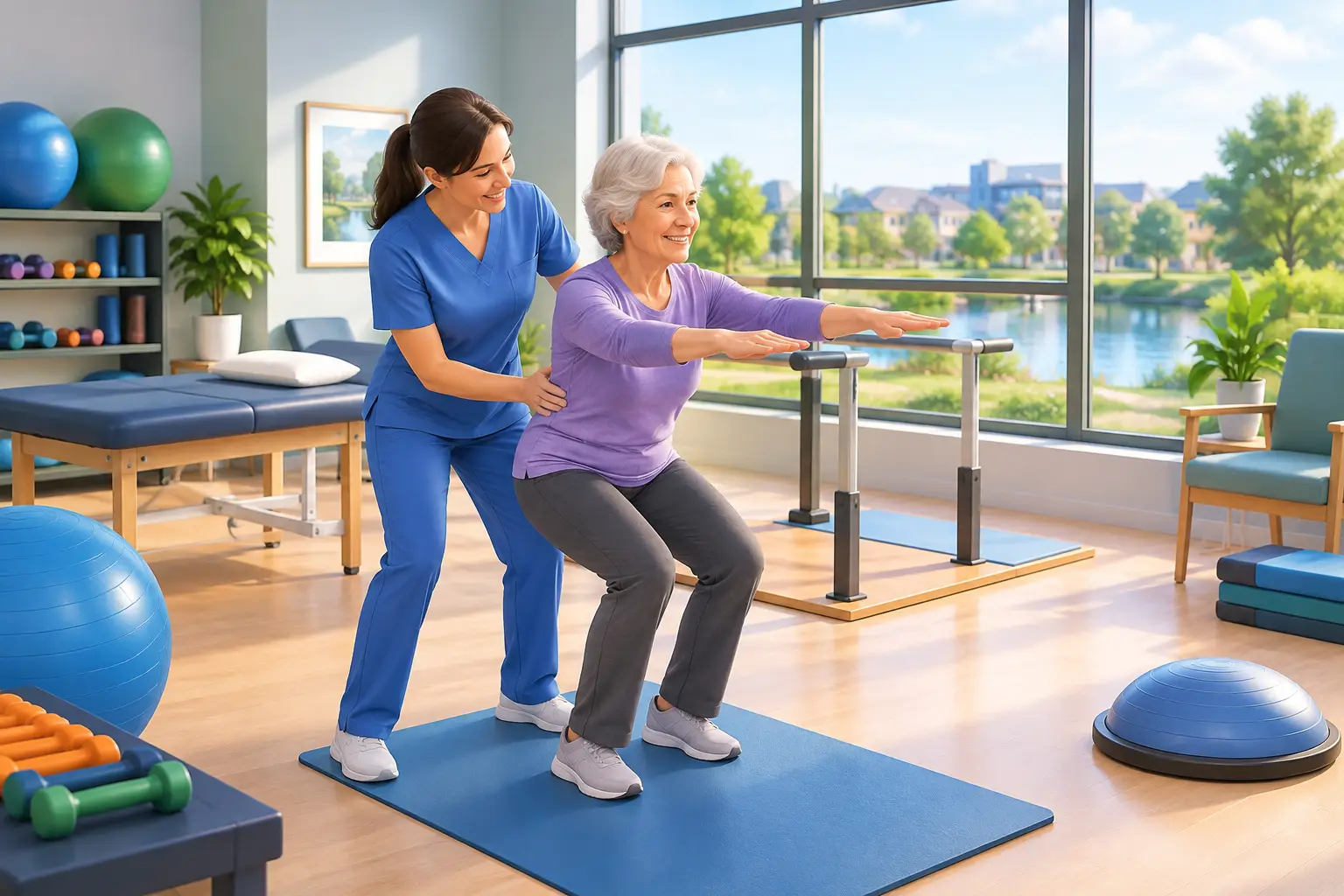
Farmington Hills Active Adult Rehab That Builds Capacity
Farmington Hills active adult rehab combines movement testing, hands-on care, and strength progressions so you can return to activity with confidence.

From the clinic
Explore articles about movement, pain, rehabilitation, and staying active.
Farmington Hills active adult rehab combines movement testing, hands-on care, and strength progressions so you can return to activity with confidence.
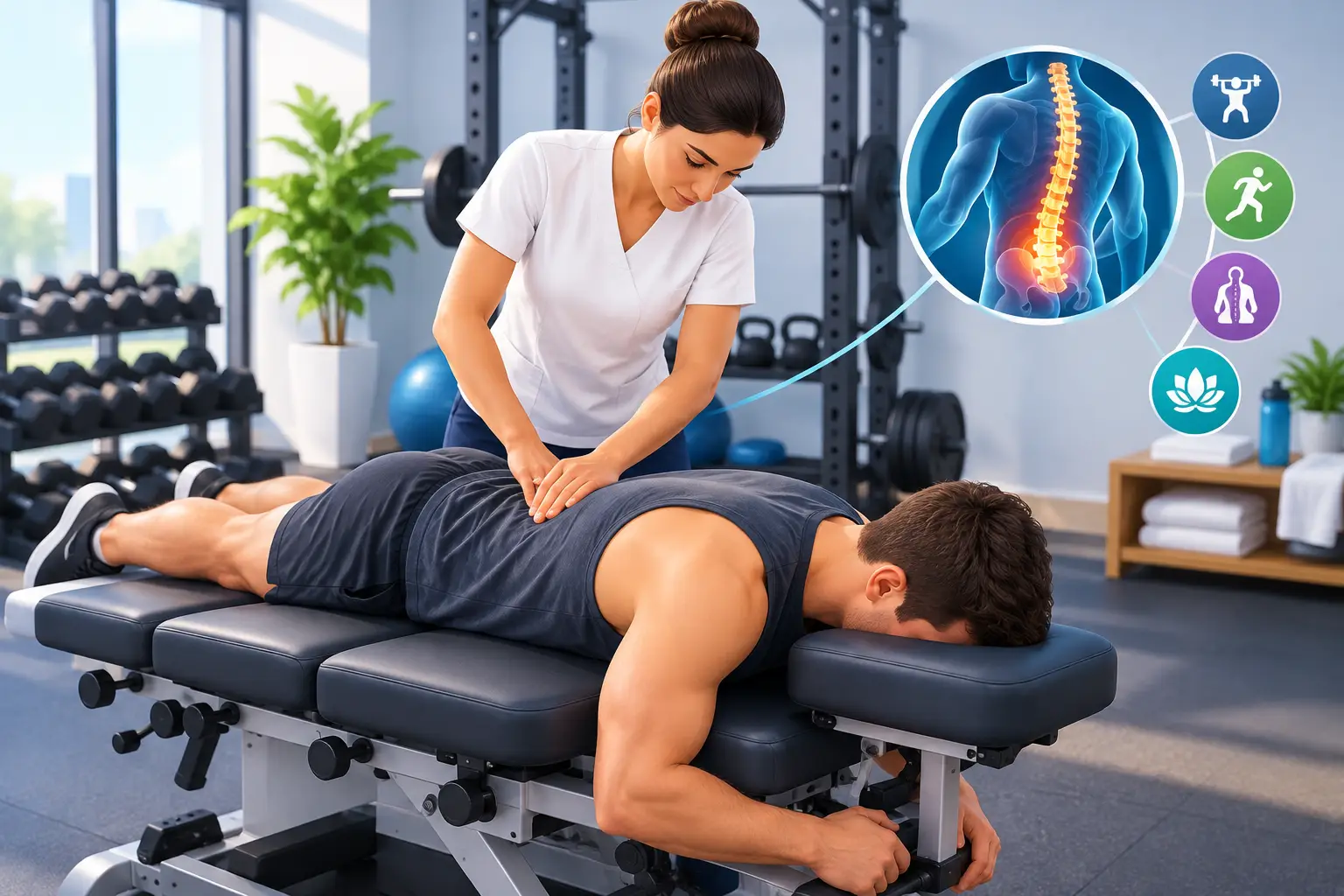
Can chiropractic help gym pain? See how movement assessment, hands-on care, and strength-based rehab can support a confident return to training safely.
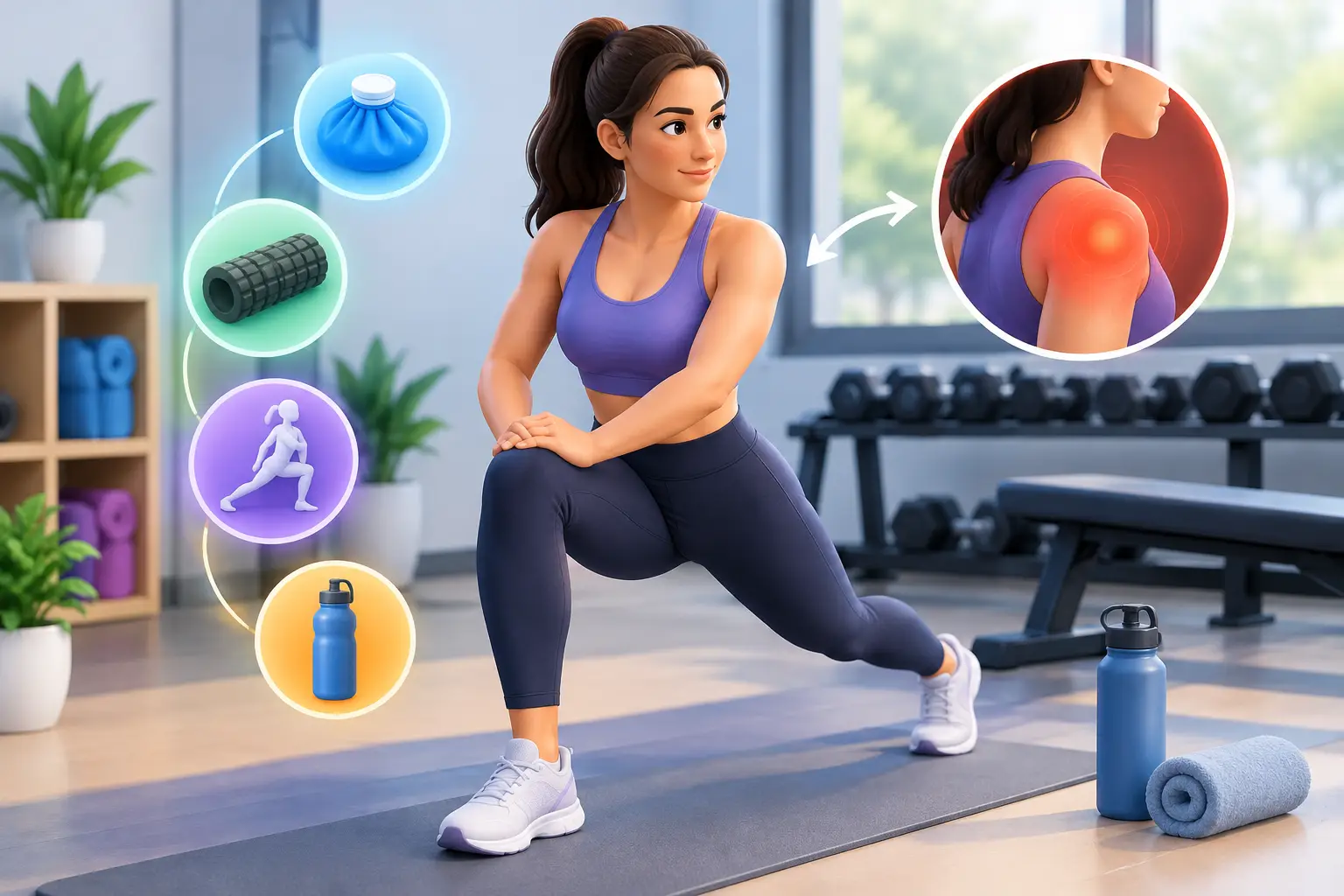
Learn how to manage workout flareups with smart load changes, clear warning signs, and a plan to rebuild strength and confidence in movement over time.
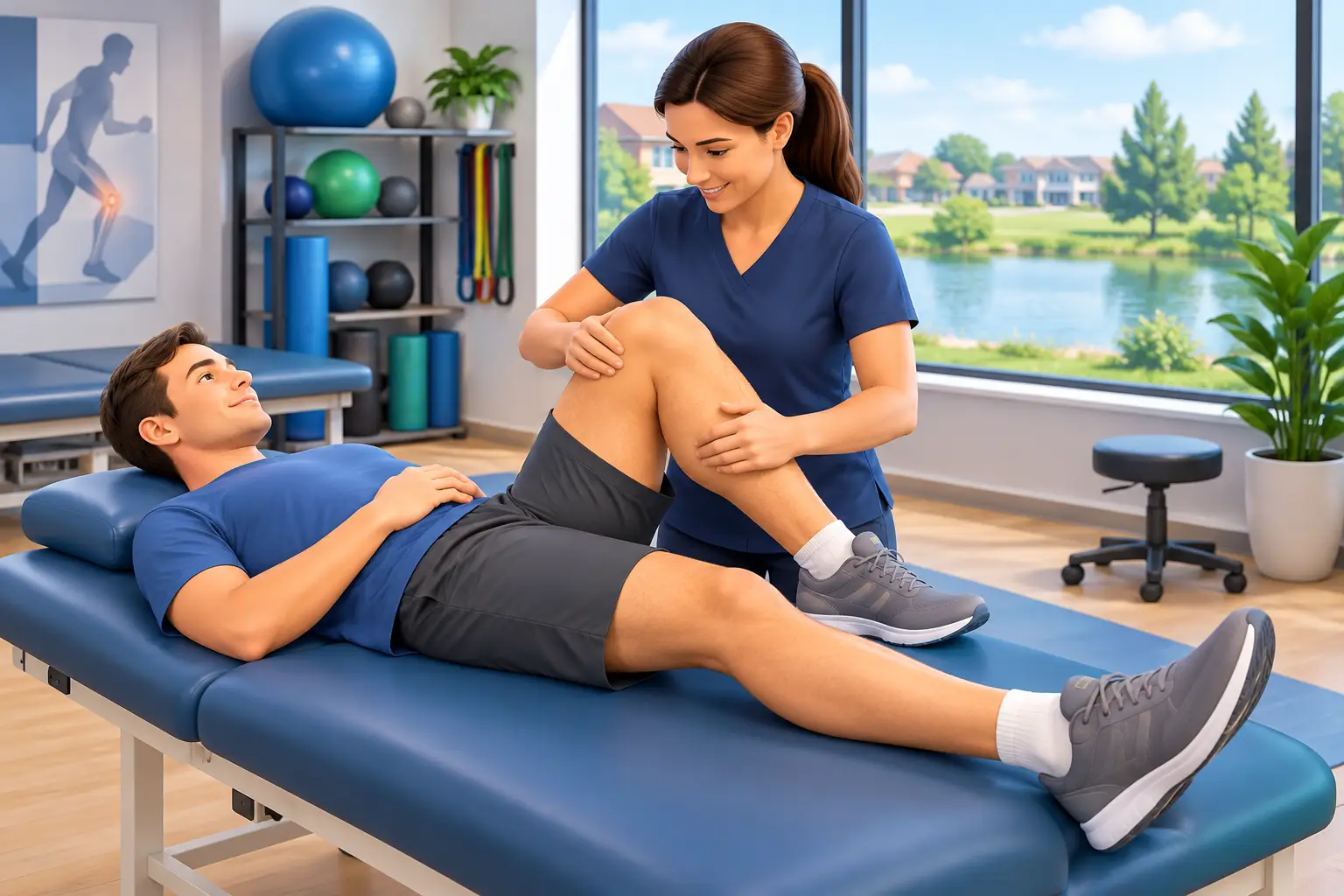
Looking for the best knee rehab in Farmington Hills? Learn what a complete plan should assess, how progress is measured, and when strength matters most.
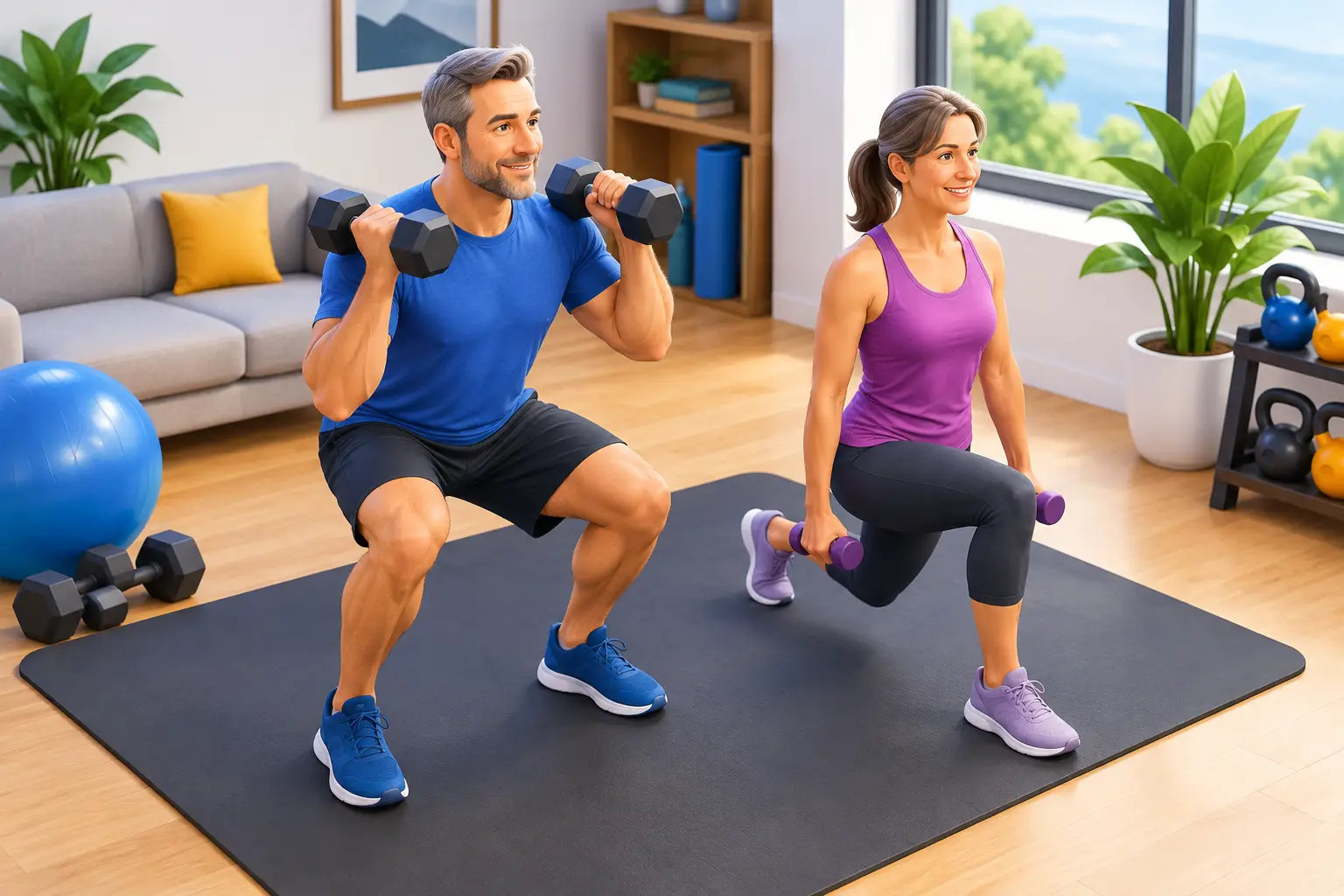
Strength training helps active adults build capacity, move with confidence, and return to the gym with a plan that fits their body and goals over time.
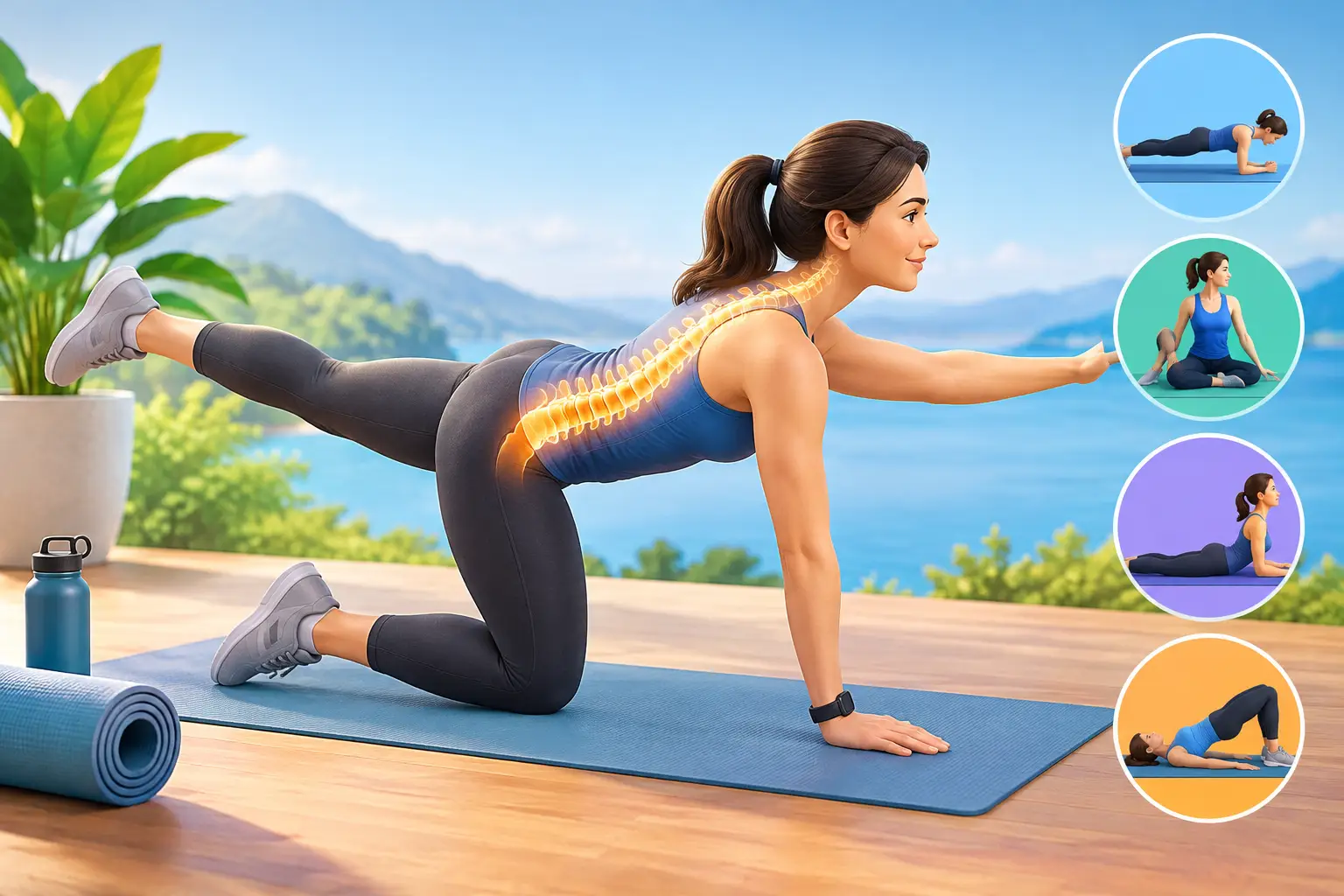
Learn how to build spinal endurance with practical exercises, smart progressions, and a whole-body plan to stay active, strong, and confident for years.
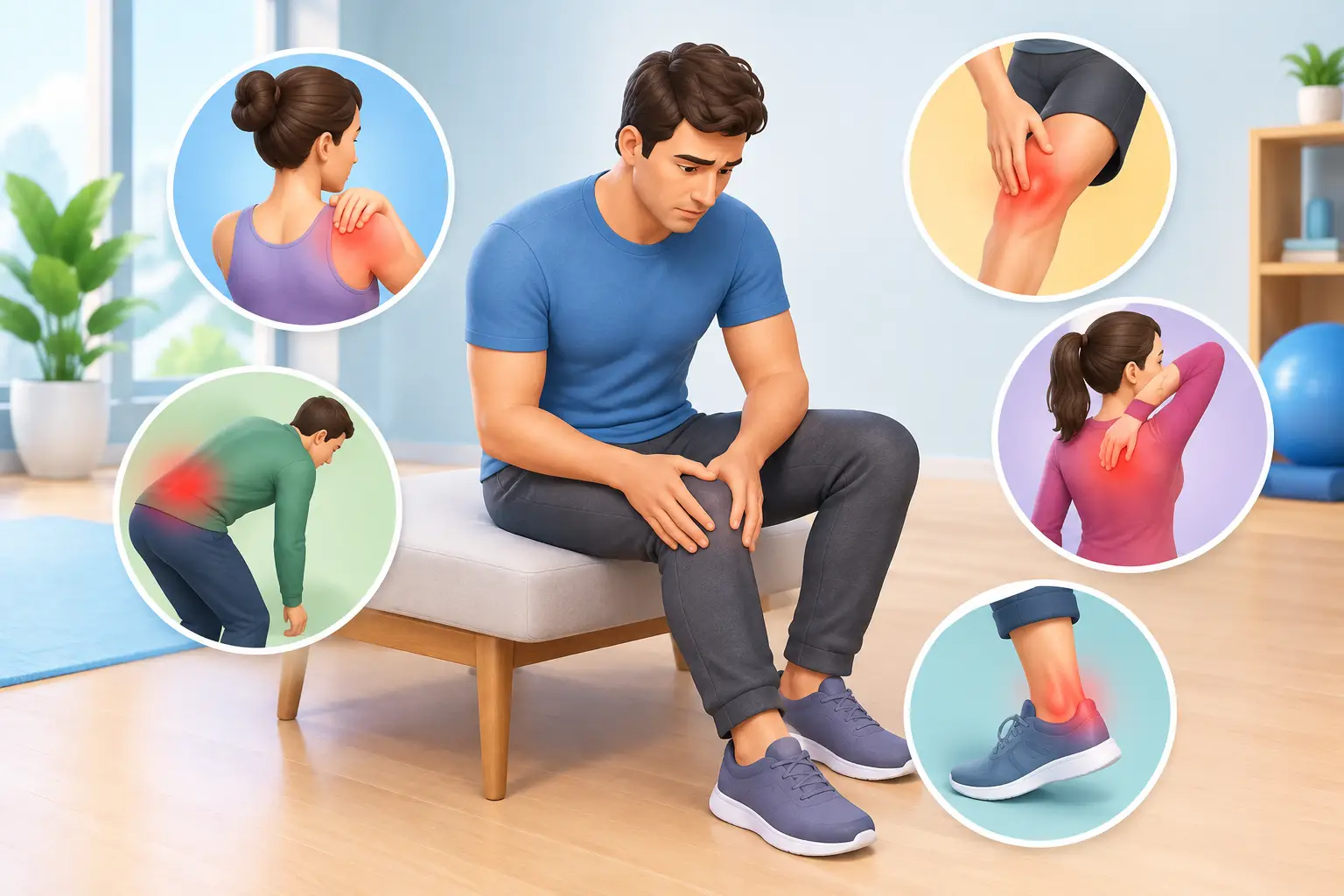
Learn the top signs of movement limitations, why they matter for active adults, and how a whole-body assessment can guide a clear plan to move better.

Use this guide to healthy aging movement to assess mobility, build strength, improve balance, and stay capable in the activities you enjoy for years.
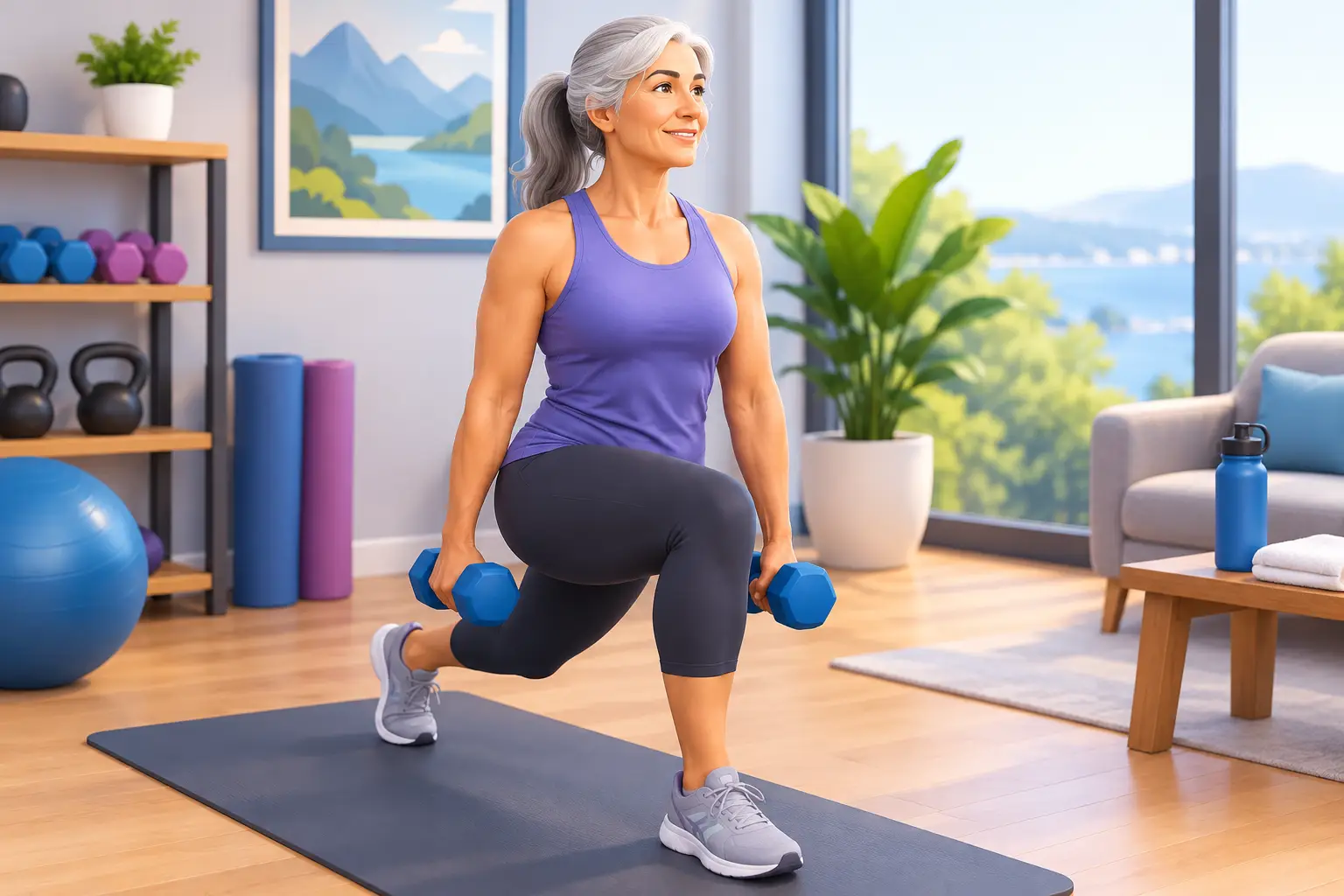
This guide to strength after 50 explains how to assess mobility, build capacity, and train with confidence when pain or stiffness gets in the way again.
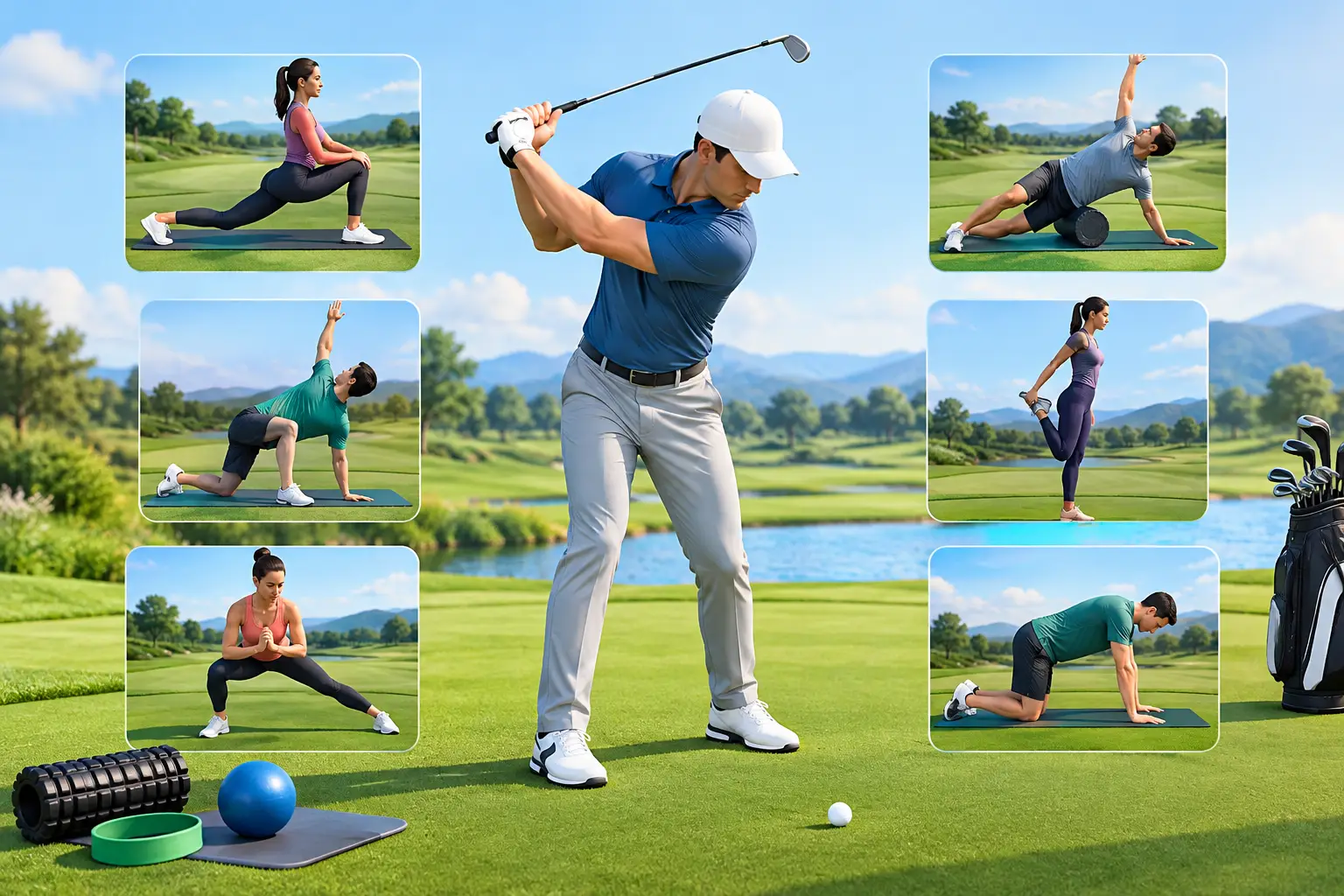
The best golf mobility drills improve rotation, hip motion, and shoulder control so active adults can swing with more comfort, balance, and confidence.
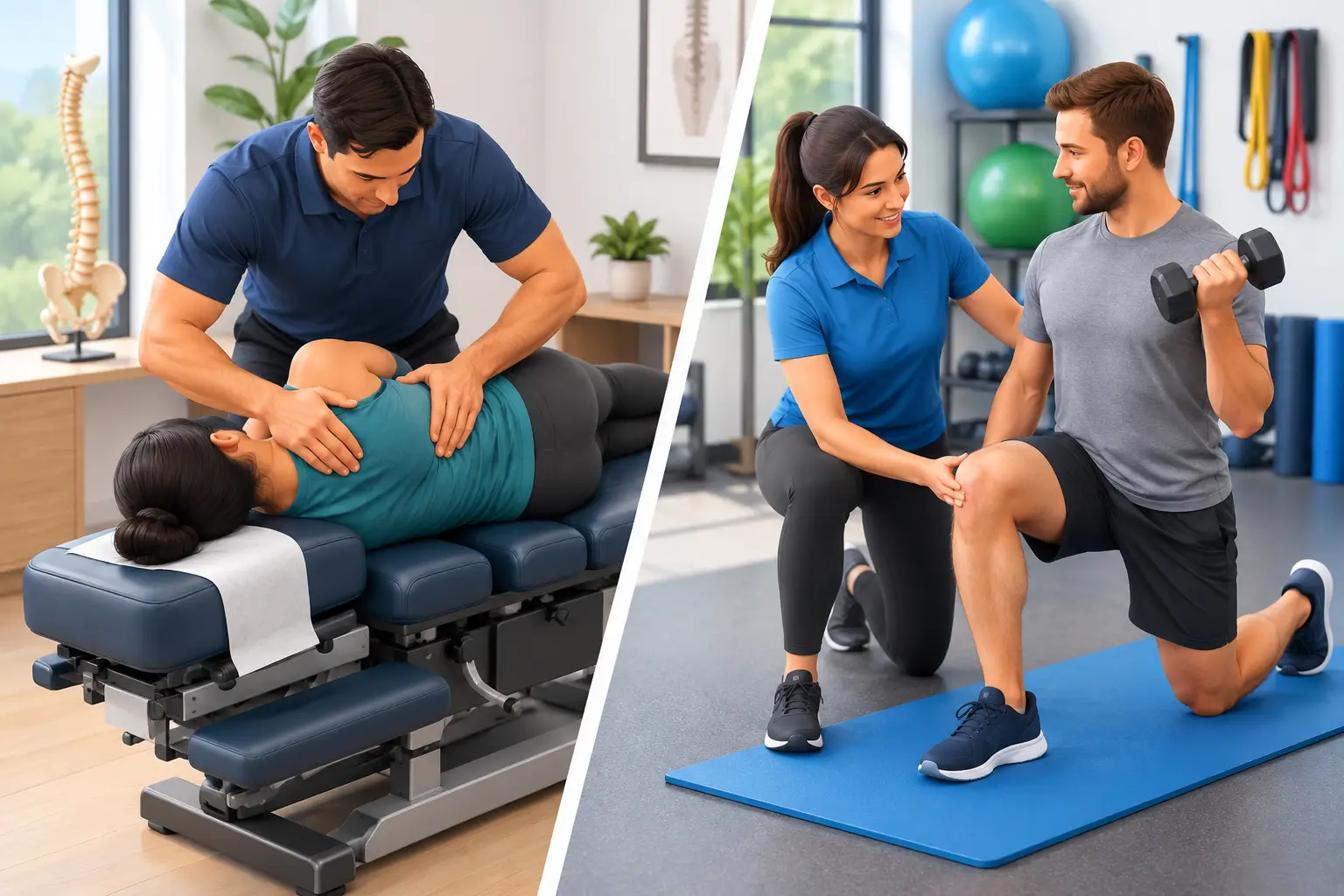
Chiropractic versus physical therapy for active adults: compare goals, treatment styles, and how a plan can help you move better and get stronger today.
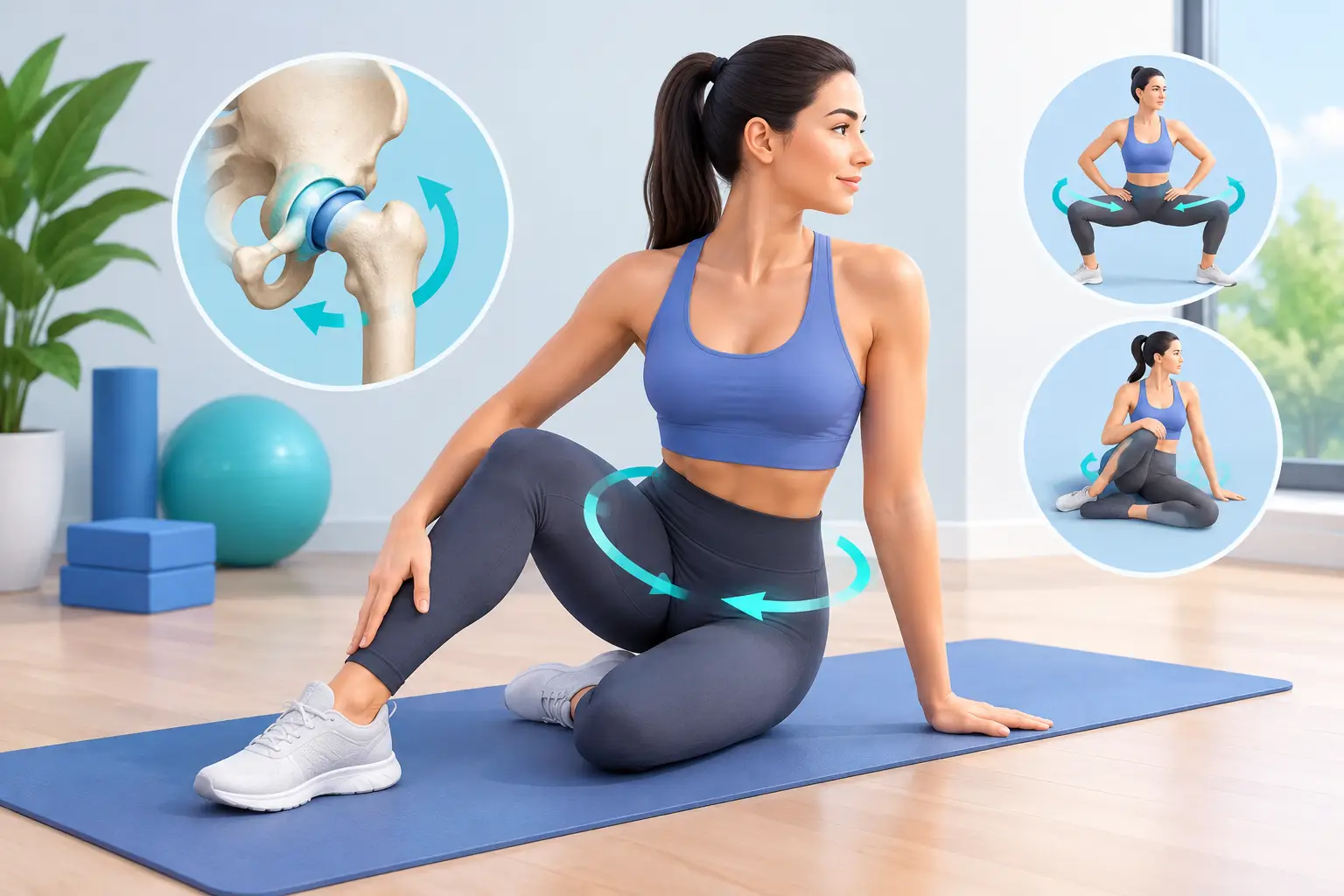
Learn how to restore hip rotation with a clear plan for mobility, control, and strength so you can move better and return to the activities you enjoy.
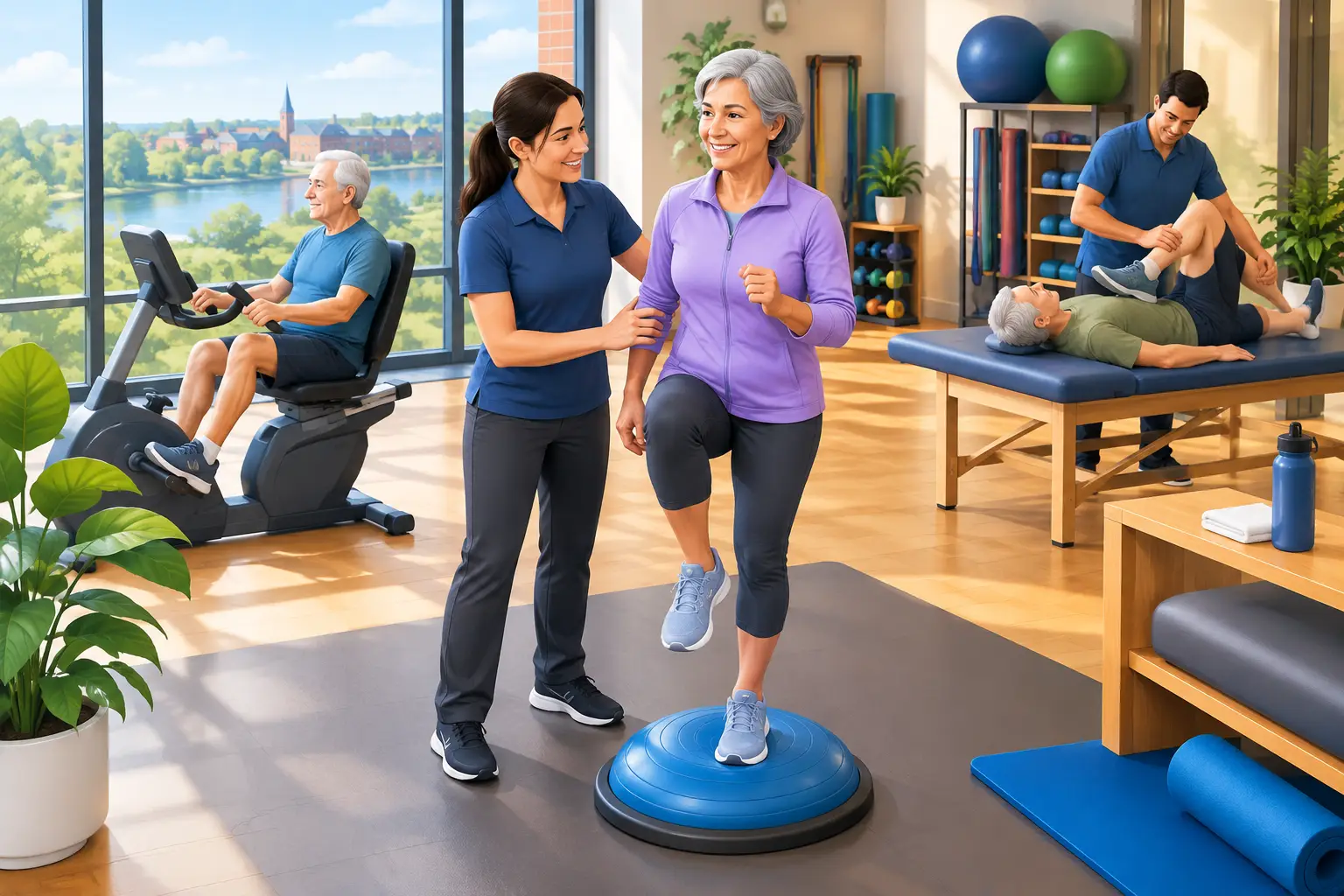
A practical Northville rehab program review for active adults: compare assessment, progressive strength, goals, and support before choosing care today.
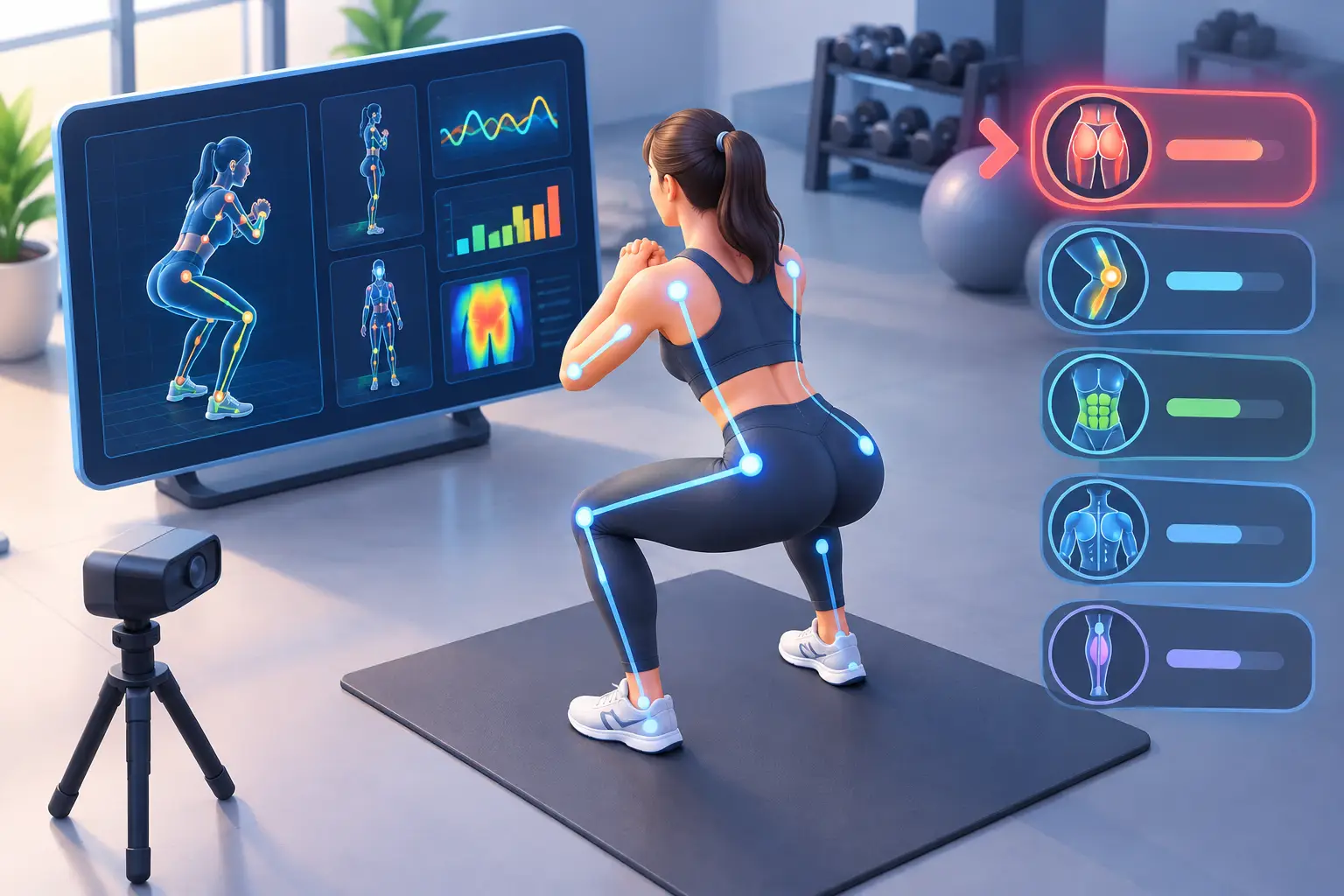
AI movement analysis measures how your body moves, helping active adults identify limitations, prioritize training, and build lasting capacity safely.
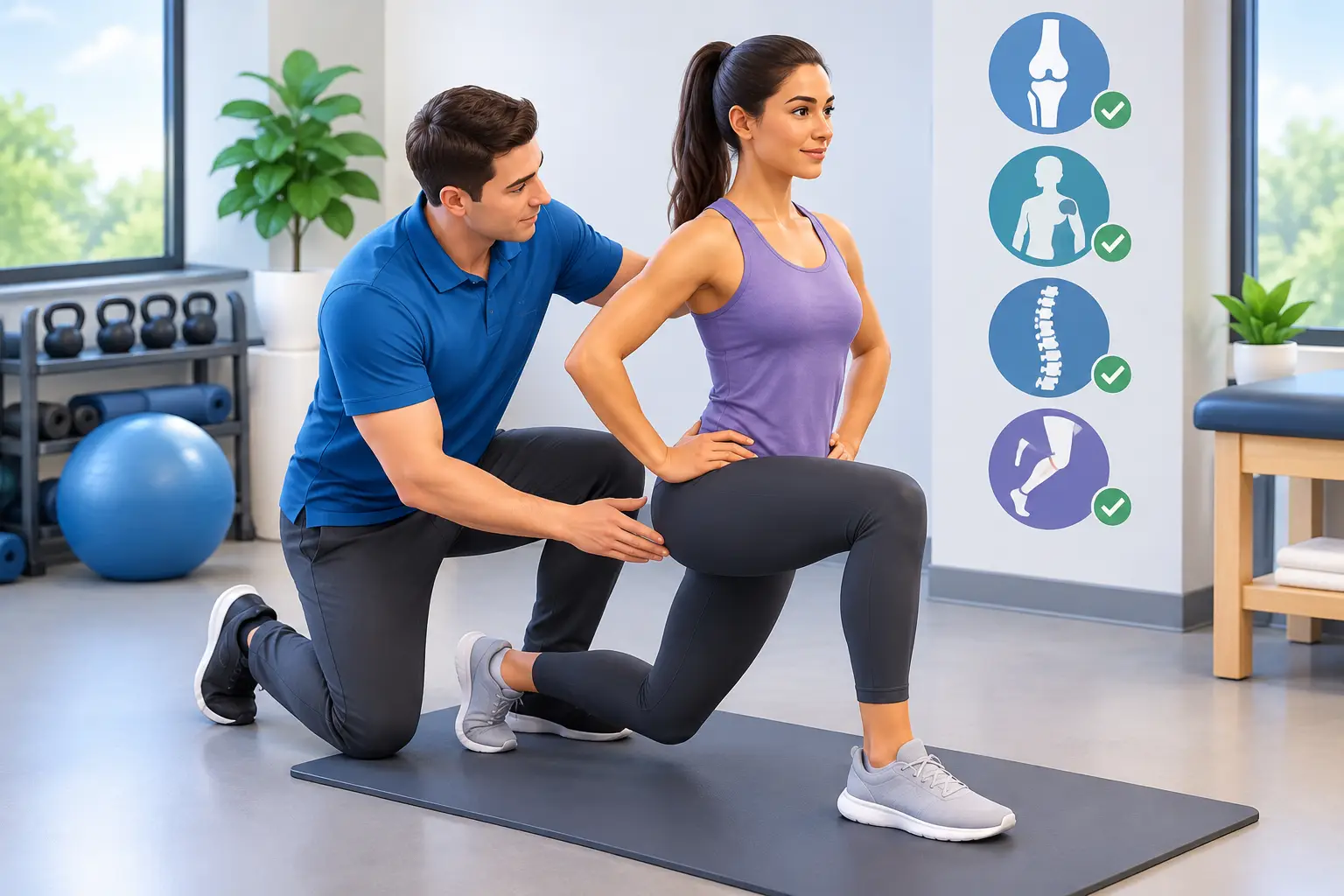
Injury prevention screening uses movement and strength data to identify limitations, prioritize training, and help active adults stay active longer and stronger.
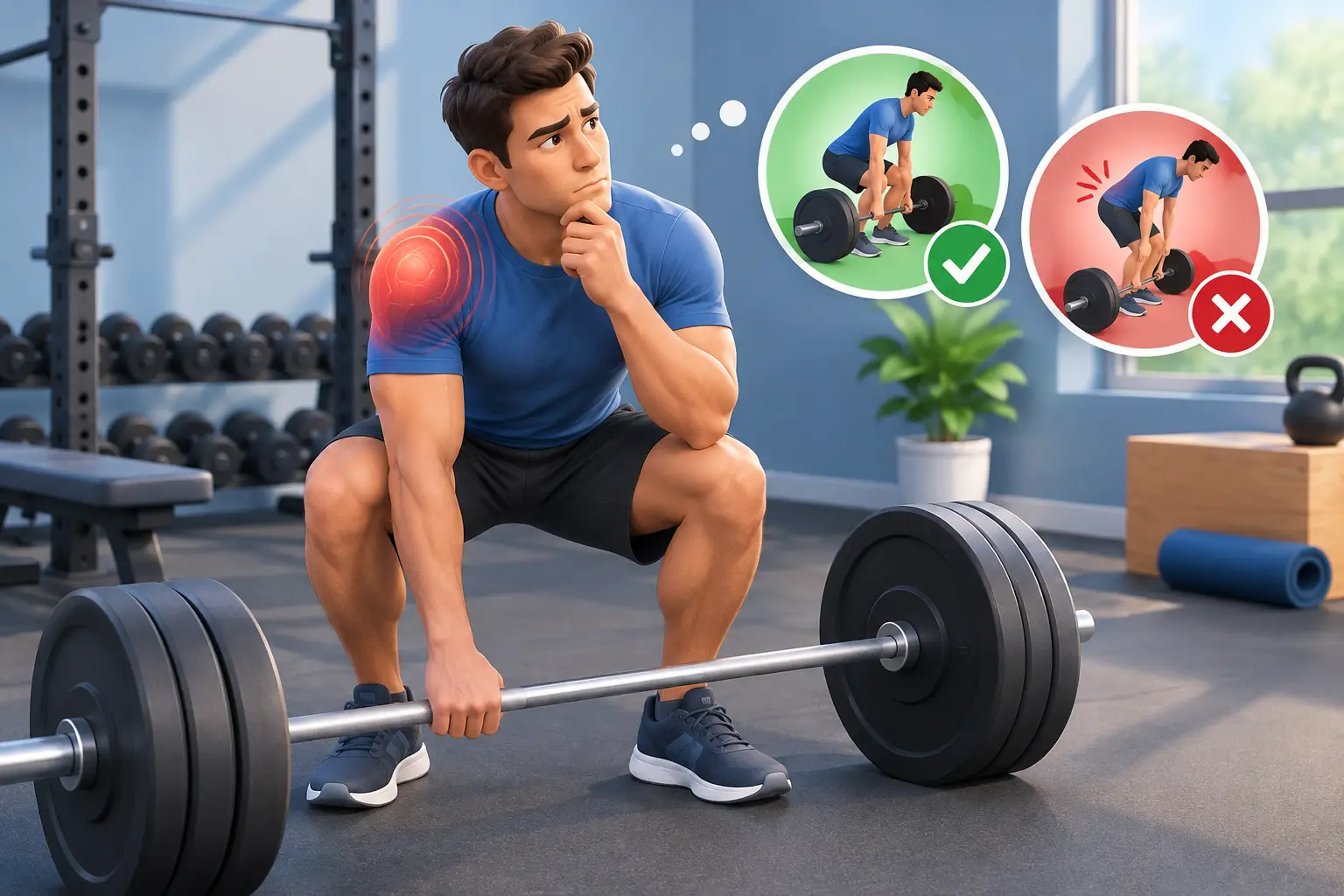
Is lifting safe with pain? Learn how to judge symptoms, modify training, spot warning signs, and build a clear return-to-strength plan with confidence.
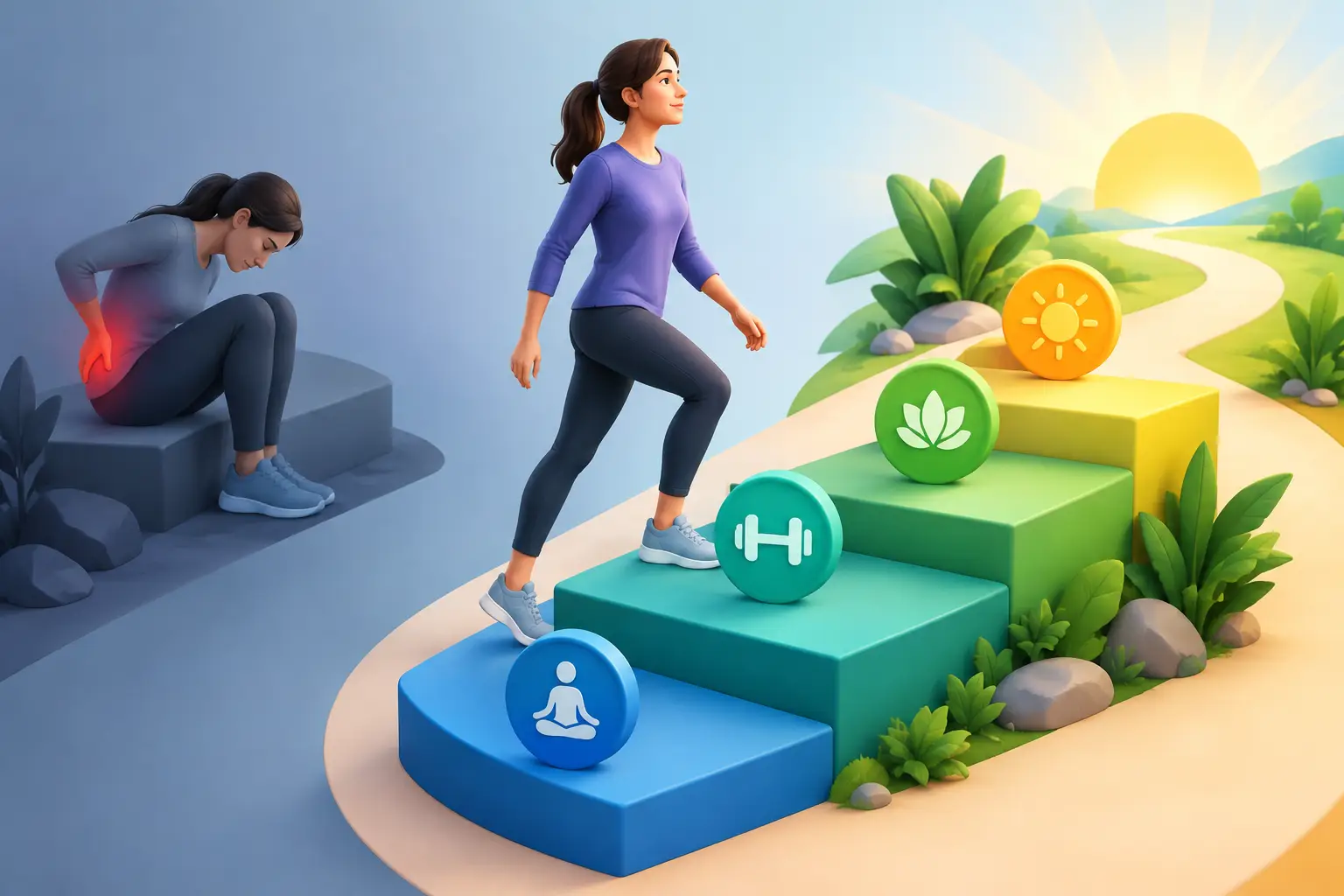
This guide to chronic pain recovery explains how assessment, gradual movement, and strength can help active adults build confidence and capacity over time.
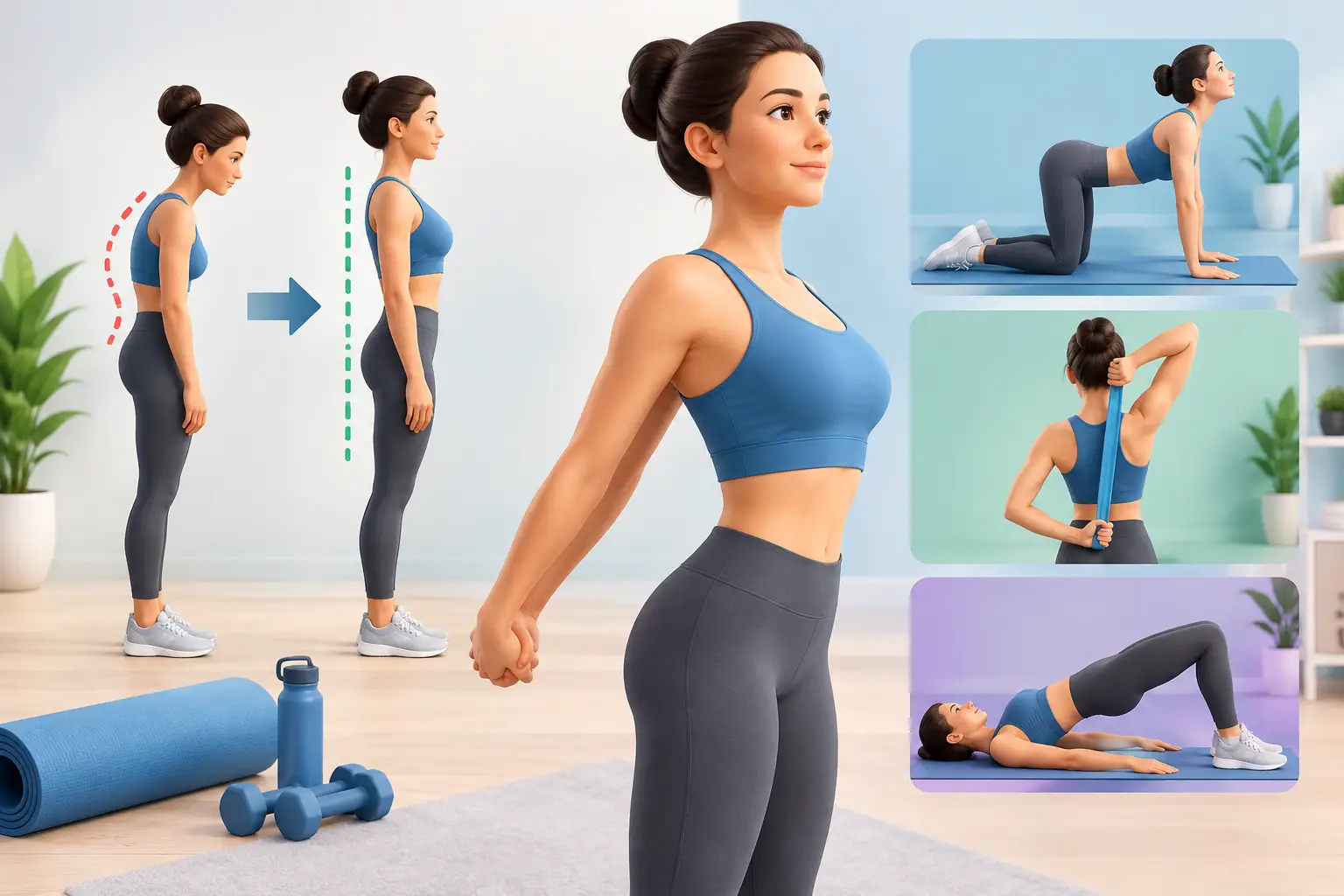
Posture correction exercises can build mobility, strength, and control. Learn a practical approach for active adults who want to move better every day.
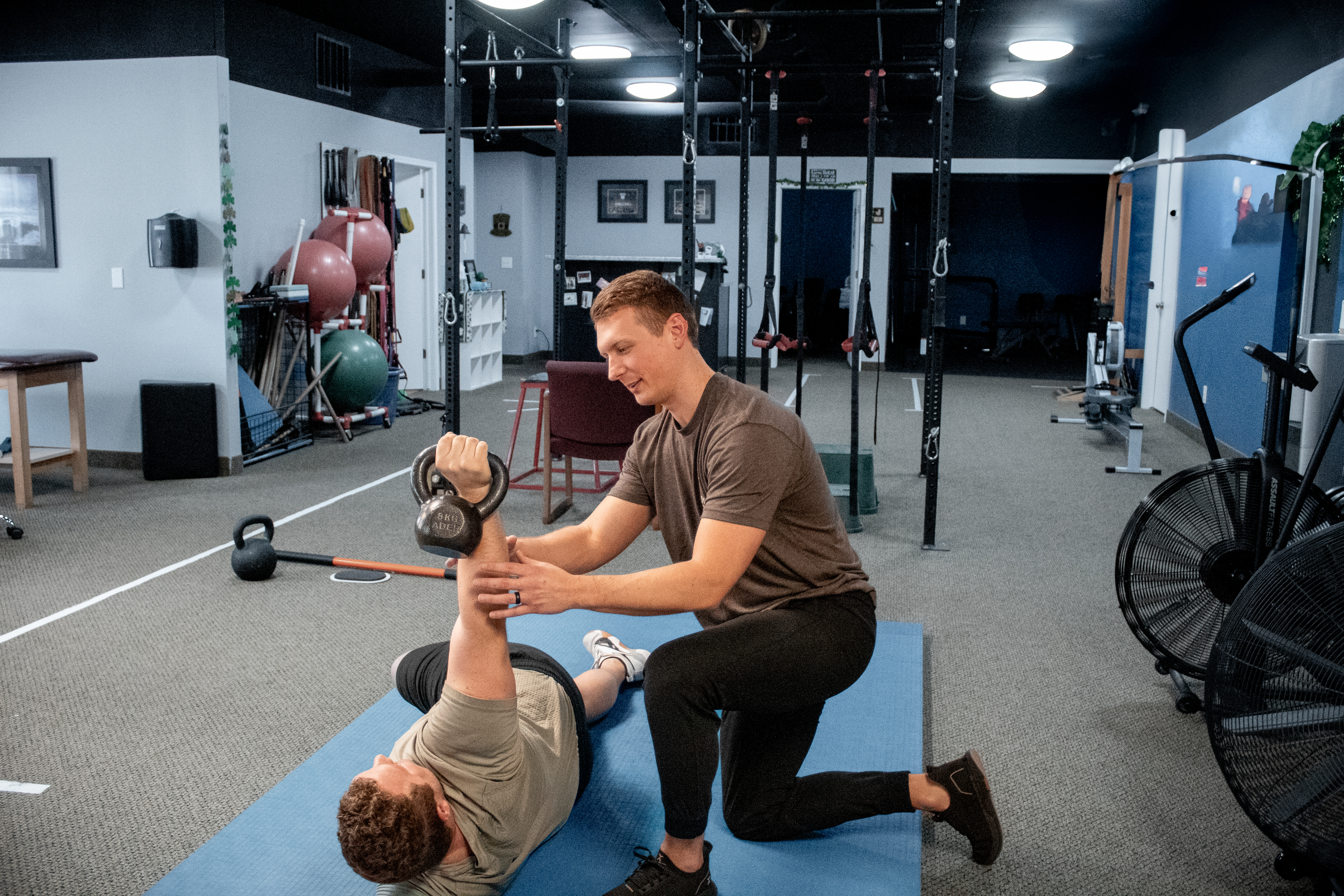
Learn how treatment, rehabilitation, and strength training can work together to help with pain, injuries, recovery, and staying active.
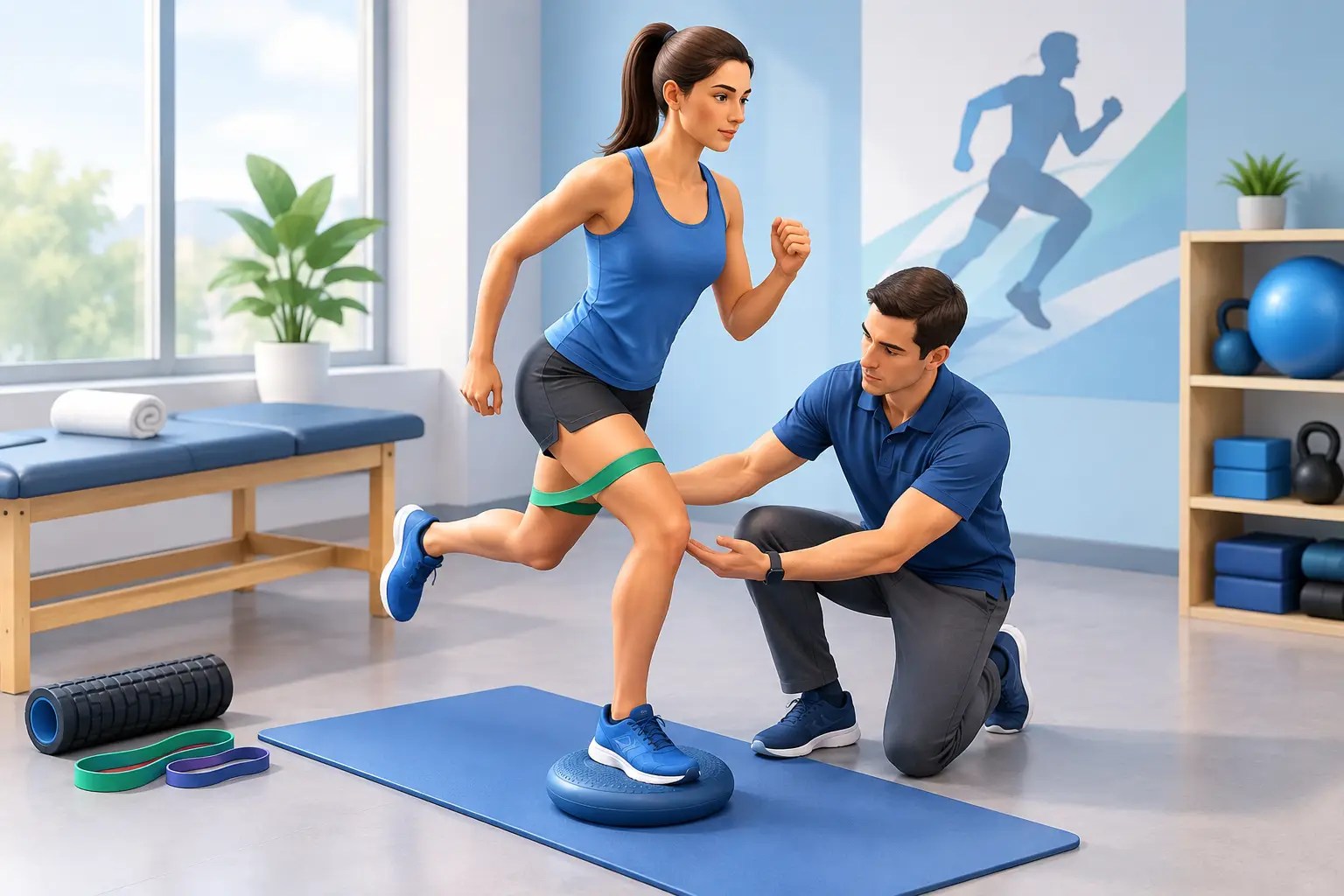
Runner sports rehabilitation uses movement assessment, mobility, strength, and gradual loading to help active adults return to running with confidence.
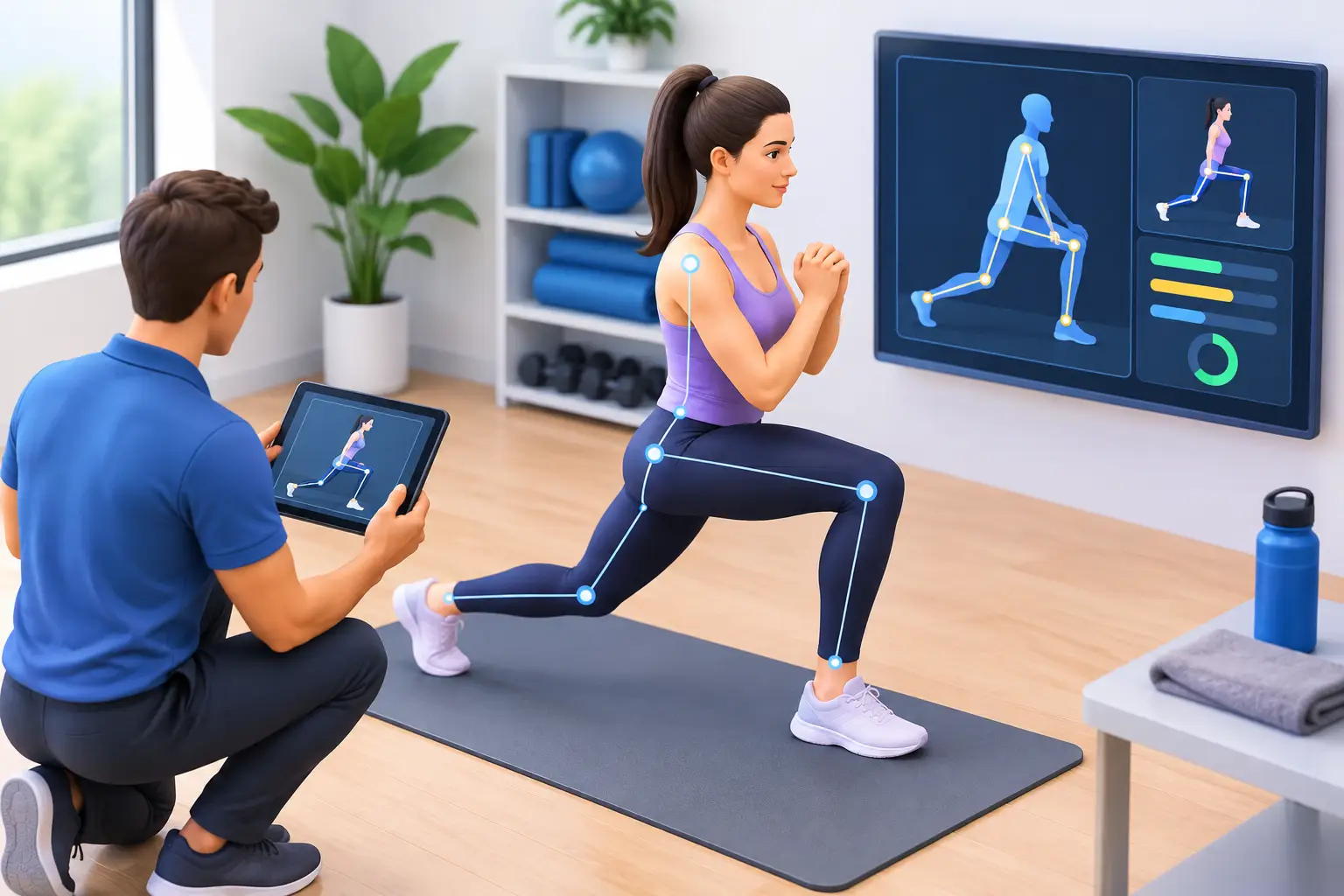
See how a movement age assessment measures mobility, stability, strength, and movement quality, then turns results into a clear action plan for life.
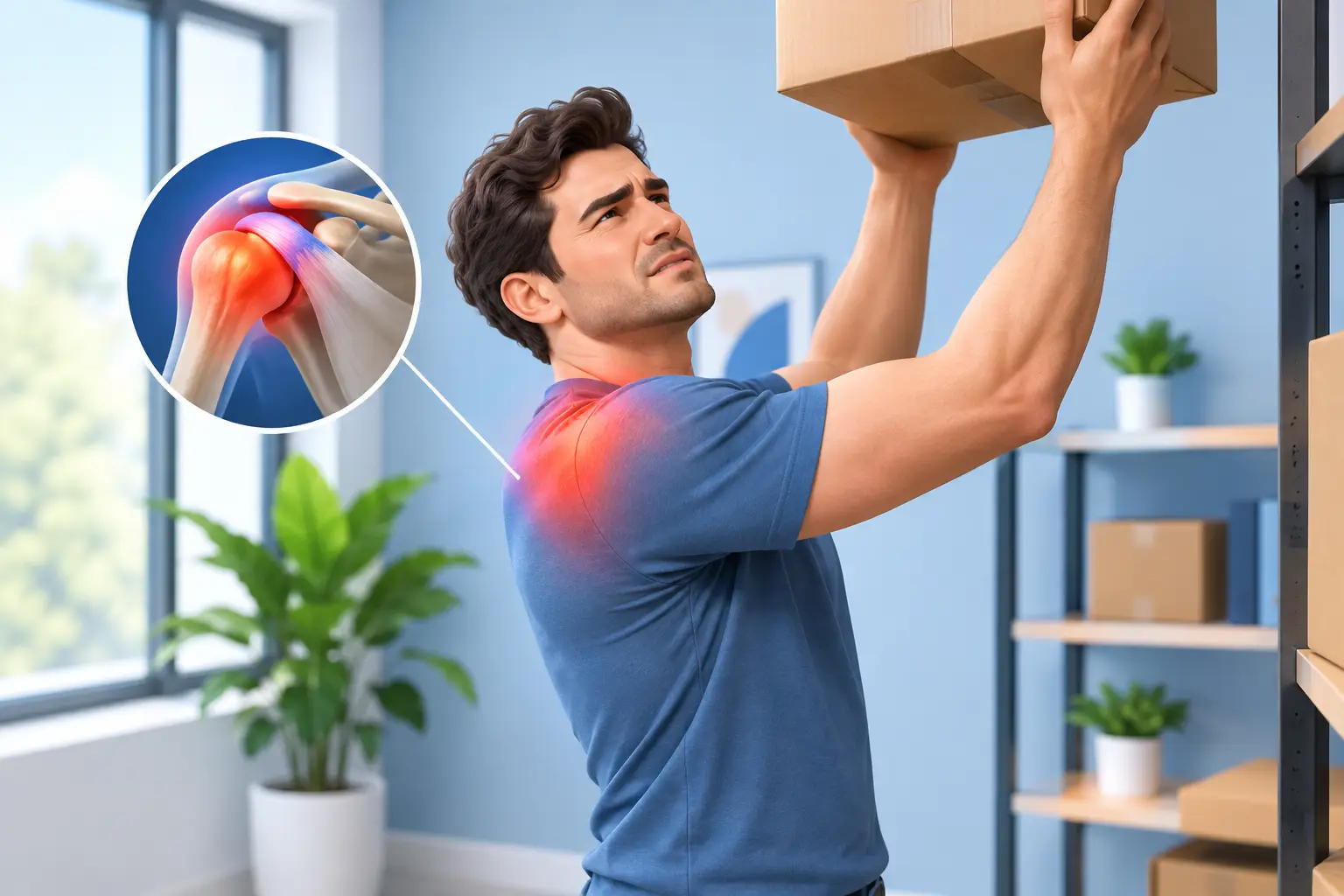
Shoulder pain with overhead lifting can limit training and daily life. Learn what may contribute, what to change, and when to get assessed before resuming overhead lifts.
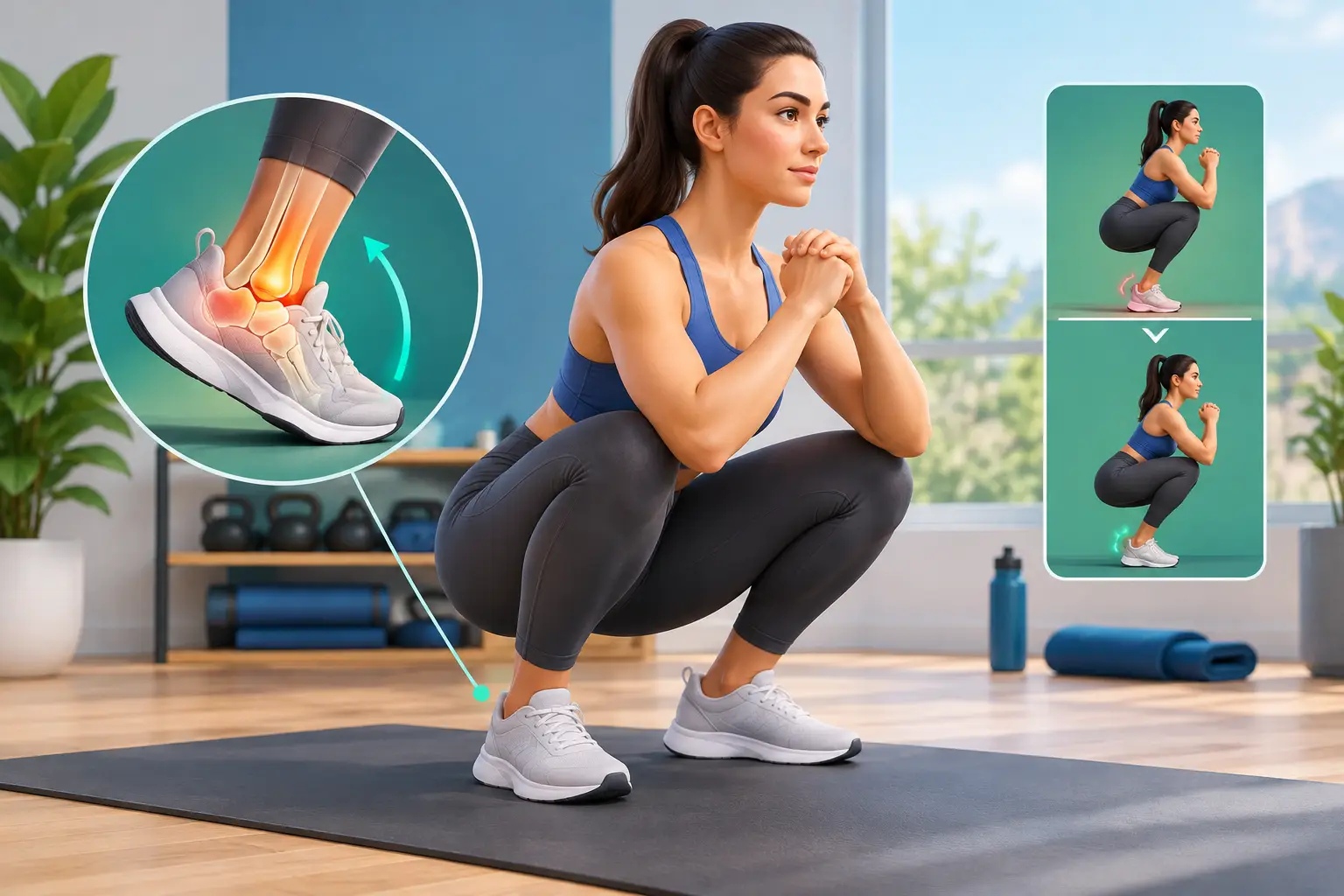
Improve ankle mobility for deeper squats with simple tests, targeted drills, and strength work that helps active adults move with more control.

Learn what forward head posture means and try a simple seated reset for your neck, shoulders, and pelvis with Dr. Mitch Israel at SYMYO in Farmington Hills.
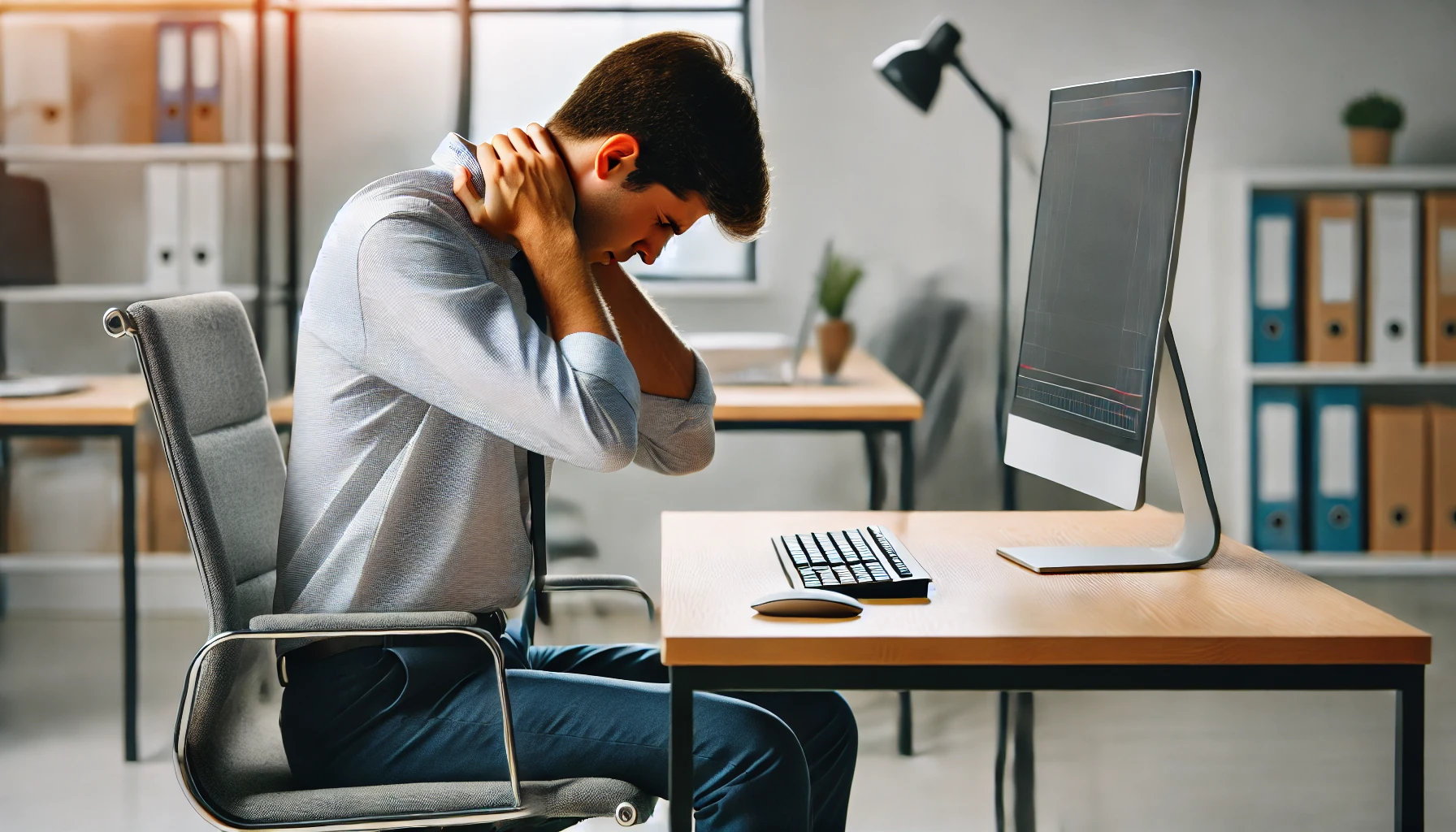
Learn what may contribute to upper trap discomfort and try gentle neck movement and shoulder stability exercises with Dr. Mitch Israel in Farmington Hills.
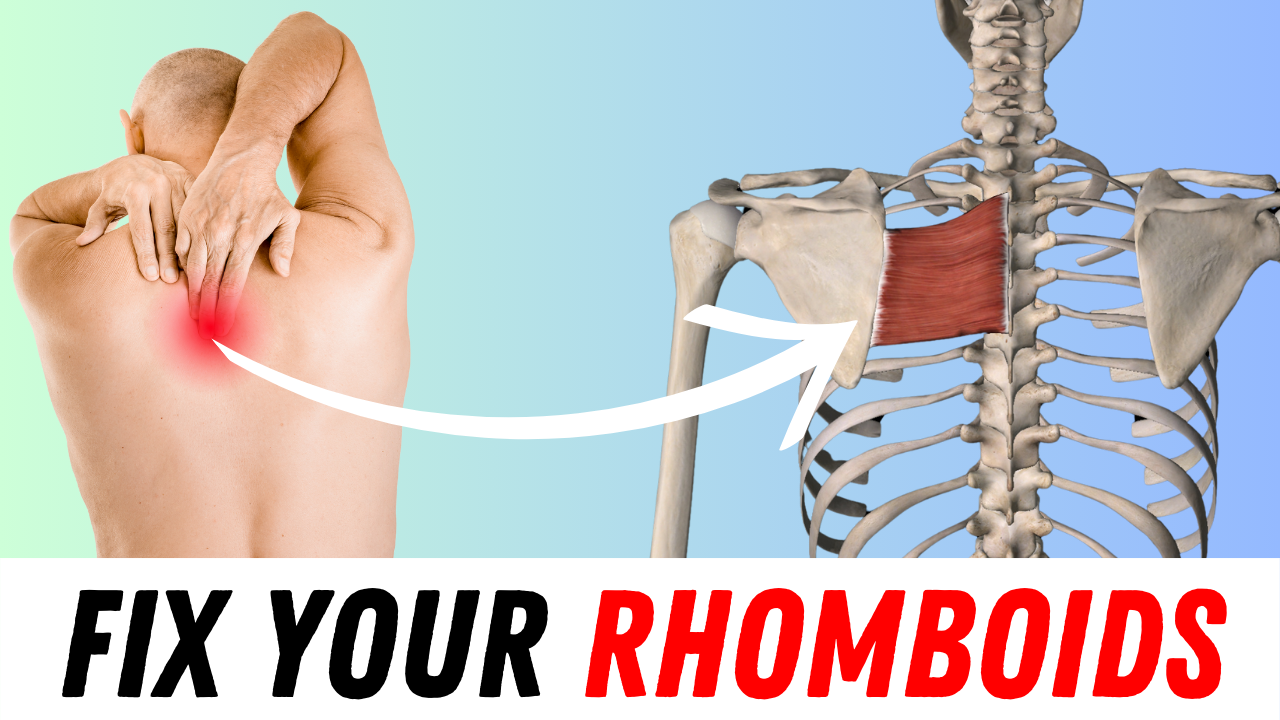
Learn what the rhomboid muscles do and try three options for upper-back tension, mobility, and strength with Dr. Mitch Israel’s video.
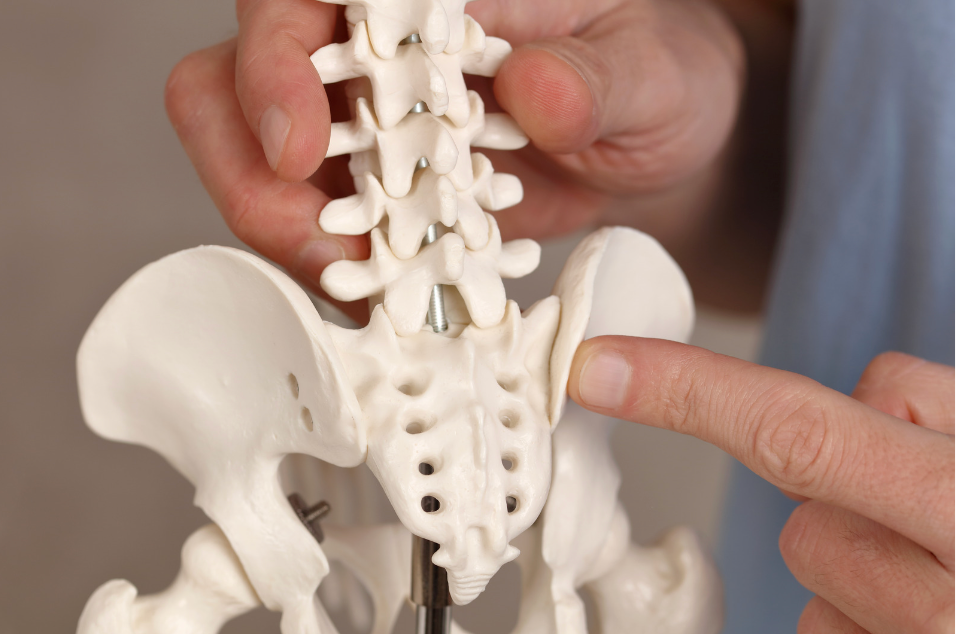
Learn where the sacroiliac joints are, why low-back pain can have many causes, and try gentle movement and strength options with Dr. Mitch Israel’s video.
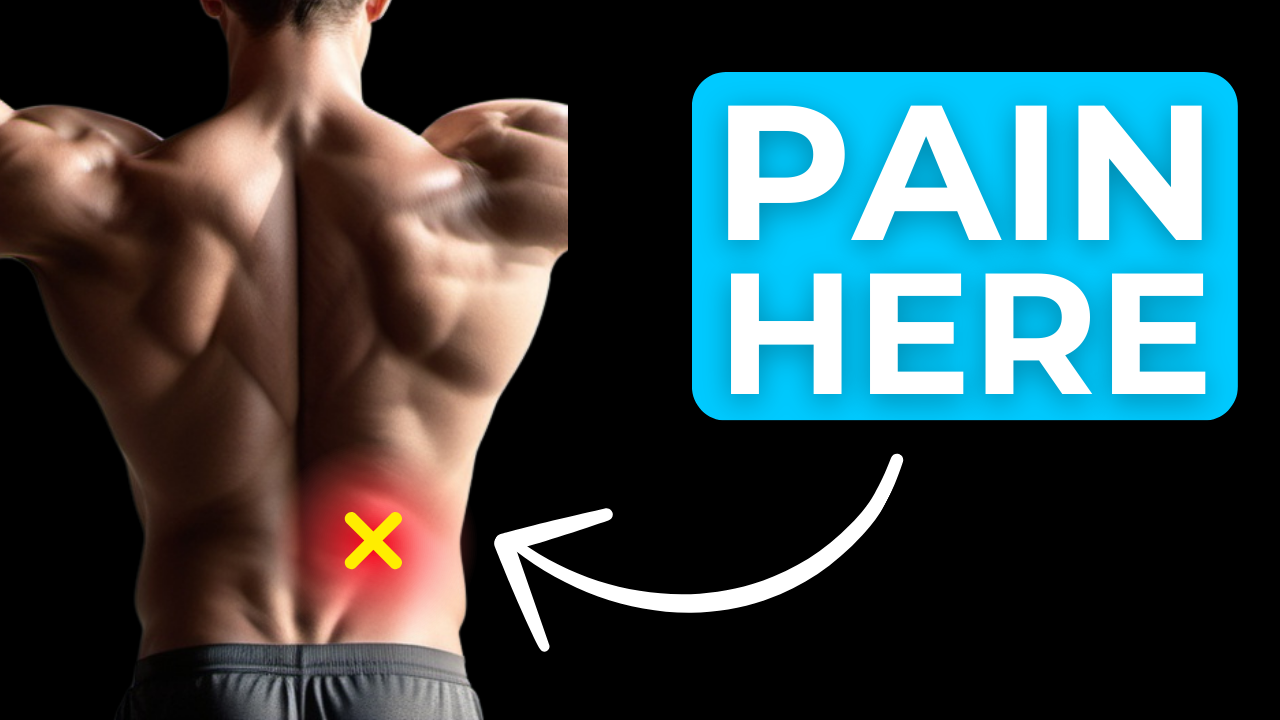
Learn where the QL sits and try gentle movement and strength options for a tight feeling along your lower back with Dr. Mitch Israel’s original video.
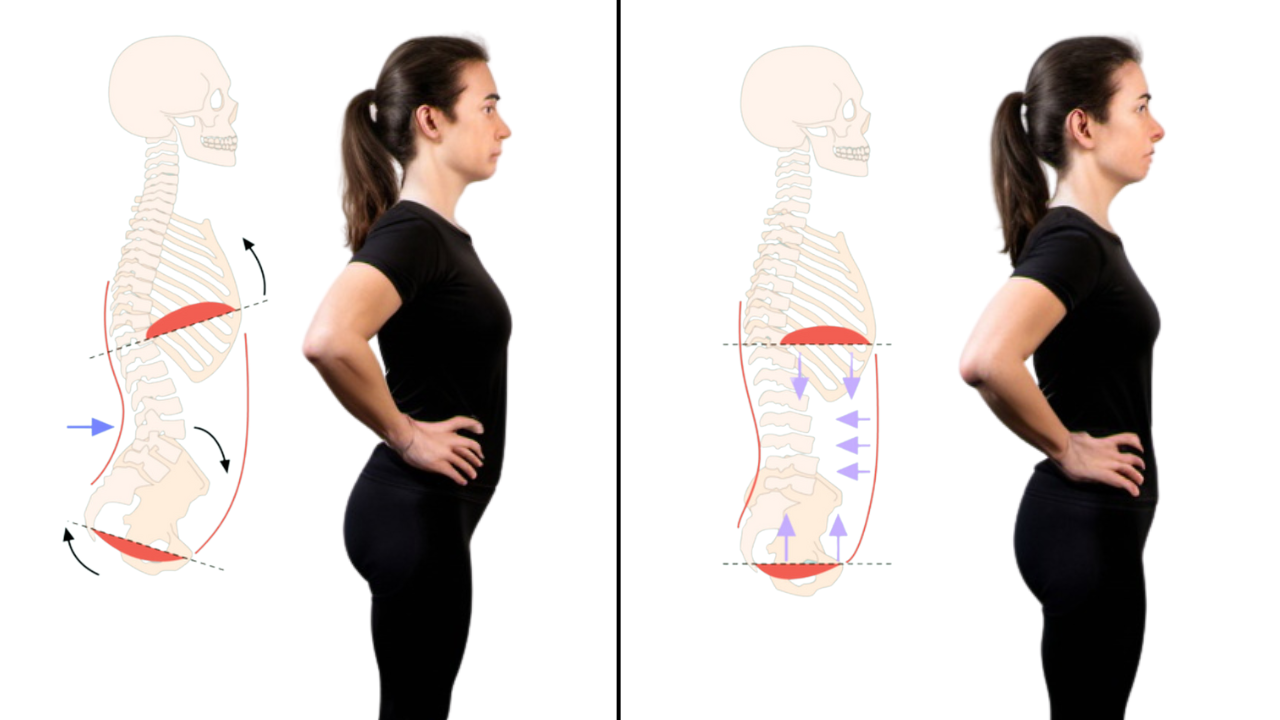
Learn what anterior pelvic tilt means, whether it needs fixing, and how to build comfortable hip movement and strength with Dr. Mitch Israel’s video.
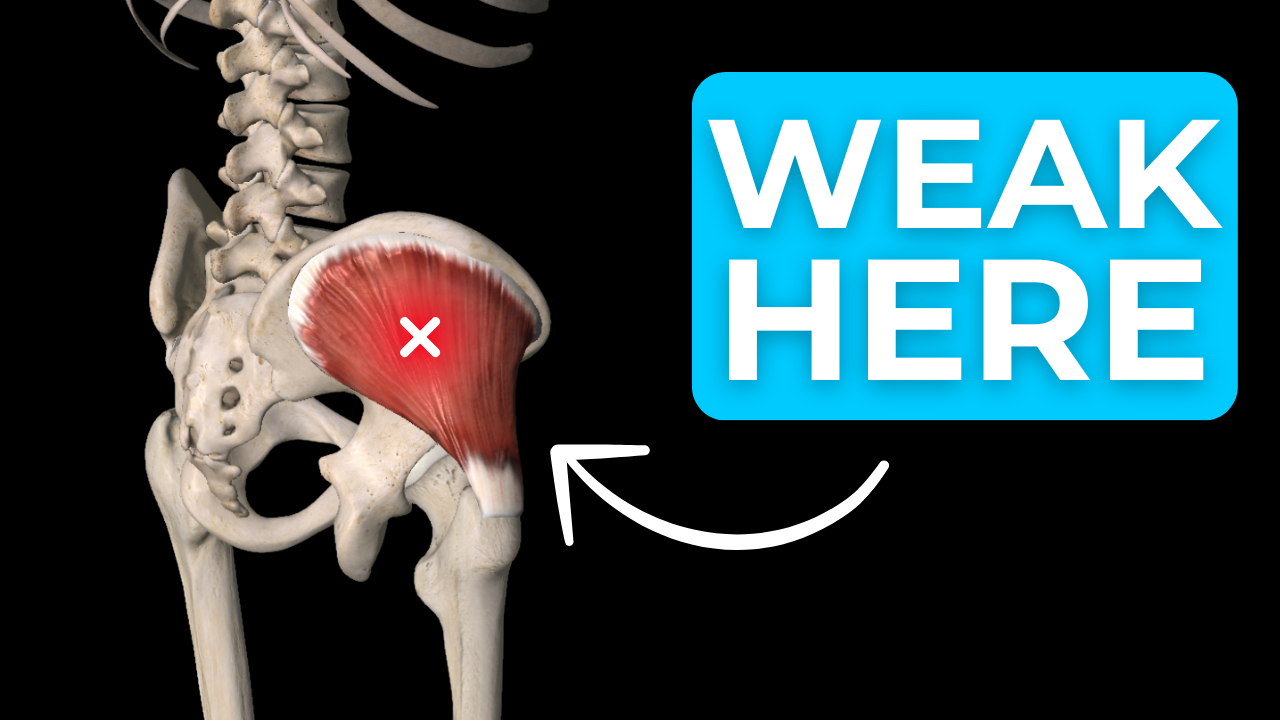
Watch Dr. Mitch Israel’s glute medius exercise video and learn how to approach outer-hip pain, hip mobility, and strength with Reduce, Restore, Reinforce.
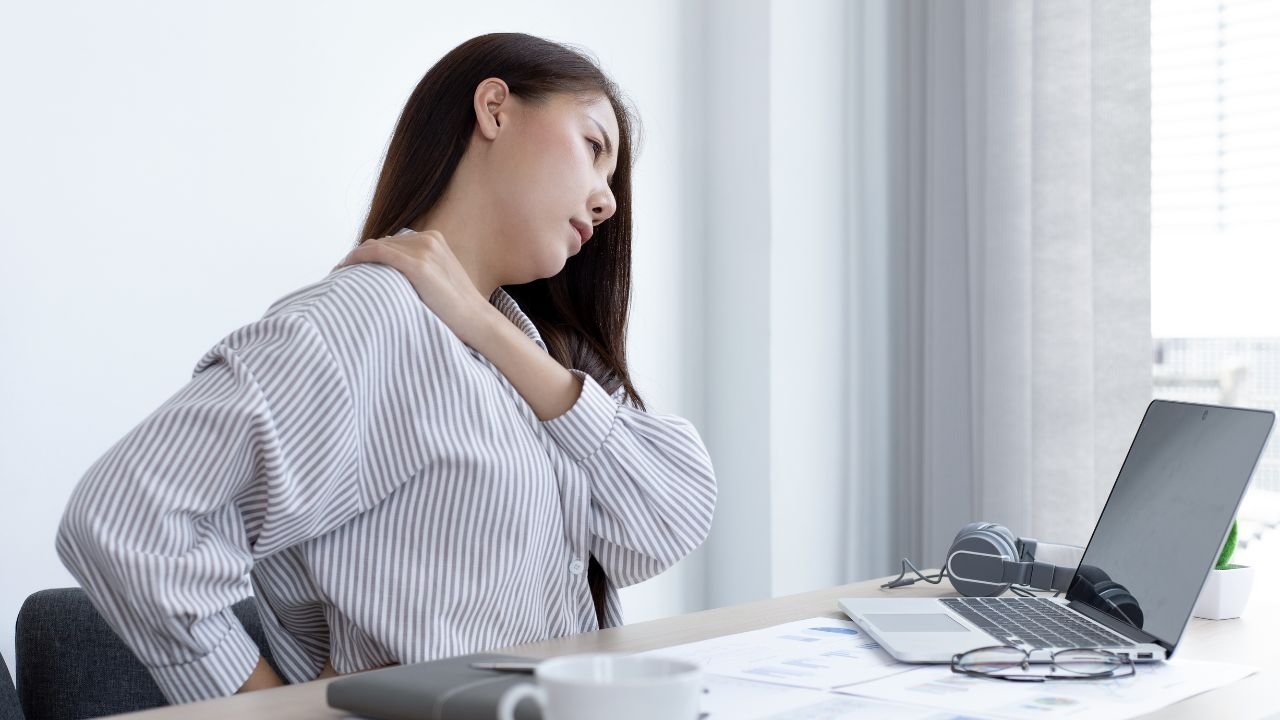
Follow Dr. Mitch Israel’s video for a gentle stretch, an active stretch, and controlled neck movement—and learn when recurring tightness needs an assessment.
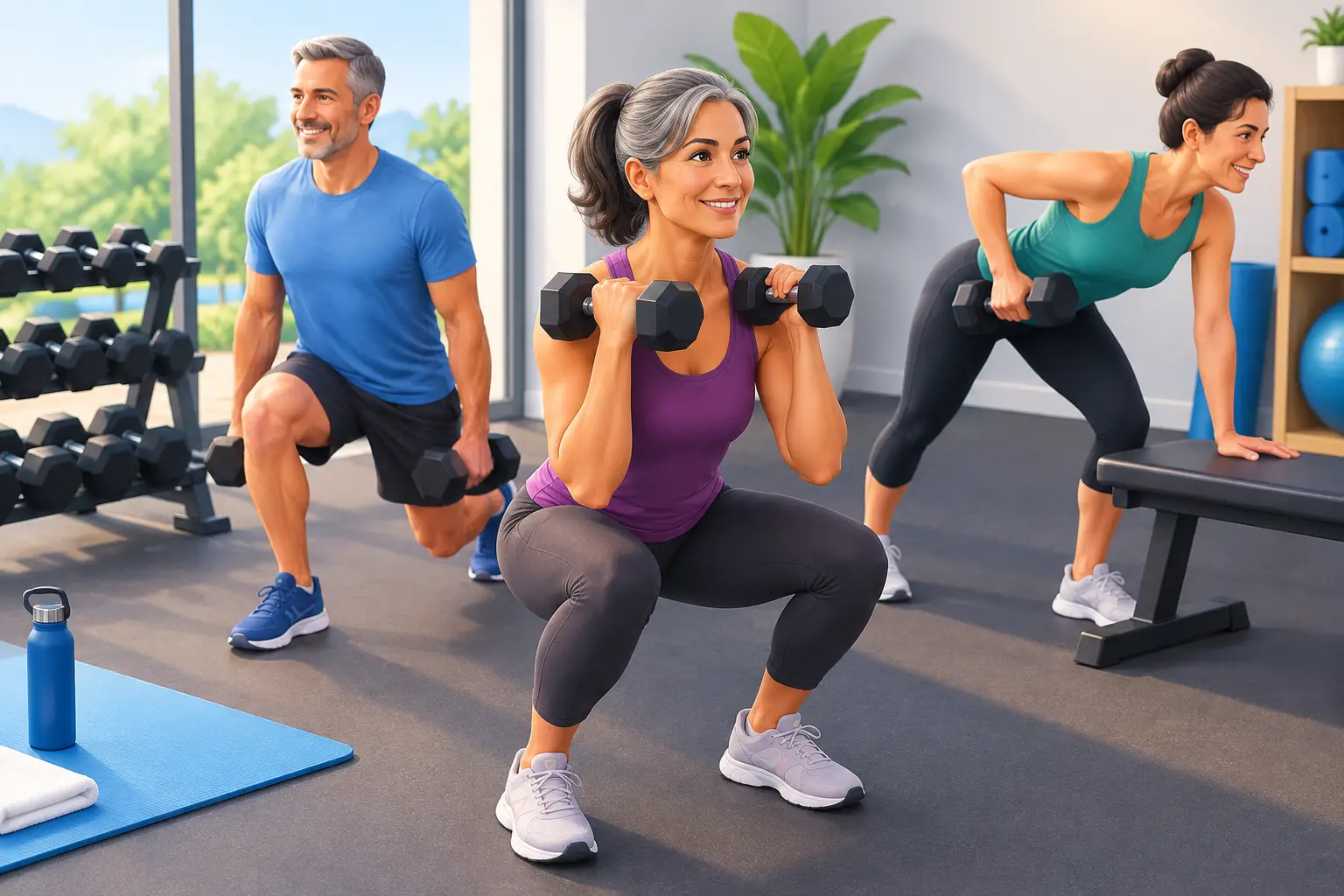
Strength training for active adults builds the mobility, stability, and capacity to keep exercising, playing sports, and moving with confidence longer.
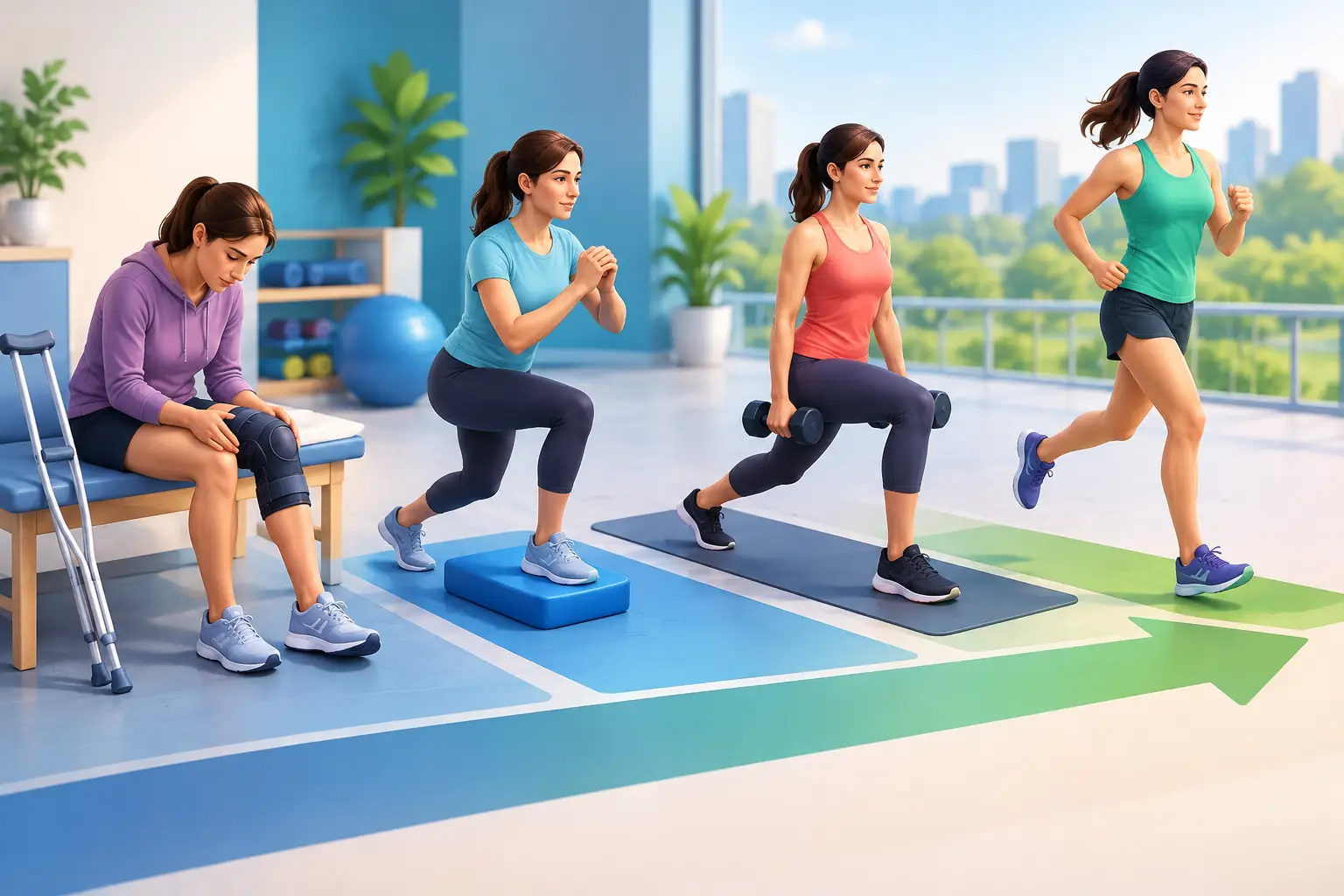
A practical plan for a confident return to exercise after injury, using pain signals, progressive loading, and clear measures of readiness for training.
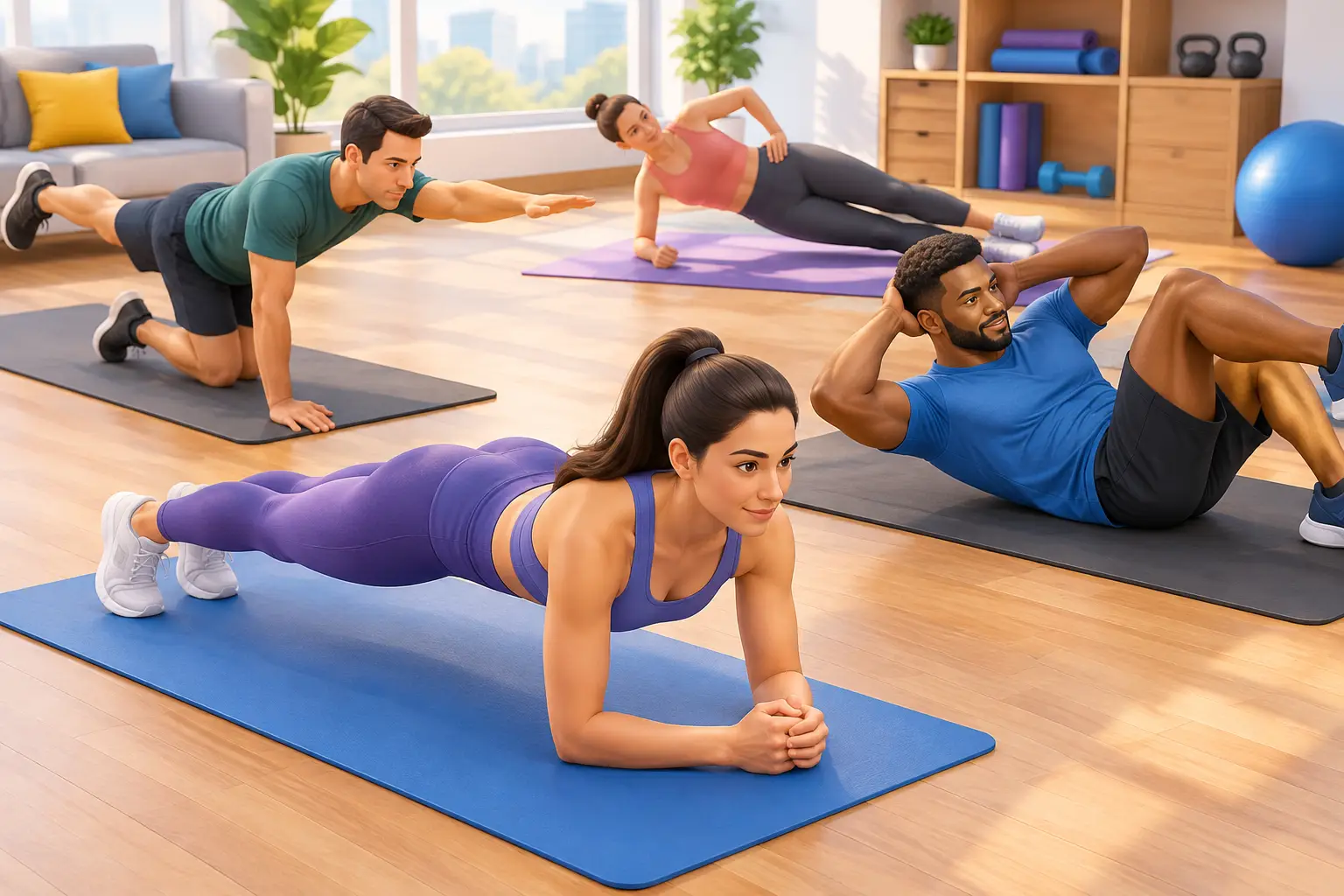
Learn how core stability exercises for adults can build a stronger, resilient body, reduce movement compensation, and support the activities you enjoy.
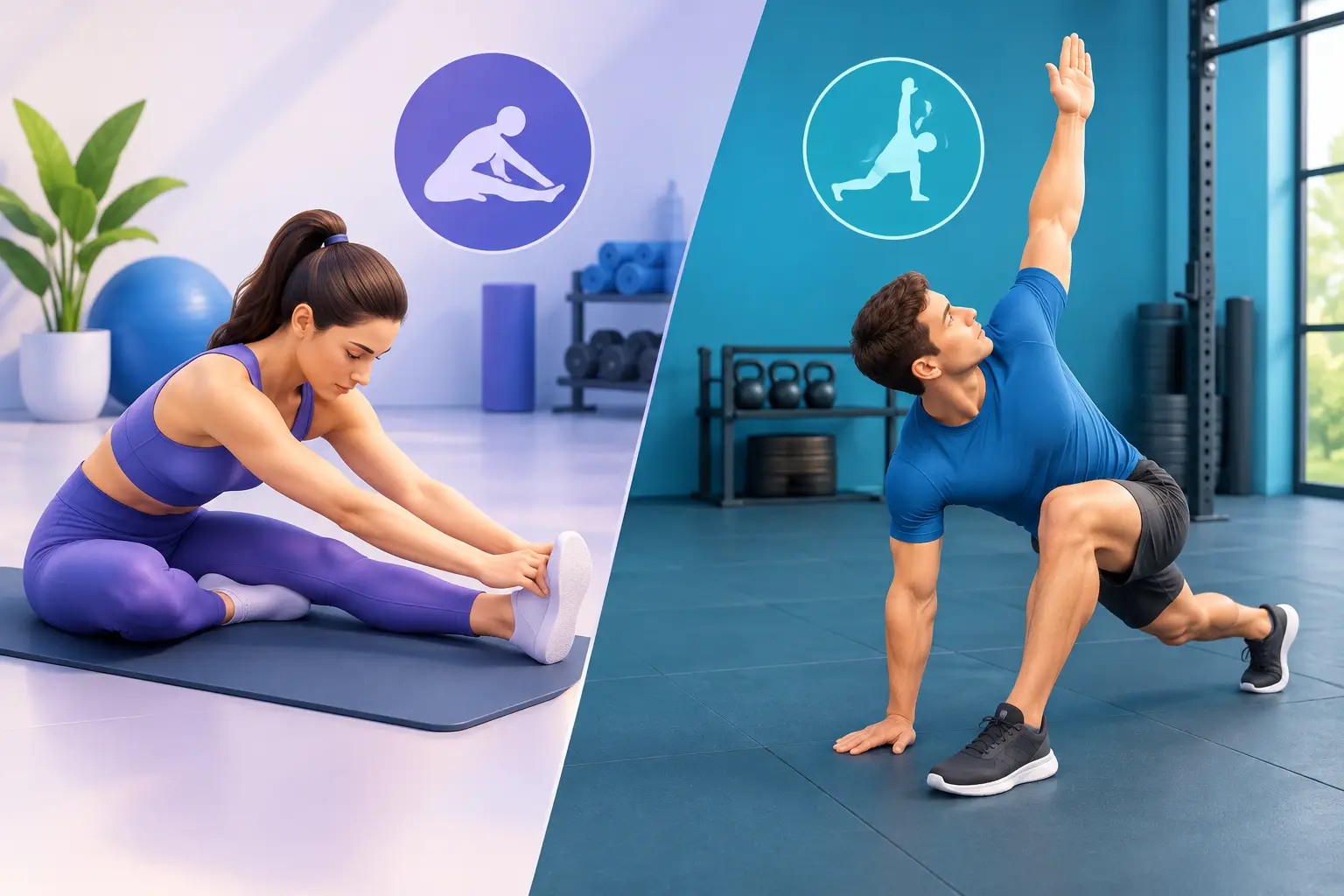
Learn how flexibility versus mobility for athletes affects strength, joint control, and return to activity, plus what to train first for better movement.
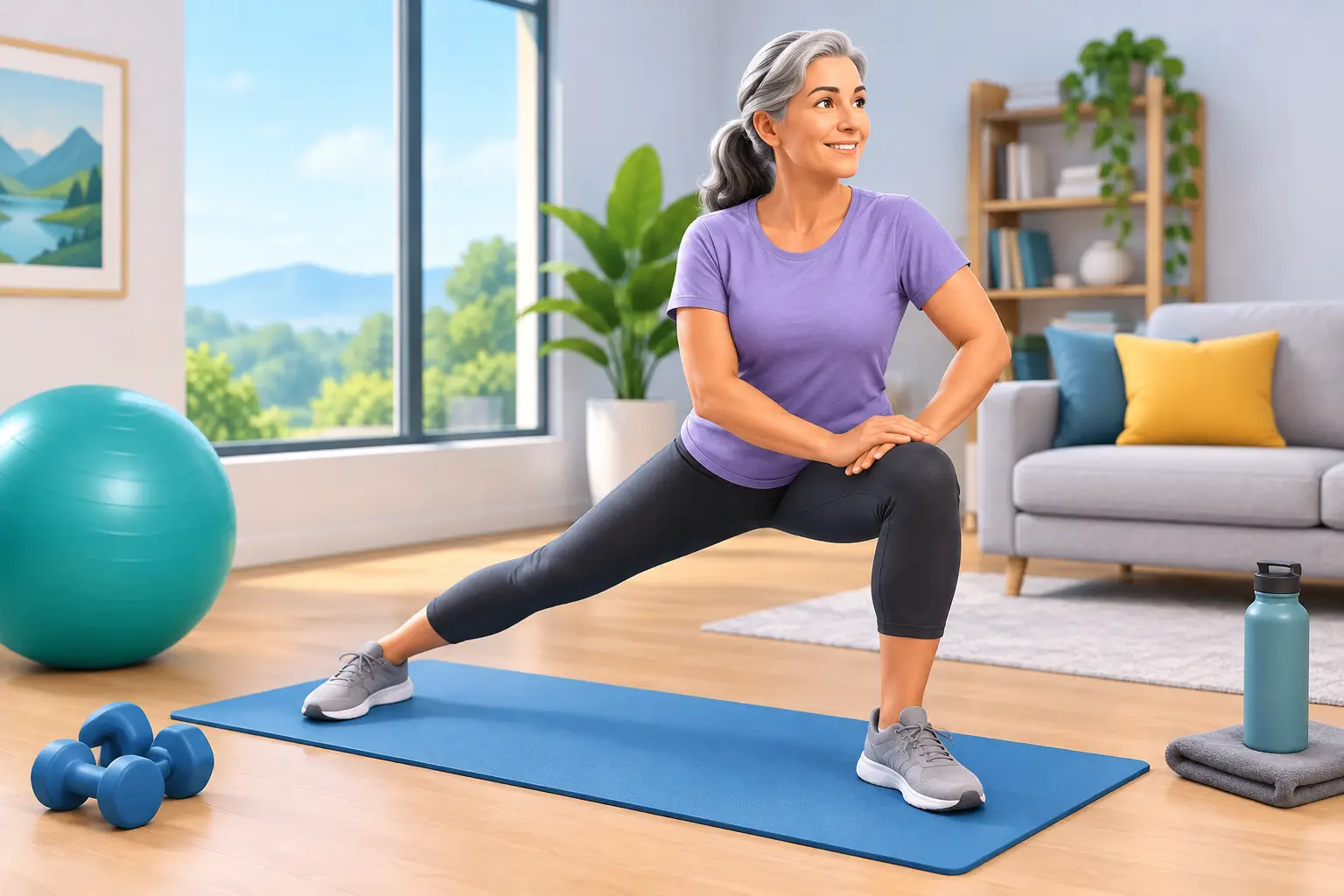
Learn how to improve mobility after 40 with clear steps that build range, stability, and strength for confident, active years ahead with fewer setbacks.
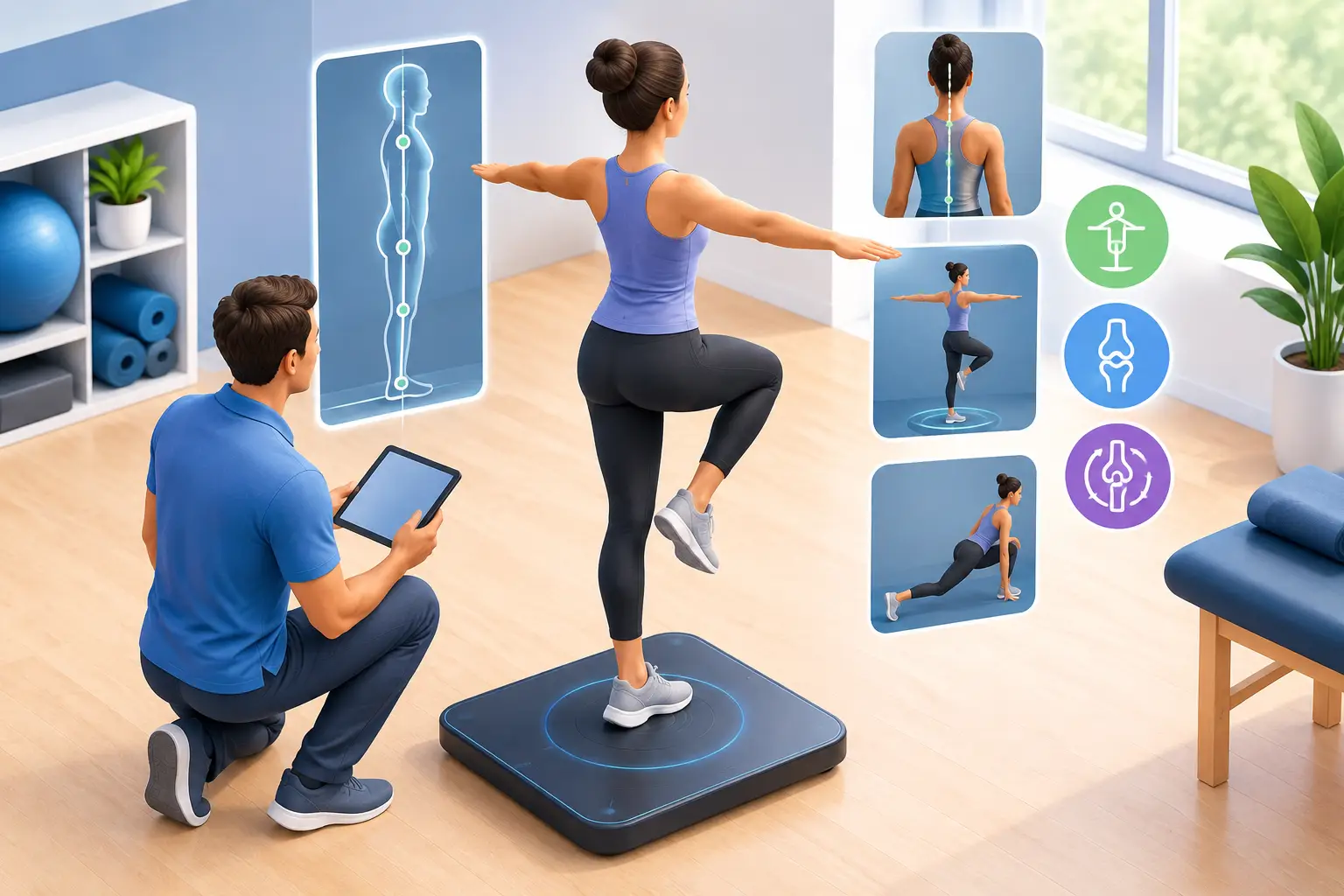
A posture balance mobility assessment measures how you move, where capacity is limited, and what to improve first to stay active with confidence over time.
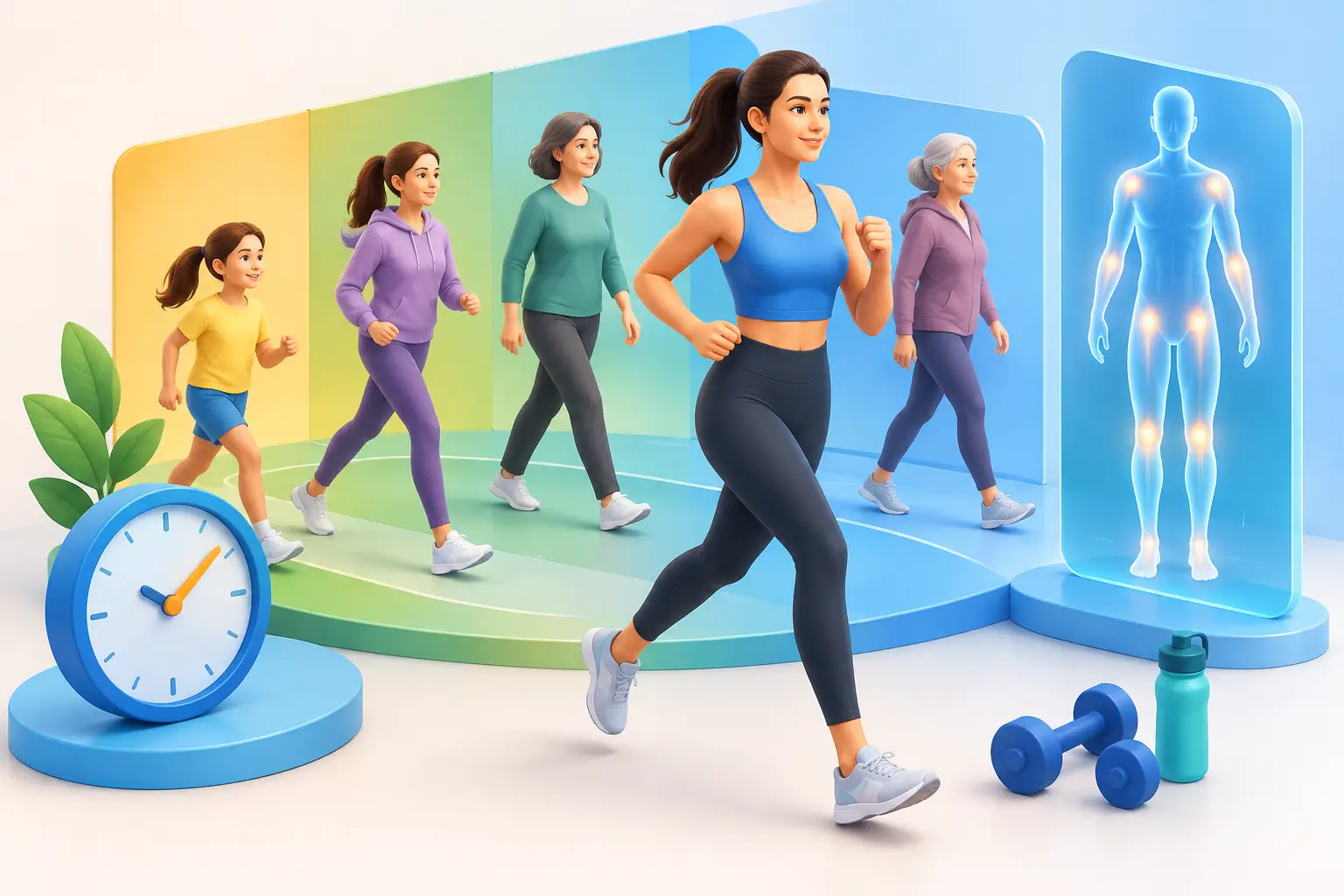
How old does your body move? Learn how mobility, strength, balance, and movement habits shape your Movement Age and what to improve first for active years.
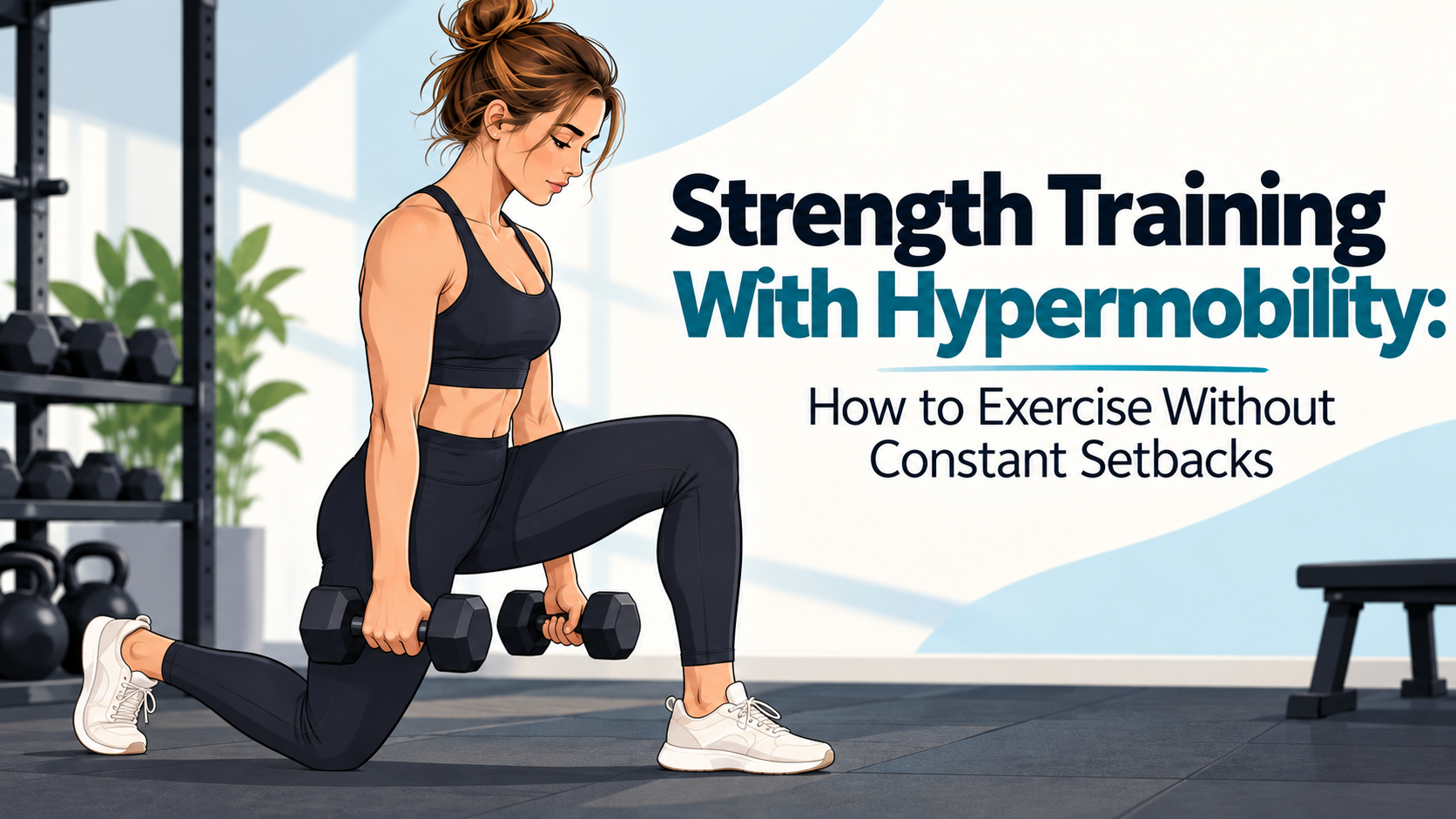
Learn how to use controlled range, stability work, slower tempo, and gradual progression when strength training with hypermobility.
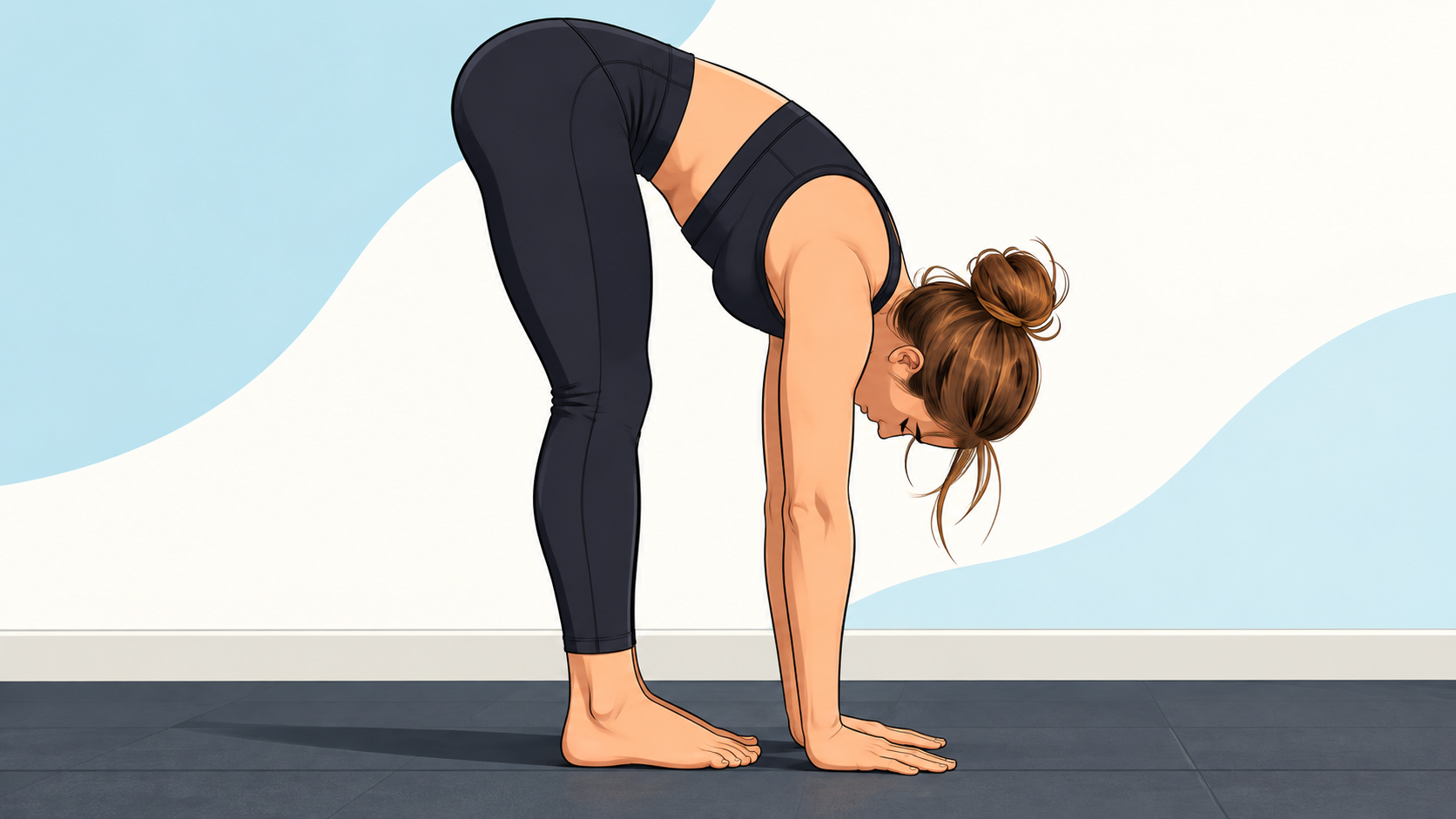
Learn what joint hypermobility means, how the 9-point Beighton Score works, and when extra mobility may need more stability and strength.
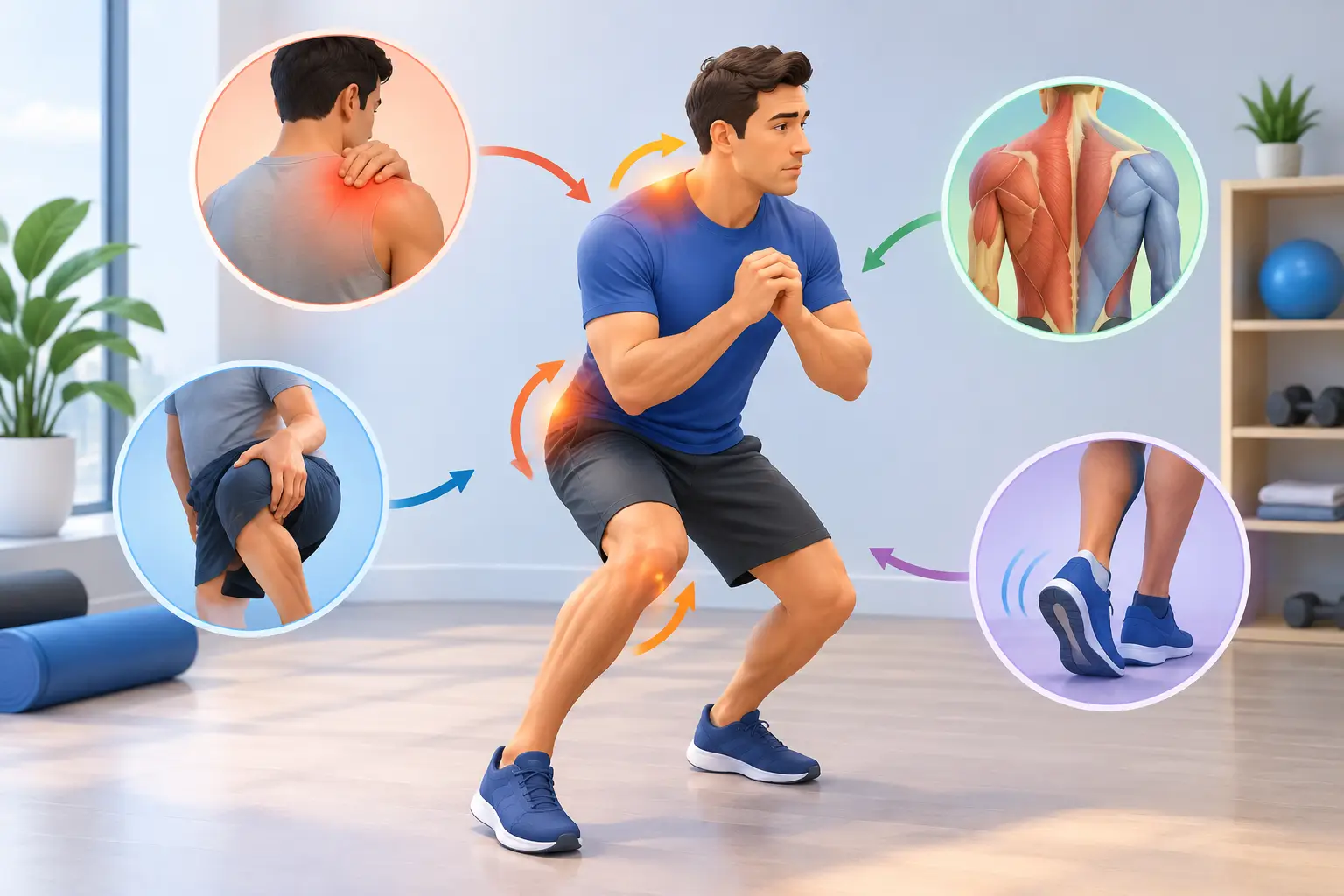
What causes movement compensations? Learn how pain, mobility limits, weakness, and habits change movement - and how clear assessment guides a fix for good.
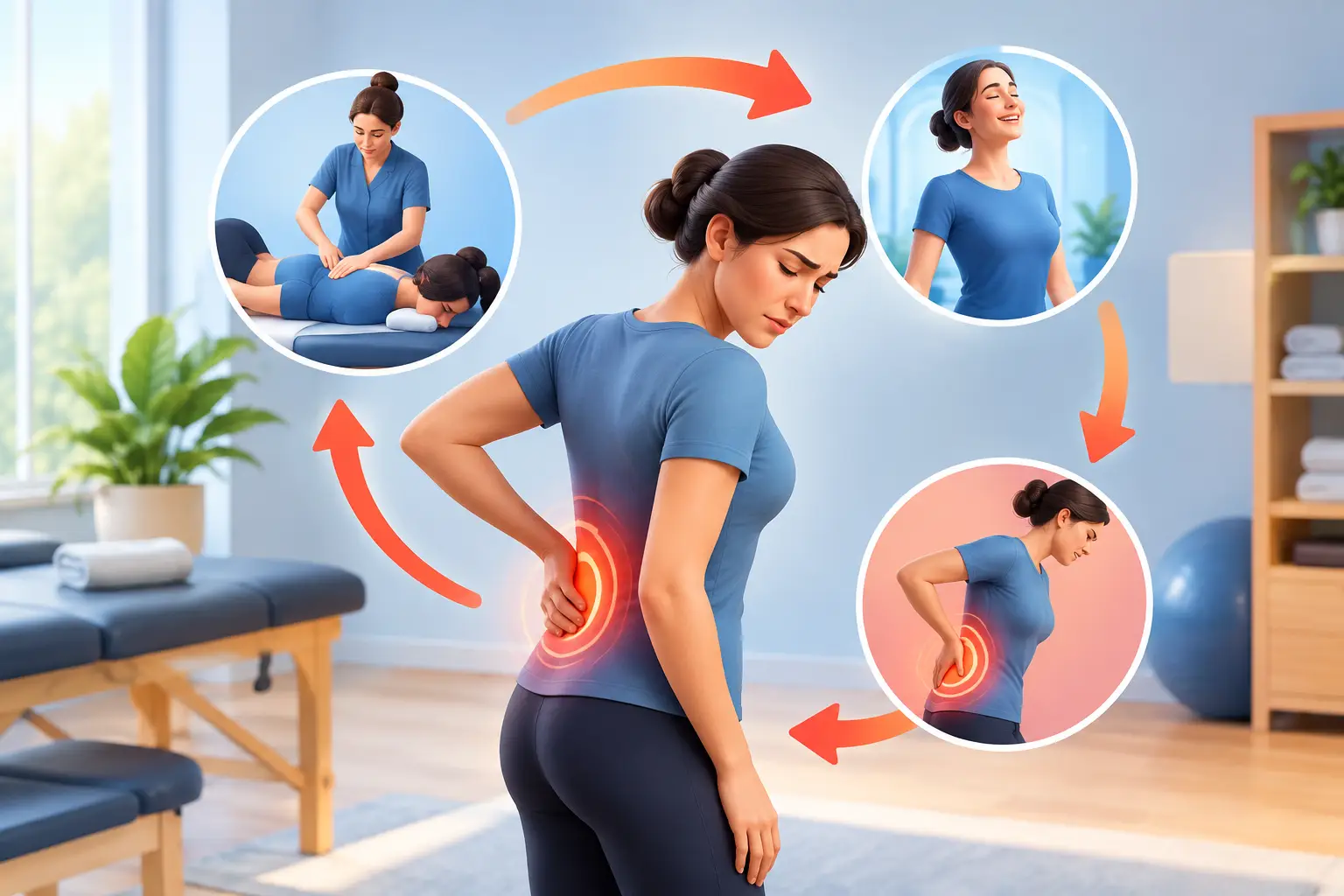
Why does pain keep returning? Learn how movement compensation, capacity, and incomplete recovery can keep symptoms cycling - and what to assess first.
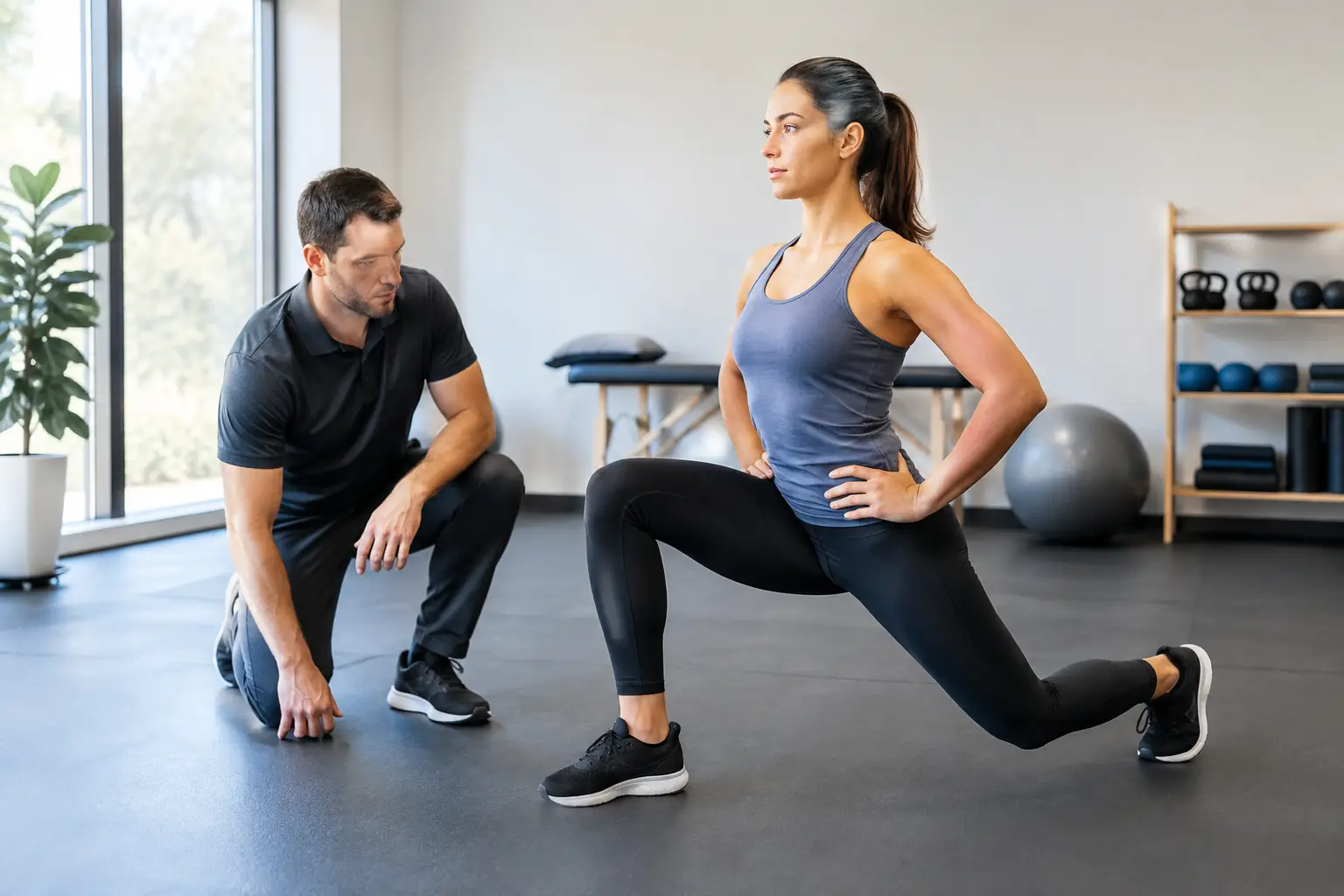
Get a whole body movement assessment in Farmington Hills to measure mobility, strength, balance, and movement patterns, then know what to work on first.
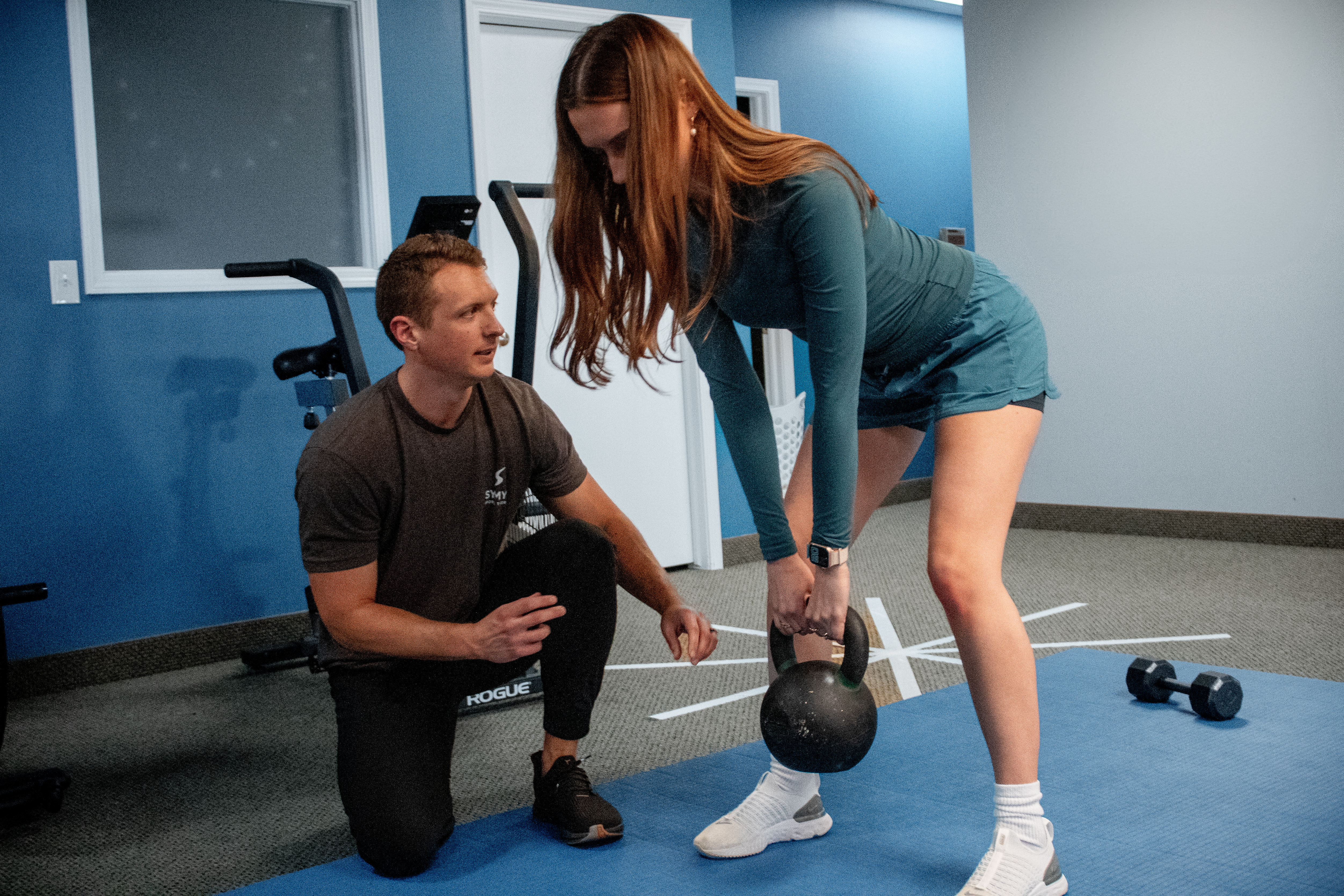
Learn how mobility, stability, and strength work together—and why the right balance should be based on what your body actually needs.
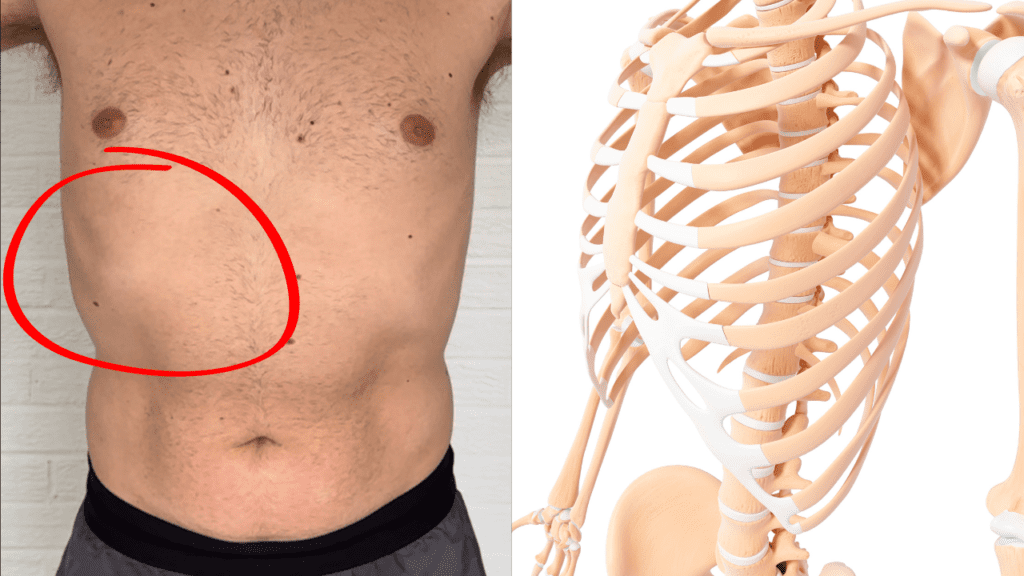
Learn what may contribute to rib flare and a simple Reduce, Restore, Reinforce approach for rib-cage control and posture.
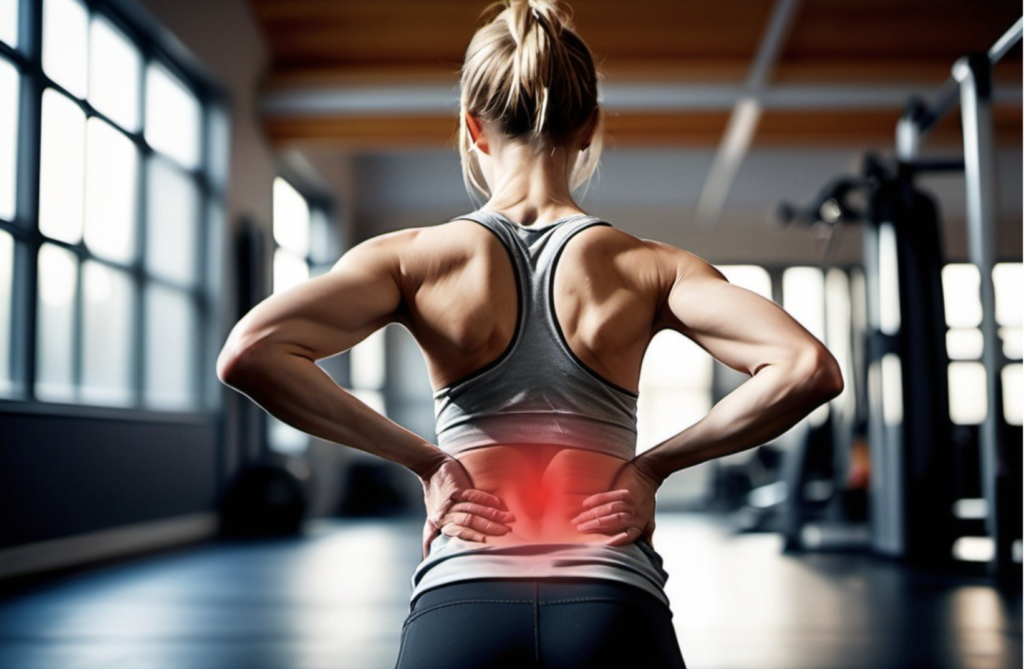
Learn what can contribute to thoracolumbar fascia pain and a simple Reduce, Restore, Reinforce approach for lower-back mobility.
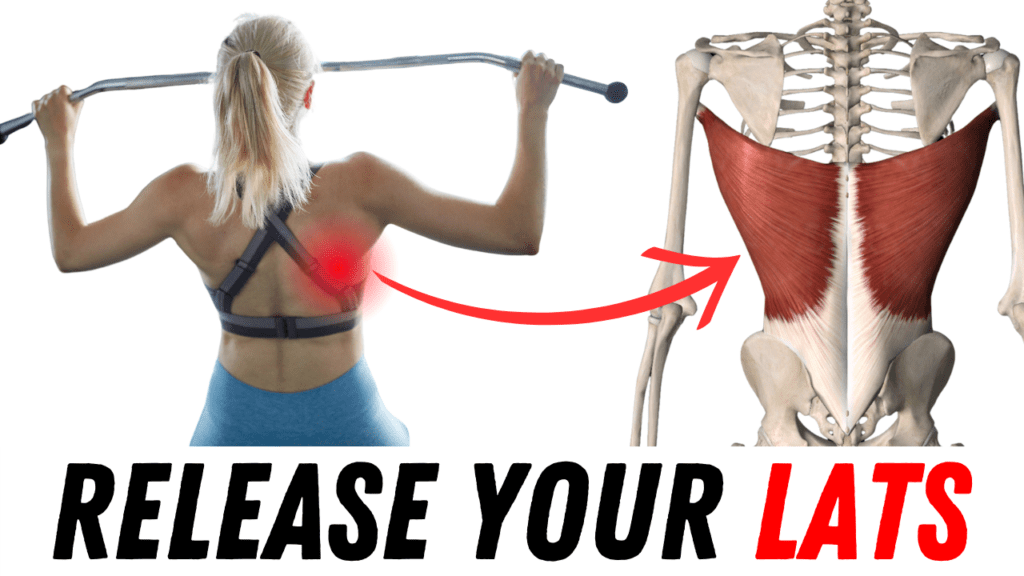
Learn how tight lats can affect overhead shoulder movement and lower back comfort, plus a simple three-step approach.
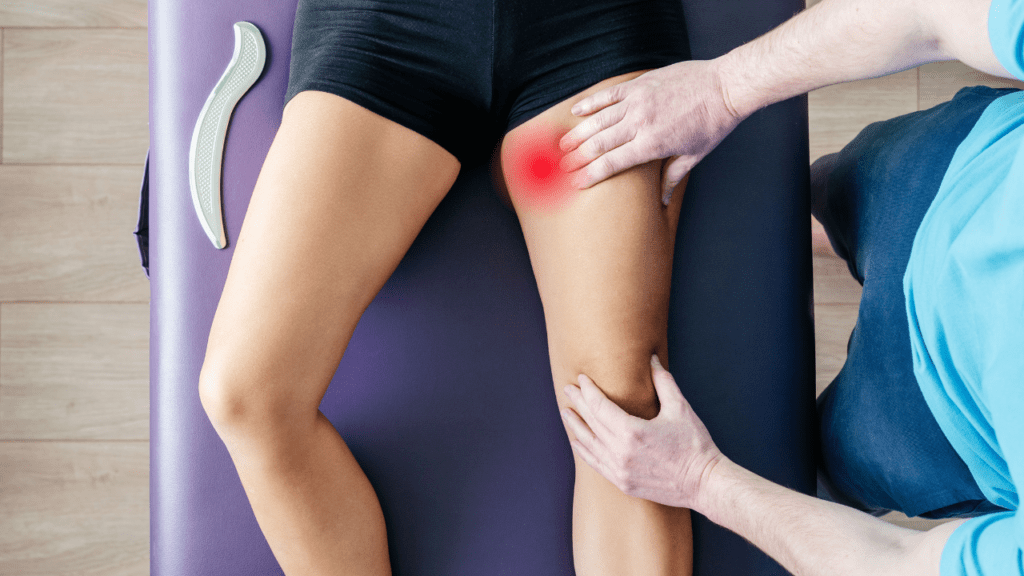
Learn a three-step Reduce, Restore, Reinforce approach for tight groin and adductor muscles—and when recurring tightness needs a closer look.
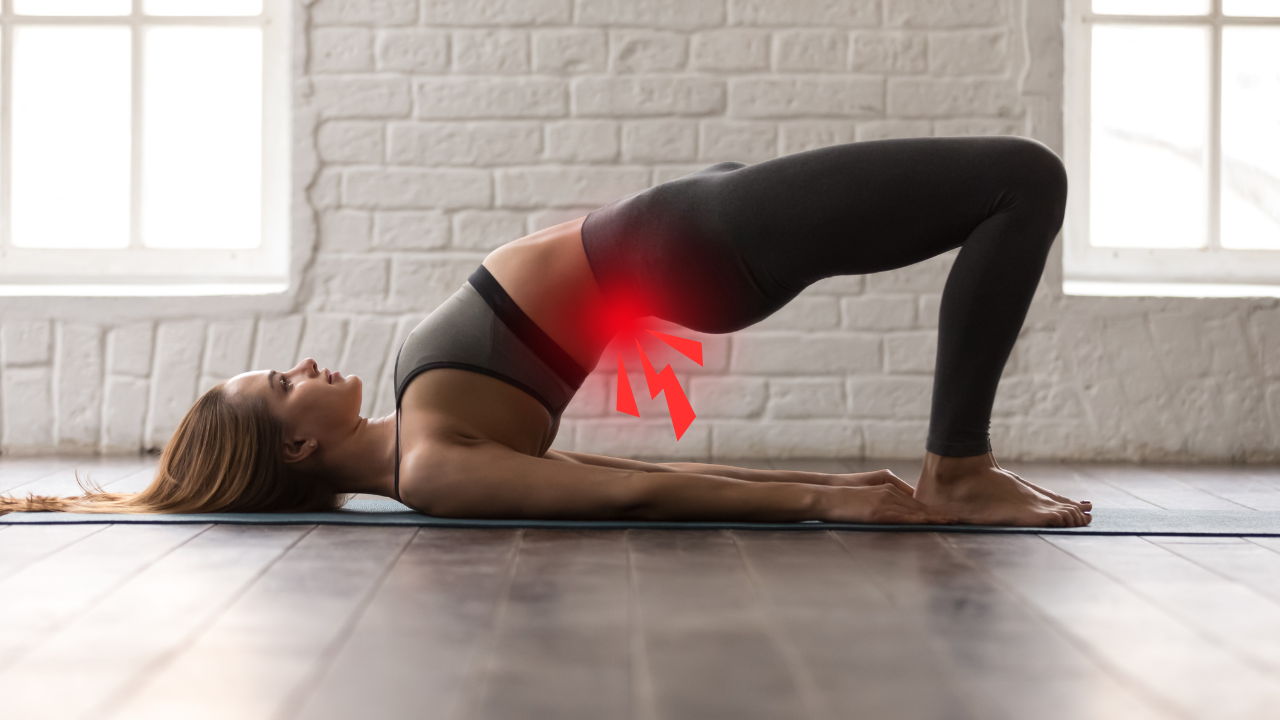
Feel glute bridges in your lower back instead of your glutes? Learn two form adjustments, when to stop, and when a movement assessment may help.
Recovery slows down after 40 — but pain and performance decline aren’t inevitable. Learn the four pillars active professionals in Metro Detroit use to stay strong, mobile, and pain-free without slowing down.
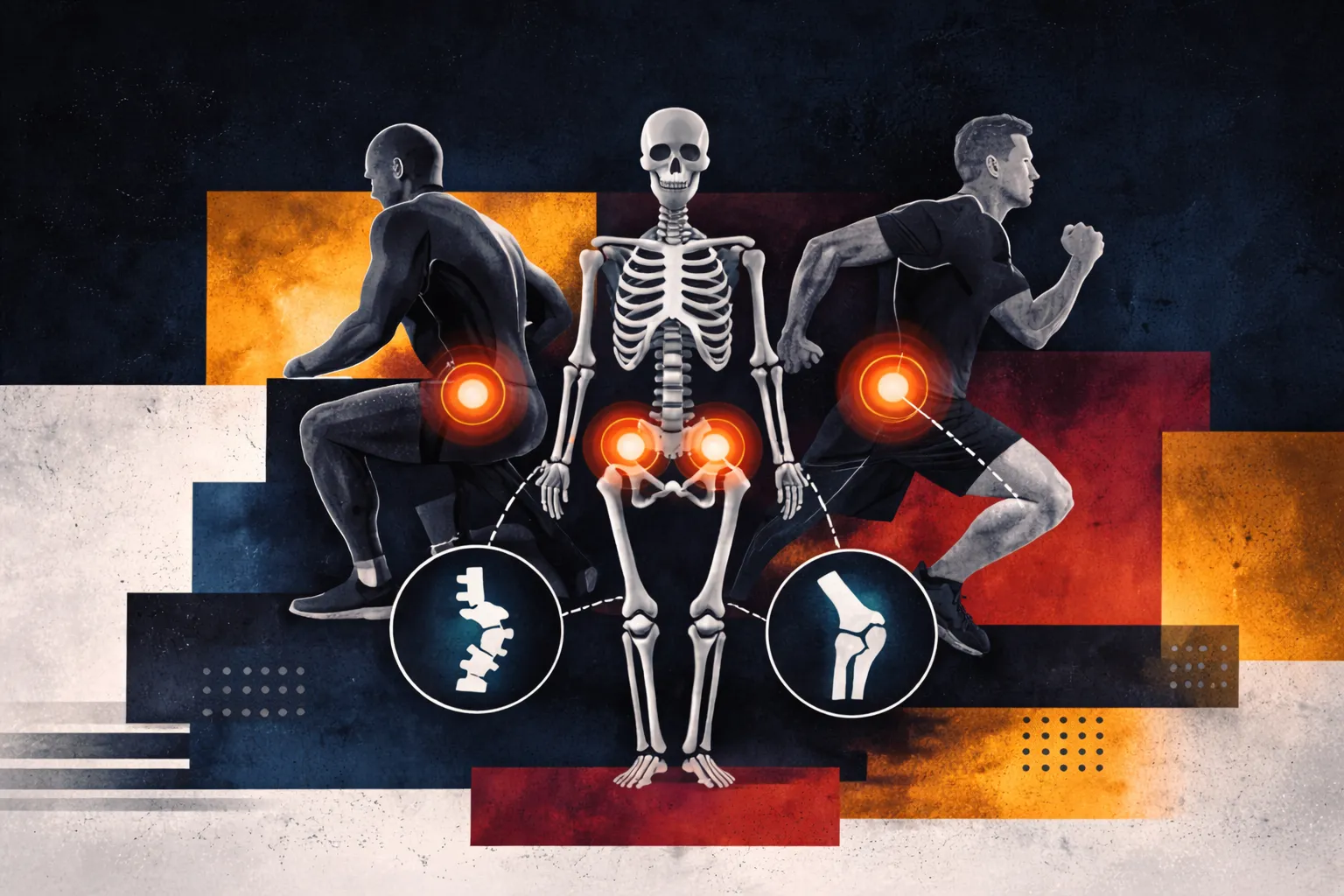
Most chronic back pain isn't caused by the back at all. It's a movement problem driven by tight hips, weak glutes, and a stiff thoracic spine — and treating the back directly is why the pain keeps coming back.
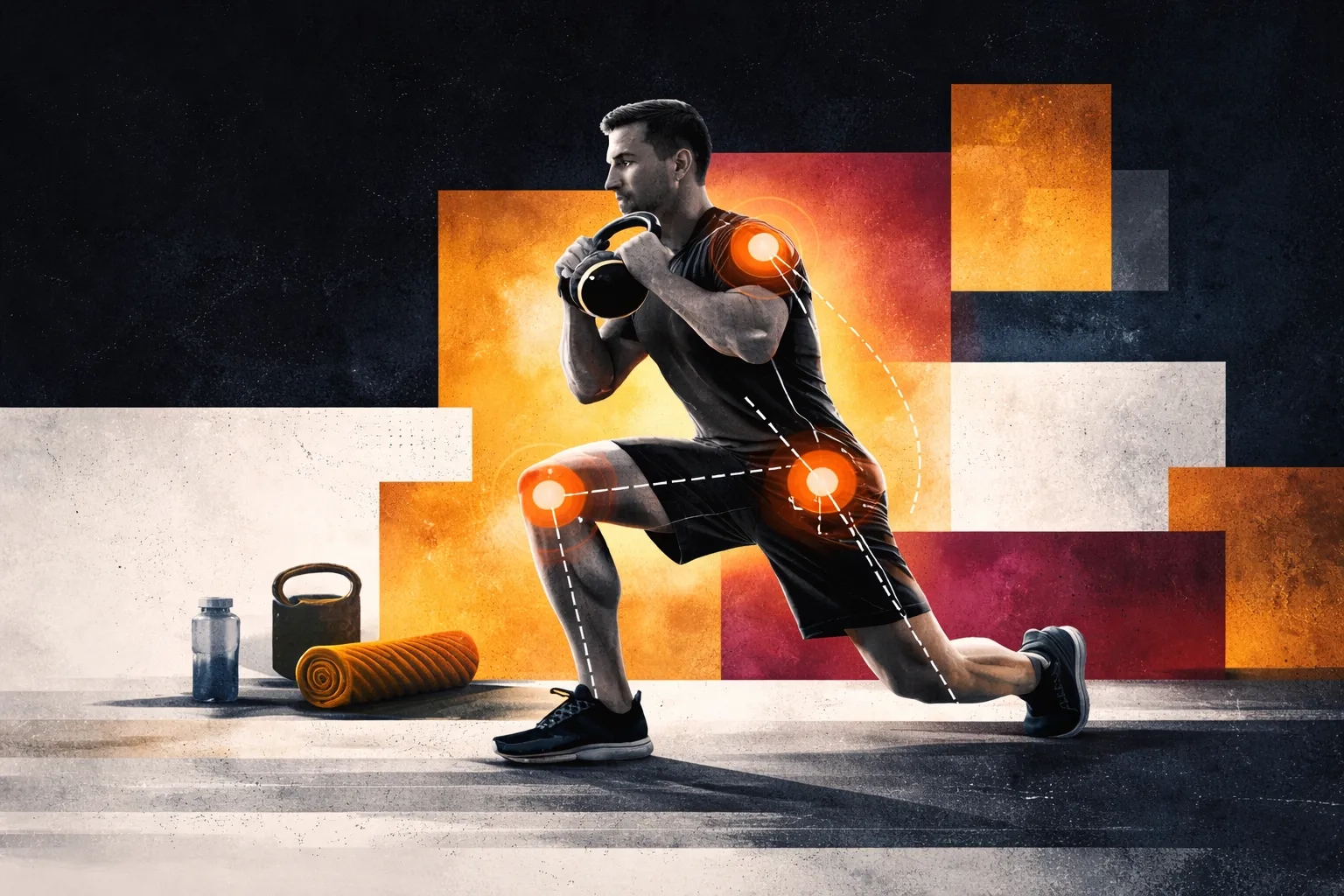
Most people show up after something goes wrong. Prehab is how you make sure it never does. Here's what prehabilitation training is, who needs it, and what it actually looks like in practice.
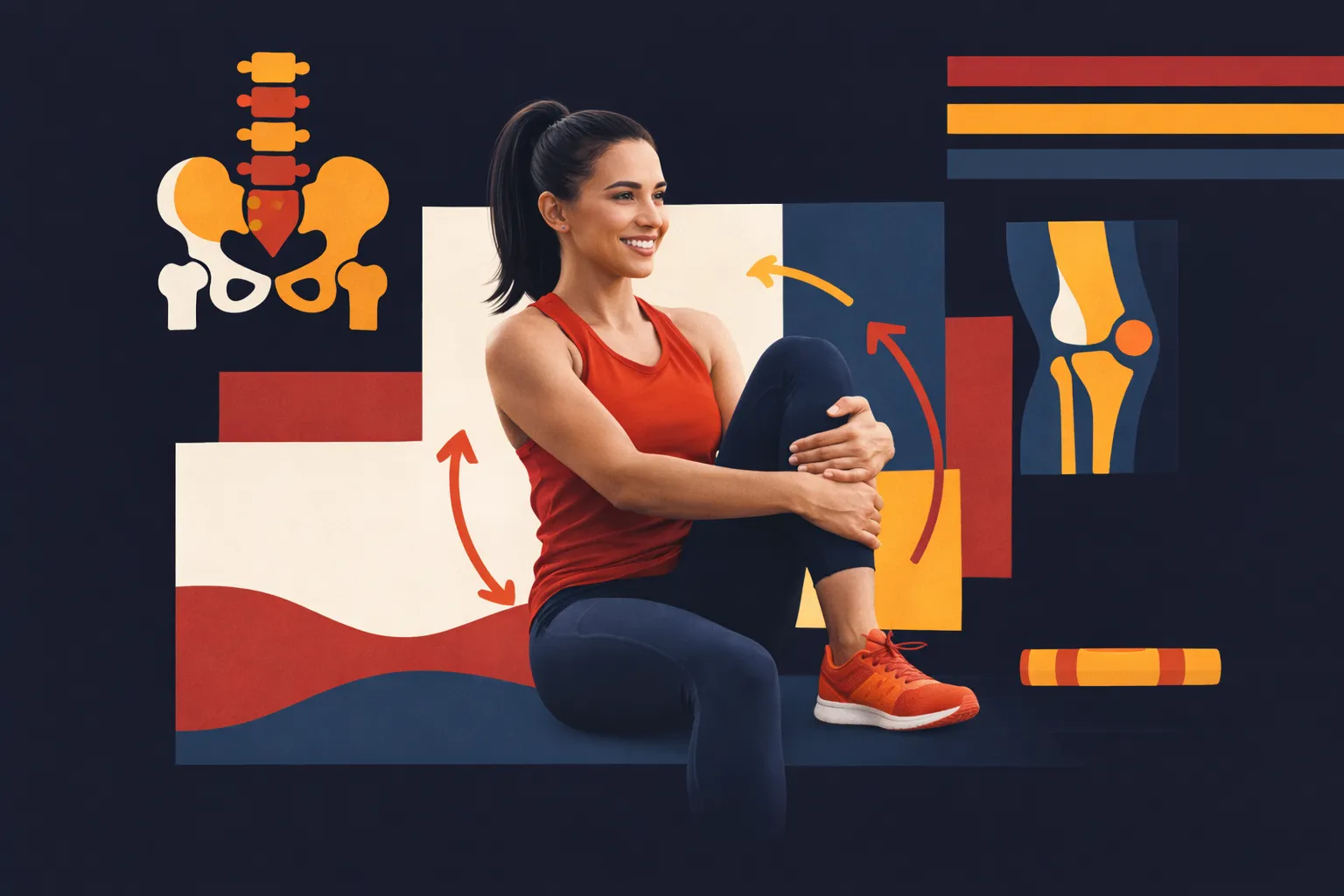
Tight, weak hips are the missing link behind back pain, knee pain, and reduced performance. Here's why hip mobility matters more than most people realize — and what to do about it.