
Reduce
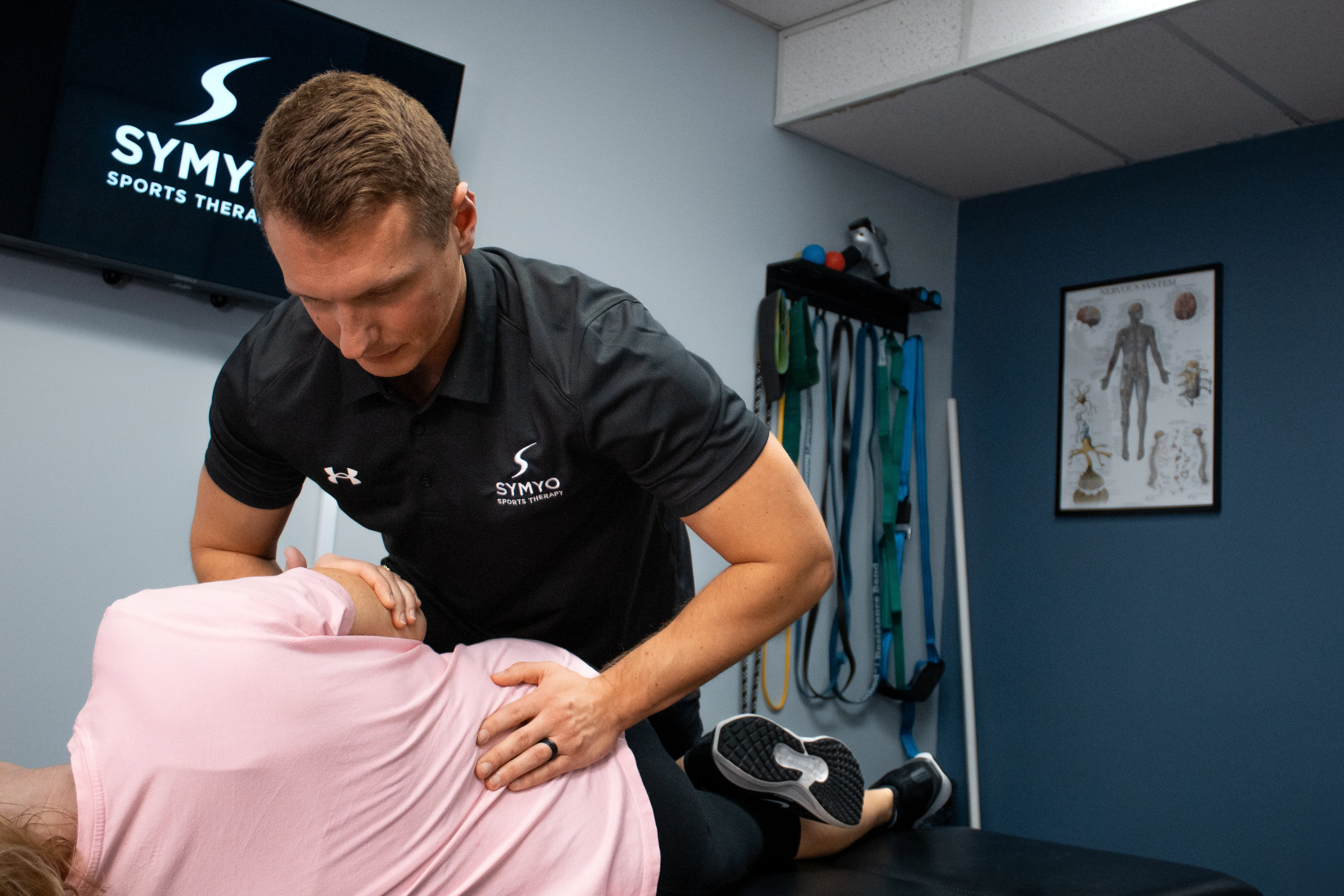
First we calm irritation so your body can move without guarding. When tissues are irritated, movement becomes protective and inefficient. Reducing irritation creates the environment where proper movement can begin again.
Our Method
First Principle
Take a second and answer that for yourself.
Most people say pain.
That makes sense. Pain is what gets your attention.
But pain is not the definition of injury. Injury occurs when load exceeds a tissue's capacity.
In simple terms, when stress exceeds what your body is prepared to handle.
Pain is the signal.
Tissue capacity is the issue.
Whether the tissue is muscle, tendon, ligament, cartilage, bone, or nerve, the principle is the same.
If tissue capacity does not improve, the same stress will eventually produce the same result.
That is why many people move through the same cycle:
Pain.
Relief.
Then frustration when it returns.
Breaking that cycle requires improving how the body handles stress.
At SYMYO, we follow a structured three-phase process:
Reduce. Restore. Reinforce.
If injury occurs when load exceeds tissue capacity, what happens next?
Inflammation.
When a muscle, tendon, joint, or nerve is exposed to more stress than it can tolerate, the body responds with inflammation.
Inflammation is not the enemy.
It is a protective response.
It increases sensitivity.
It limits movement.
It signals that something is irritated.
The problem is not inflammation itself.
The problem is that the underlying capacity has not changed.
You can calm inflammation.
Ice can help.
Medication can help.
Even injections can help.
But those tools reduce the reaction.
They do not increase what your body can tolerate.
If the stress placed on the tissue does not change, and the tissue is not more prepared than before, the irritation eventually returns.
Pain decreases.
Activity resumes.
Weeks or months later, it returns.
Not because your body is broken.
Because capacity was never rebuilt.
How You Break The Cycle
You need to strengthen your tissues.
But you cannot build strength on a poor foundation.
That is why people get hurt at the gym.
They add weight to a body that does not move well yet.
More load does not fix poor movement.
It exposes it.
If something is tight, weak, or not moving the way it should, your body will find a workaround.
It will shift.
It will compensate.
It will borrow from somewhere else.
That works for a while.
Until something else starts to hurt.
The answer is not simply getting stronger.
The sequence matters.
First, calm the irritation so you can move without guarding.
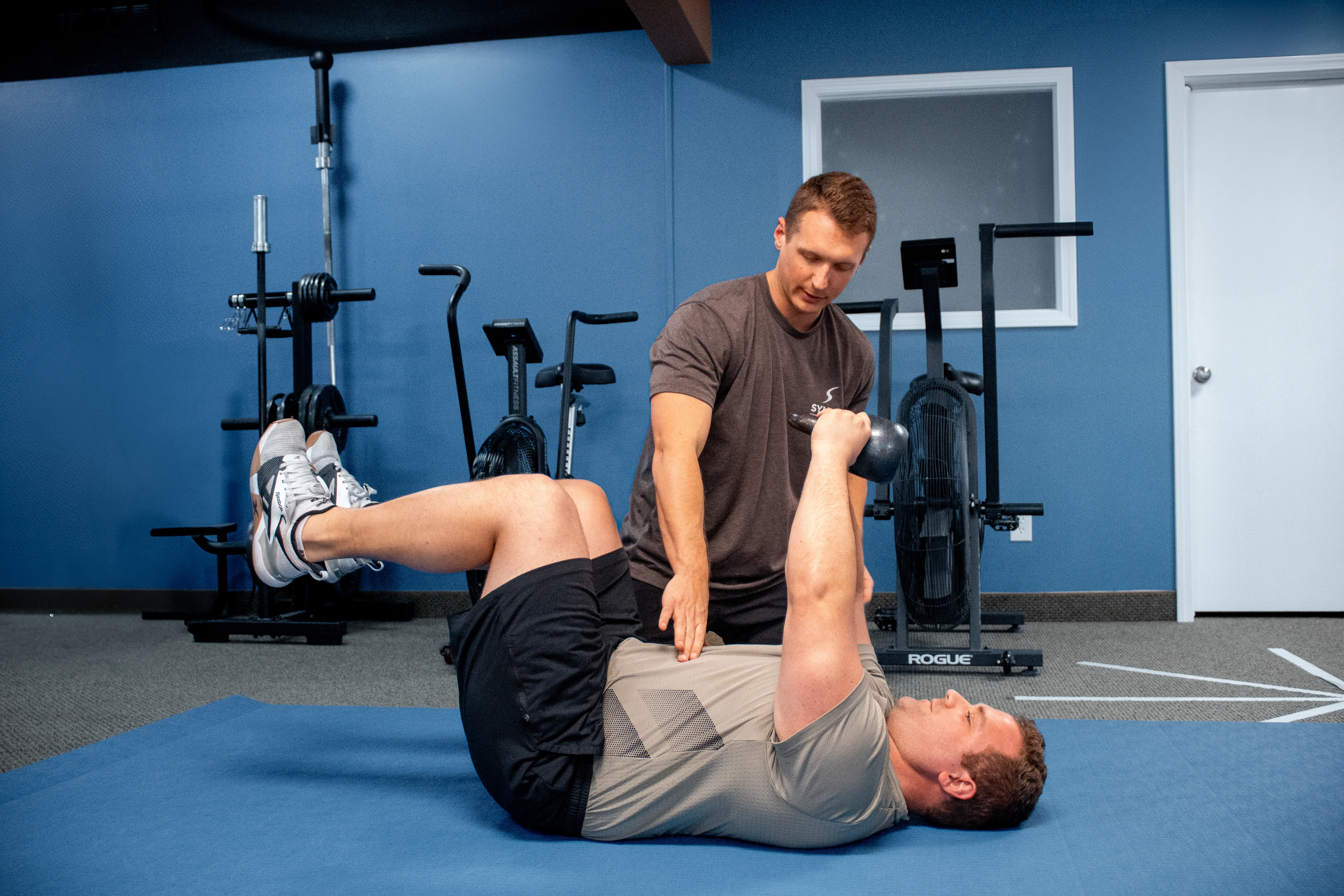
Then restore how your body moves so stress is shared properly.
Then build strength on top of that better movement.
When strength is layered onto a solid foundation, capacity rises.
And when capacity rises, normal life stops overwhelming your system.
The SYMYO Method
At SYMYO, we follow a structured progression designed to rebuild how the body handles stress.
Reduce. Restore. Reinforce.
Each phase builds on the one before it.
First we calm irritation so your body can move without guarding. When tissues are irritated, movement becomes protective and inefficient. Reducing irritation creates the environment where proper movement can begin again.
Next we improve how your body moves. Joint mobility, control, and coordination are restored so stress is distributed properly throughout the system. When movement improves, the body stops compensating.

Finally we build strength. Strength increases the amount of load your body can tolerate. When strength is layered on top of good movement, tissue capacity rises. And when capacity rises, normal life stops overwhelming your system.
At SYMYO, the goal is not just to reduce pain.
The goal is to improve how your body functions over time.
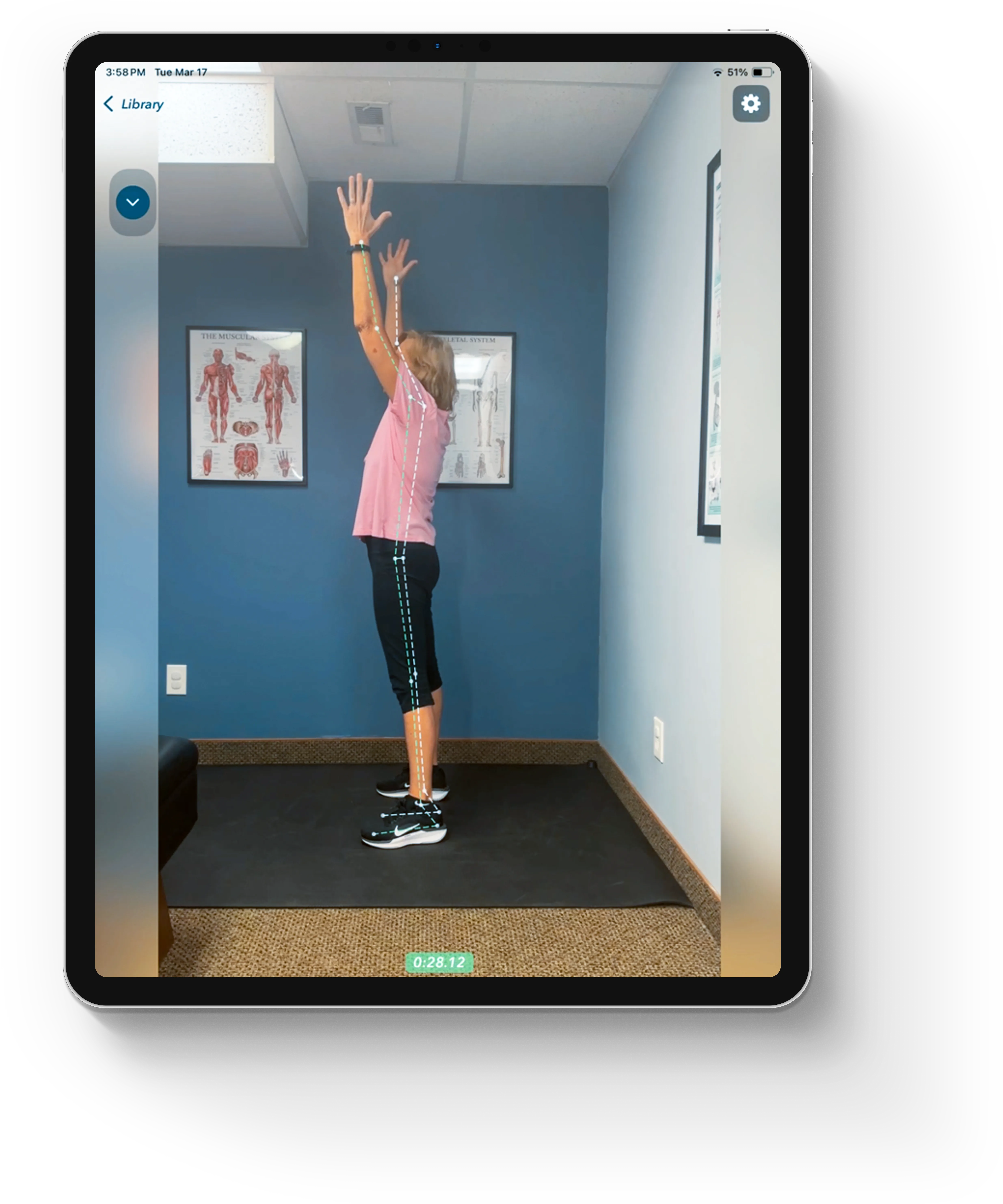
That is why every patient begins with a Movement Age assessment.
Movement Age measures how your body moves and performs compared to your actual age, giving us an objective way to track improvement over time.
As mobility improves and strength increases, your Movement Age improves as well.
This allows us to track progress objectively.
Not just by how you feel.
But by how your body actually functions.
What This Means
If you've been stuck in recurring flare-ups...
If you've tried rest, therapy, injections, or adjustments without lasting change...
If you've been told to avoid movements instead of improving them...
There is a structured way forward.
We assess how your body moves.
We identify where stress is building up.
We build capacity in a deliberate progression.
Not to temporarily quiet pain.
But to make your body more resilient than it was before.
Who This Is For
This is for people who:
If that sounds like you, the next step is to begin with a Movement Age Intensive evaluation.
Apply
Every patient begins with a comprehensive evaluation to assess how their body moves and tolerates stress.
From there, we build a structured plan based on what your body actually needs.
If this way of thinking makes sense to you, and you are ready to rebuild your body instead of chasing temporary relief, the next step is to apply below.