Sports Therapy

Sports Therapy That Helps You Move Better for Life

At SYMYO, Sports Therapy begins by understanding how your body moves, not just where it hurts. We identify what's actually holding you back, then build a personalized plan to help you move better, feel stronger, and stay active for years to come.

Inside SYMYO

Sports Therapy Starts With Understanding How You Move

Real movement data, hands-on care, and a plan built around what your body actually needs.

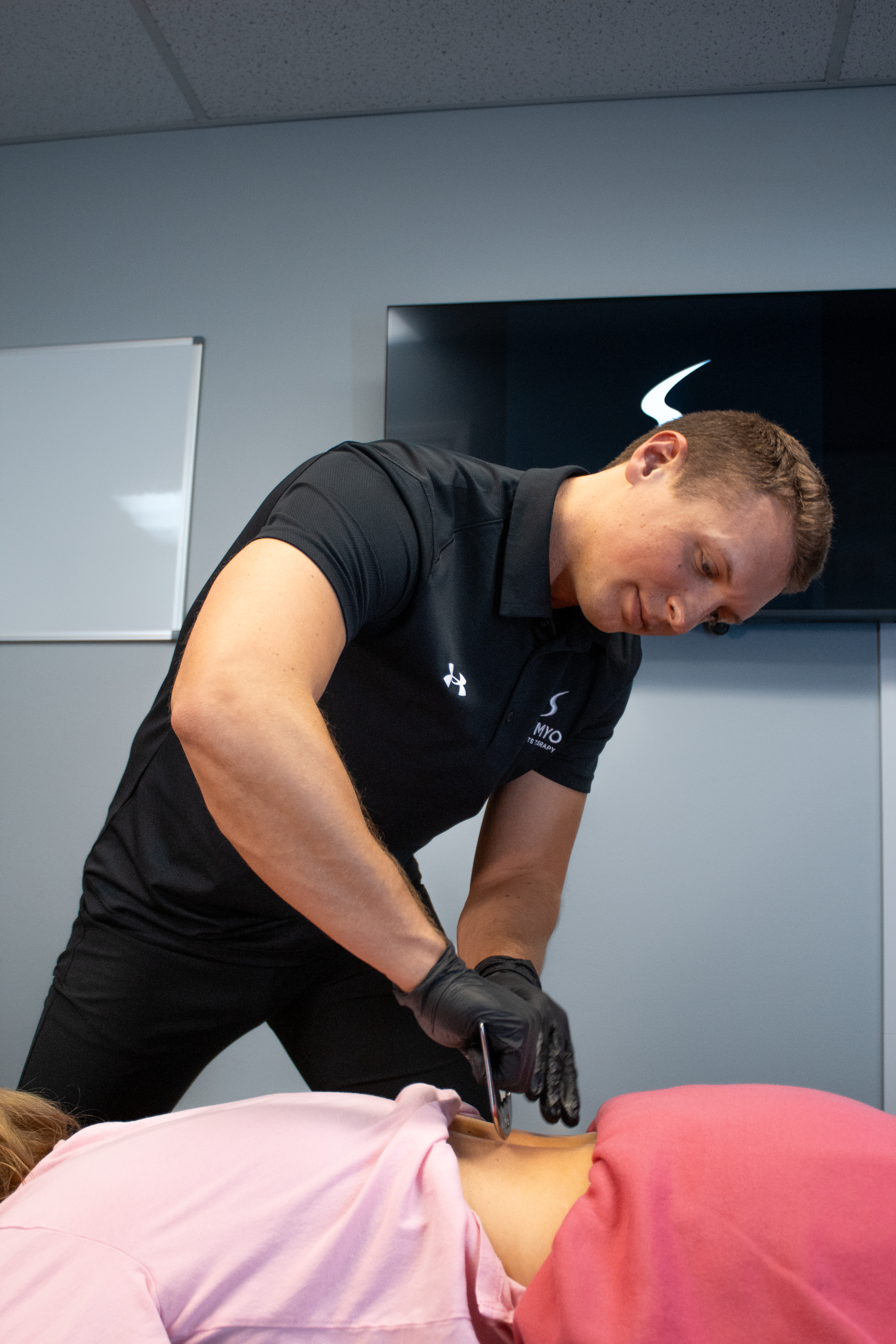
Movement assessment and sports therapy planning at SYMYO
Assessment-Led CareSYMYO

What Is Sports Therapy?

A Plan to Improve Movement, Recovery, and Long-Term Capability

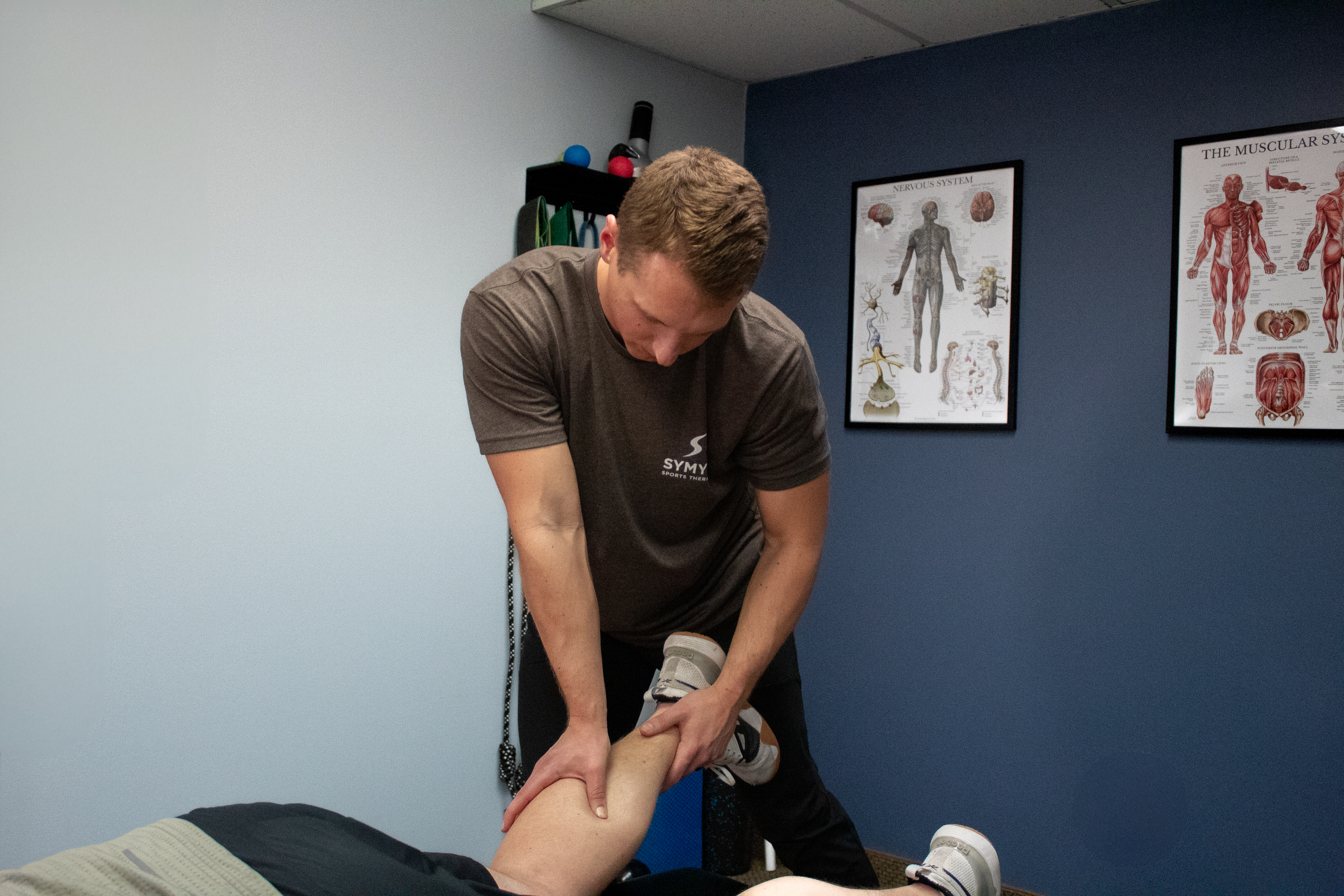
Sports therapy is a way to help active people move better, recover better, and build a body that can handle the activities they care about. It can include sports rehabilitation, movement therapy, mobility training, strength work, and hands-on care when appropriate.

At SYMYO, the process is not limited to athletes or to recent injuries. It is for people who want to understand why their body feels limited and what needs to improve so pain, stiffness, or performance problems stop controlling the week.

When to Seek Care

When Rest, Stretching, or Quick Relief Is Not Enough

Sports therapy can be useful when pain keeps returning, mobility feels restricted, training feels inconsistent, or your body does not feel as reliable as it used to.

Many people come to SYMYO after other approaches helped for a short time but did not explain the pattern. A movement assessment gives the plan a clearer starting point.

Who It Is For

Sports Therapy Is for Active Adults Who Want Their Body to Keep Up

Active adults who want to keep training, golfing, running, lifting, walking, working, and living without constantly managing flare-ups.

Weekend athletes who need their body to feel reliable when they return to sport or recreational competition.

Golfers, runners, weightlifters, pickleball players, former athletes, and adults over 40 who want to maintain their lifestyle.

Desk workers and busy parents who feel stiff, guarded, or limited by the demands of work and life.

Common Reasons

Why People Visit SYMYO

People often look for a sports therapist because something keeps interfering with training, work, sport, or daily life. The goal is to understand what is driving the limitation before choosing the plan.

Recurring back pain
Neck pain
Shoulder pain
Hip pain
Knee pain
Stiffness
Mobility limitations
Sports injuries
Performance limitations
Pain that keeps returning

The SYMYO Process

Measure. Understand. Improve.

The SYMYO System gives sports rehabilitation a clear sequence. We measure first, understand what the findings mean, then improve the limitations that matter most.

01

Measure

We start by measuring how your body moves. That may include posture, mobility, balance, strength, movement control, compensation patterns, and Movement Age®.

02

Understand

We connect the findings to your symptoms and goals so you can understand why the issue may be returning and which limitations matter most.

03

Improve

We build a plan that can include mobility work, hands-on care, rehabilitation, strength training, and progressive return to the activities you care about.

Inside SYMYO

Movement Assessment Helps Reveal What the Body Needs Next

Real movement data, hands-on care, and a plan built around what your body actually needs.

AI movement assessment at SYMYO
Assessment-Led CareSYMYO

How SYMYO Is Different

Built Around the Whole Movement System

Movement Assessment

The starting point is how your body moves, not just where symptoms show up.

One-on-One Care

You work directly with Dr. Mitch Israel in a focused appointment model.

Personalized Rehabilitation

Your plan is based on your findings, goals, history, and current capacity.

Strength-Based Recovery

Progress is reinforced with strength so changes carry over into real life.

Movement-First Philosophy

Care is built around restoring mobility, control, coordination, and confidence.

Long-Term Results

The goal is durable physical capability, not a short window of temporary relief.

Why Issues Return

Why Traditional Treatments Sometimes Feel Temporary

Sometimes pain improves before the movement problem changes. If mobility, strength, balance, control, or load tolerance stay the same, the body may return to the same pattern once activity ramps back up.

SYMYO uses the services hub, the Movement & Performance Evaluation and Movement Age® to help clarify what the body needs next.

What to Expect

A Clearer Path Before You Commit to Care

Start with the discovery page to learn how the process works. From there, the right next step may be a conversation, a full-body evaluation, or a plan built around your goals.

If you are also comparing local care options, you can review the Farmington Hills chiropractor page or the Novi chiropractor page.

FAQ

Sports Therapy FAQ

What is sports therapy?+

Sports therapy is care that helps people move, recover, and perform better. At SYMYO, it includes movement assessment, mobility work, rehabilitation, strength-based recovery, and a plan built around your goals.

Do I need to be an athlete to benefit from sports therapy?+

No. Many SYMYO patients are active adults, weekend athletes, parents, desk workers, golfers, runners, lifters, and adults over 40 who want to stay active and capable.

How is sports therapy different from only treating pain?+

Pain is important, but it is not always the whole story. SYMYO looks at how your body moves, where it compensates, and what needs to improve so the plan can address more than the painful area.

What happens during a movement assessment?+

A movement assessment looks at posture, mobility, strength, balance, movement control, and compensation patterns. SYMYO also uses Movement Age® to help clarify what may be limiting your body.

Can sports therapy help with recurring injuries?+

Sports therapy may help when recurring issues are connected to mobility limitations, strength gaps, poor control, or compensation patterns. The goal is to identify the contributing factors and build a plan around them.

What conditions can sports therapy help?+

People visit SYMYO for recurring back pain, neck pain, shoulder pain, hip pain, knee pain, stiffness, mobility limitations, sports injuries, and performance limitations.

Why do some traditional treatments only help temporarily?+

Temporary relief can happen when the painful area improves but the larger movement pattern does not change. If mobility, strength, balance, or control remain limited, symptoms may return when life or training loads the body again.

What should I expect at SYMYO?+

Expect a movement-first process. SYMYO helps you learn what is limiting your body, understand why it matters, and build a personalized plan that may include mobility work, rehabilitation, strength, and progressive return to activity.

Is sports therapy the same as sports performance therapy?+

They overlap. Sports therapy often starts with pain, injury, or mobility issues, while sports performance therapy may focus more on capacity and performance. At SYMYO, both are connected through movement assessment and strength-based progression.

Where is SYMYO located?+

SYMYO is located in Farmington Hills and serves active adults from Farmington, Novi, Northville, Livonia, Plymouth, West Bloomfield, Commerce Township, and surrounding Metro Detroit communities.

Areas We Serve

Sports Therapy Location Pages

SYMYO is located in Farmington Hills and serves active adults across Metro Detroit. Choose a location page to learn how sports therapy is positioned for your area.

Find Out What's Really Holding Your Body Back

Learn how SYMYO helps active adults understand why pain, stiffness, or performance limitations keep returning and what the next step should be.