Shoulder Pain

Shoulder Pain During Workouts? The Problem May Not Be Your Shoulder.

Shoulder pain during lifting, pressing, reaching, or sport is often connected to how the upper back, rib cage, shoulder blade, and trunk work together. SYMYO helps active adults in Farmington Hills and Metro Detroit measure what is actually driving the issue.

Inside SYMYO

Assess the Whole System Behind Shoulder Stress

Real movement data, hands-on care, and a plan built around what your body actually needs.

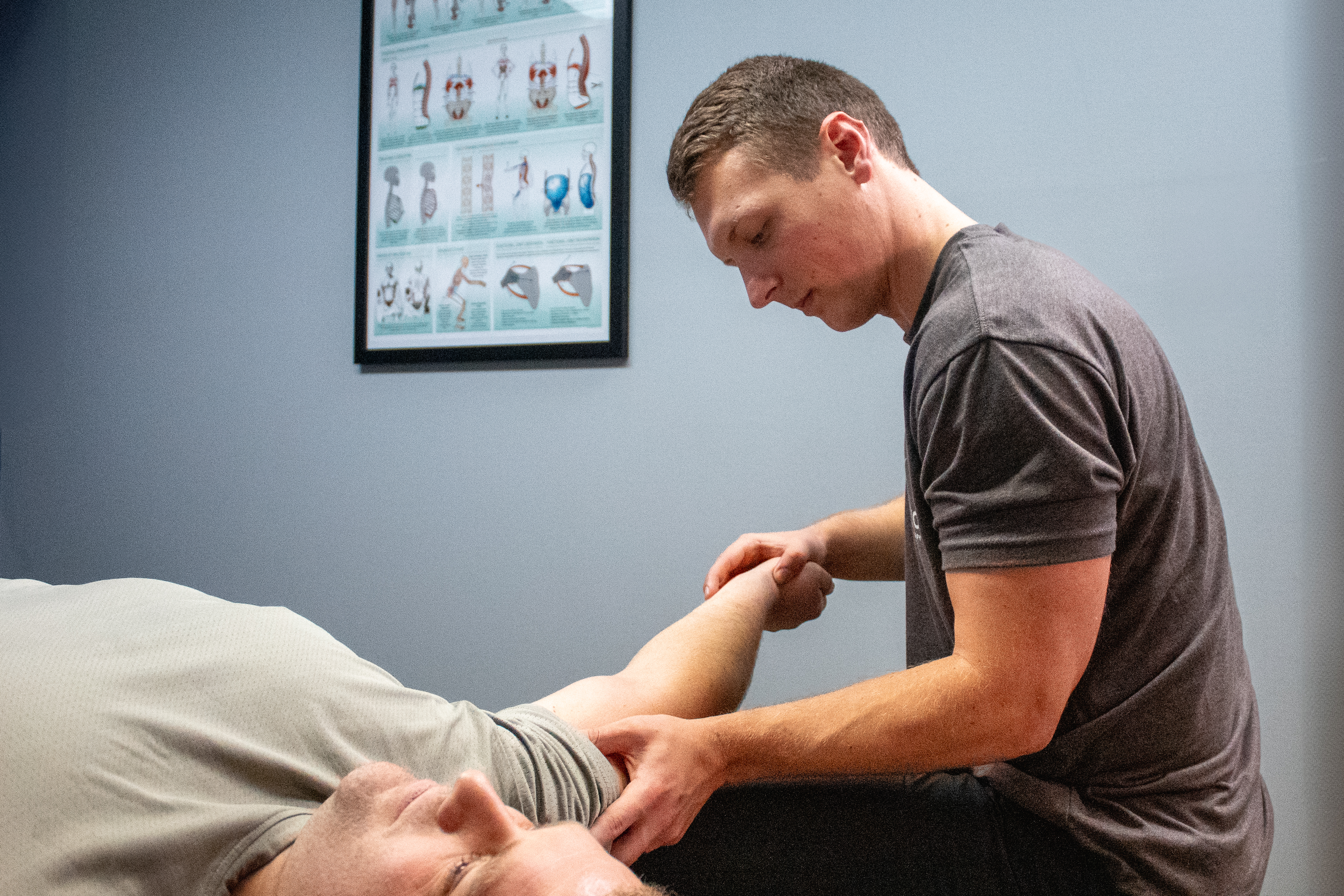
Hands-on shoulder treatment at SYMYO
Assessment-Led CareSYMYO

Why Shoulder Pain Keeps Returning

The shoulder has a lot of range, but it needs support from the shoulder blade, rib cage, trunk, and upper back. When those areas do not move well, the shoulder often becomes the place you feel the problem.

That is why we connect shoulder pain rehab to Movement Age® and full-body assessment instead of only chasing the painful joint.
Common Contributors

  • Thoracic mobility
  • Rib cage mechanics
  • Rotator cuff weakness
  • Scapular control
  • Trunk rotation
  • Pressing or throwing mechanics

How We Assess Shoulder Function

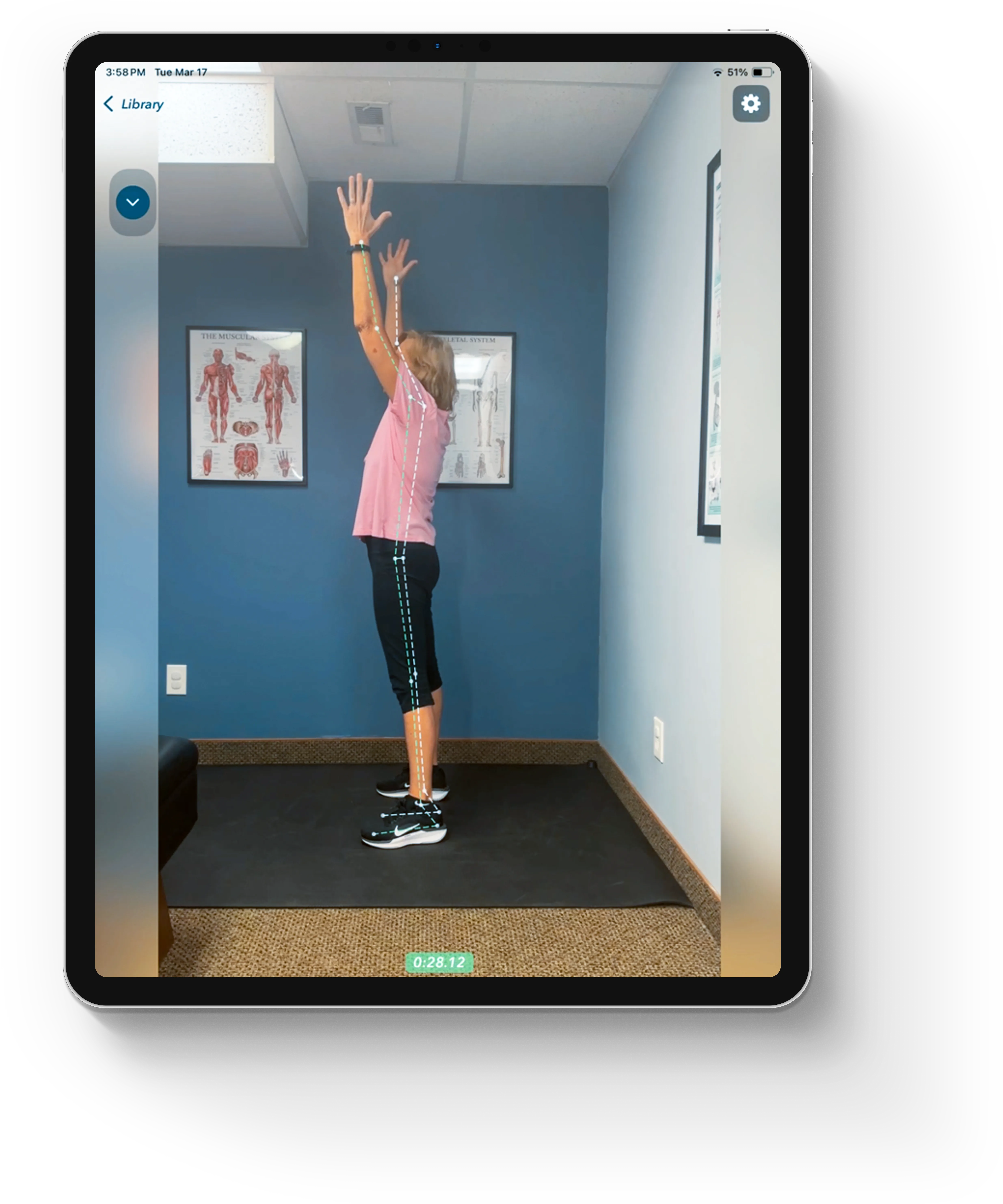
AI Movement Assessment helps identify posture, asymmetry, movement quality, and compensation patterns that may overload the shoulder.

Movement Age® gives a broader view of how your body functions compared to your actual age.

Mobility testing looks at shoulder range, thoracic motion, rib cage position, and how your shoulder blade moves.

Strength testing looks at rotator cuff strength, scapular control, trunk support, and your ability to control motion under load.

The SYMYO System

Shoulder Rehab That Looks at the Whole System

01

Measure

Measure shoulder motion, upper-back mobility, shoulder blade control, trunk rotation, and strength before building the plan.

02

Understand

Connect your shoulder symptoms to the way your upper back, rib cage, trunk, and shoulder blade are working together.

03

Improve

Build mobility, control, and strength so the shoulder can handle pressing, reaching, sport, and daily life.

Why Treating Only the Shoulder Often Is Not Enough

The shoulder depends on the rib cage, thoracic spine, shoulder blade, trunk, and neck. If those areas are stiff or poorly controlled, the shoulder may keep absorbing stress during pressing, reaching, throwing, or lifting.

SYMYO connects shoulder pain rehab to sports therapy, movement assessment, and strength-based recovery.

What the Movement Assessment Looks At

  • Shoulder range of motion and side-to-side differences.
  • Thoracic mobility, rib cage position, and trunk rotation.
  • Scapular control, rotator cuff strength, and pressing mechanics.
  • How neck, trunk, or hip movement may influence upper-body loading.

Who This Is For

For Active Adults Who Want Their Shoulder to Hold Up

  • Your shoulder hurts during pressing, pulling, reaching, or throwing.
  • You feel pinching, weakness, or instability in workouts.
  • You have tried rest, stretching, or light band exercises and the problem keeps returning.
  • You want to keep lifting, training, golfing, or staying active.
  • You want to understand what is driving the shoulder stress.

FAQ

Shoulder Pain FAQ

Why does my shoulder pain keep coming back during workouts?+

Shoulder pain can return when the shoulder is forced to compensate for limited thoracic mobility, poor rib cage mechanics, weak rotator cuff control, or poor scapular control.

Can shoulder pain come from somewhere else?+

Yes. The shoulder depends on the upper back, rib cage, neck, trunk, and shoulder blade. If those areas do not move or control well, the shoulder may take extra stress.

How does SYMYO assess shoulder function?+

SYMYO uses AI Movement Assessment, Movement Age®, mobility testing, strength testing, and full-body movement analysis to understand why the shoulder is being overloaded.

Why does shoulder pain come back after rest?+

Rest can calm irritation, but symptoms may return if the shoulder still lacks mobility, strength, scapular control, or support from the upper back and trunk.

How does shoulder mobility affect Movement Age®?+

Shoulder mobility, thoracic movement, posture, and upper-body control affect reaching, pressing, rotation, and full-body movement quality, which can influence Movement Age®.

What does shoulder rehabilitation include at SYMYO?+

A shoulder plan may include upper-back mobility, shoulder blade control, rotator cuff strength, trunk support, hands-on care, and progression back to training or sport.

Should I start with the discovery page?+

Yes. The discovery page explains the SYMYO process so you can understand whether the Movement & Performance Evaluation is the right next step.

Find Out What's Actually Holding Your Shoulder Back