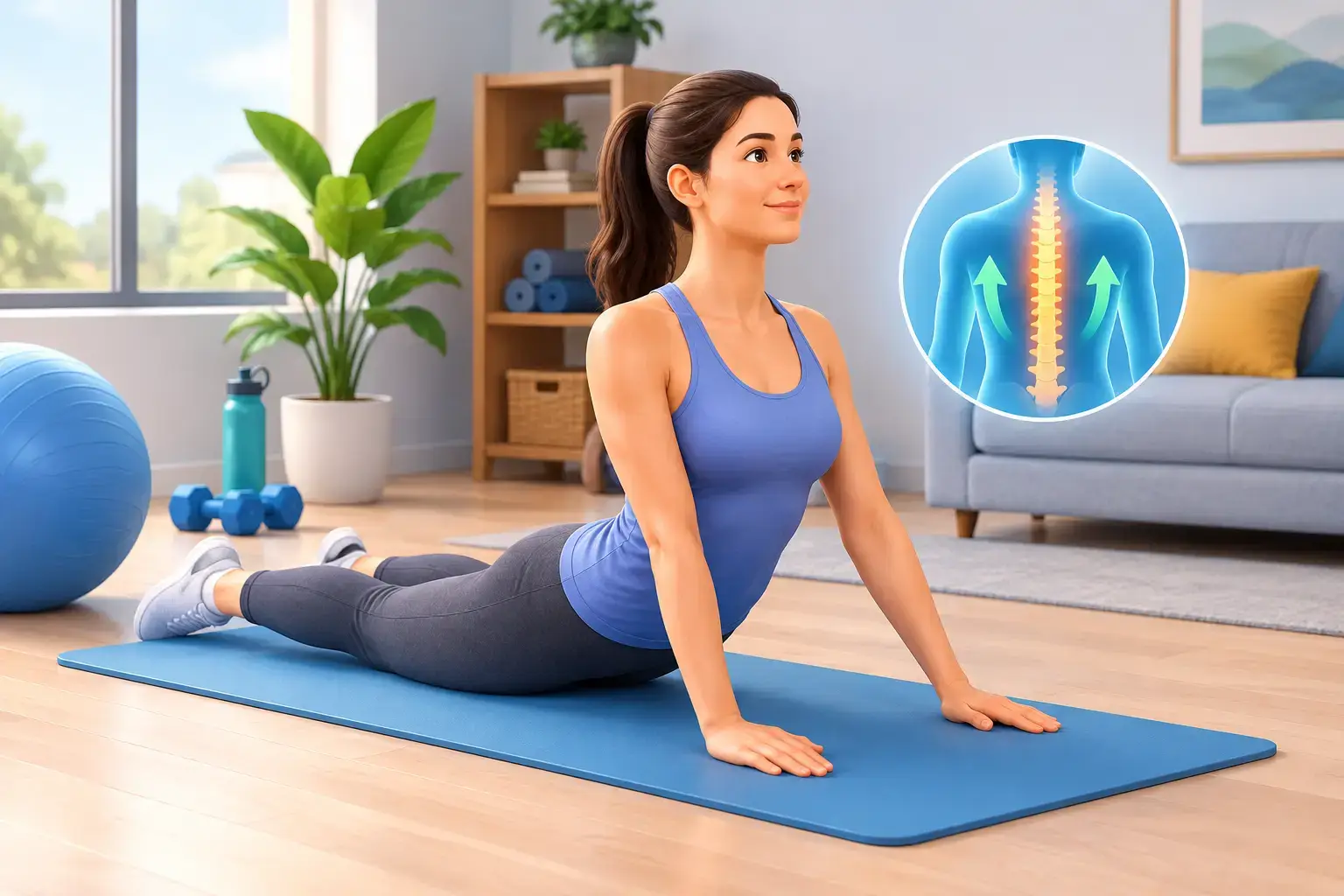
Learn how to regain strength after back pain using a measured plan for mobility, stability, and progressive training so you can stay active for years.
Getting through a back-pain flare-up can feel like a win - until you try to return to your normal workout, golf game, or weekend projects and realize your body does not feel ready. To regain strength after back pain, the goal is not to rush back to the exercises you were doing before. It is to understand what your body can tolerate now, rebuild capacity step by step, and progress with a plan.
For active adults, back pain often creates an uncomfortable cycle. You rest because movement hurts, become less active for a few weeks, then feel stiff and deconditioned when you try to restart. A familiar movement such as squatting, picking up a bag, running, or deadlifting may suddenly feel uncertain. Pain may have settled down, but confidence and strength have not caught up yet.
That gap matters. Pain relief is one part of recovery. Restoring the mobility, control, and strength needed for your real life is what helps you return to activity with more confidence.
Why back pain can leave you feeling weak
Back pain does not always mean something is seriously damaged. But when a movement has been painful, your body may start to guard against it. You may shift your weight, move more cautiously, avoid bending or rotating, or stop loading one side as much as the other. These changes can be useful in the short term, yet they can also reduce strength and coordination if they continue for too long.
Time away from training adds another layer. Muscles and the nervous system adapt to what you ask them to do. If you stop lifting, walking hills, playing tennis, or practicing the movements that matter to you, those tasks can feel harder when you return. That does not mean you have failed recovery. It means your body needs a progressive reintroduction to load.
The back itself is not always the only area worth assessing. Limited hip motion, reduced trunk endurance, poor balance, a weak hinge pattern, or loss of leg strength may be associated with difficulty returning to activity. They may not be the sole reason someone has back pain, but they can affect how well the body distributes force during daily life and exercise.
Regain strength after back pain with a clear progression
A useful return-to-strength plan is not built around forcing through pain or avoiding all discomfort forever. It is built around finding the right starting point and gradually expanding what you can do. At SYMYO, that process follows three practical stages: Reduce, Restore, and Reinforce.
Reduce: Calm the problem without shutting down completely
In the early phase, the priority is to reduce irritation and identify movements that are currently too demanding. This may include hands-on treatment, modified activity, and exercises that allow you to move without repeatedly provoking symptoms.
Complete rest is rarely the long-term answer for a typical mechanical back-pain episode. Gentle walking, comfortable position changes, and low-load movement can often help you stay connected to activity. The right amount depends on your symptoms, irritability, medical history, and what you can do without a significant flare-up.
A simple rule is to pay attention to your response during activity and over the next 24 hours. Mild discomfort that settles quickly can be different from sharp pain, spreading symptoms, or a clear worsening that lasts into the next day. Your plan should respond to those patterns instead of relying on a generic exercise list.
Restore: Rebuild movement options and control
Once symptoms are more manageable, the next step is restoring the movement options your daily life requires. This may include hip mobility, trunk control, balance, breathing mechanics, and the ability to bend, rotate, reach, or get up from the floor with better control.
This phase is not about chasing perfect posture or making every movement look identical. Bodies vary, and not every restriction needs to be corrected. The more useful question is: Which limitations appear to affect the tasks you want to return to?
For example, someone who wants to resume golf may need to build rotational control and tolerance gradually. A gym-goer returning to squats or deadlifts may need to practice a hip hinge with lighter loads before adding weight. A runner may need to restore single-leg strength and pelvic control before increasing mileage. The exercise choice should match the person and the goal.
Reinforce: Build the strength that supports an active life
This is where many people stop too early. They feel better, do a few mobility drills, and assume they are ready for the same volume or intensity they handled months ago. Then a demanding workout, a long car ride, or a weekend of yard work brings symptoms back.
Reinforcing means progressively loading the whole body. Depending on your starting point, that may include squats or sit-to-stands, hinges, carries, rows, presses, step-ups, split squats, and controlled trunk-training exercises. These are not magic movements. They are tools for building the leg, hip, trunk, and upper-body strength that helps you handle daily demands.
The key variables are load, range of motion, repetitions, speed, frequency, and recovery. You do not need to increase all of them at once. If bending is tolerated but heavier weight is not, keep the pattern and adjust the load. If strength is improving but longer workouts trigger stiffness, build volume more slowly. Progress works best when it is measurable and repeatable.
Start with what your body can do today
The best starting point is not necessarily the exercise you miss most. It is the version of movement you can perform with control and a tolerable symptom response. For one person, that may be a bodyweight box squat. For another, it may be a light kettlebell deadlift from an elevated surface. For someone with a highly sensitive back, the first step may be walking, supported core-control work, and simple lower-body strengthening.
A qualified movement assessment can make this process more specific. Rather than guessing based on where pain is felt, an assessment can look at mobility, balance, core stability, strength, posture, and movement patterns. Clear measurements help identify what needs to improve first and create a baseline for progress.
For active adults in Farmington Hills and the surrounding Metro Detroit area, this is especially useful when the same problem keeps returning after attempts to get back to the gym or sport. The answer may not be more rest or a completely new workout. It may be a better progression from your current capacity to the activity you want to do.
Common mistakes when returning to exercise
The first mistake is treating pain relief as full readiness. Feeling better is encouraging, but it does not automatically mean your strength, endurance, and movement tolerance are back to where they need to be.
The second is doing too much on a good day. It is normal to want to make up for lost time, especially if you are used to training regularly. But a large jump in load, miles, or workout duration can exceed what your body is prepared to recover from. Consistency at a manageable level is more valuable than a hard restart followed by another setback.
The third is relying only on passive care. Hands-on treatment may help reduce symptoms and make movement feel easier, but it should support an active rehabilitation plan rather than replace one. Lasting physical capacity is built through repeated movement, progressive loading, and the confidence that comes from seeing what your body can do.
Finally, do not ignore symptoms that require medical attention. New or worsening leg weakness, numbness in the groin area, loss of bowel or bladder control, fever, unexplained weight loss, or severe pain after significant trauma should be evaluated promptly.
Make progress visible
A strong return-to-activity plan should give you evidence that you are moving forward. That may mean less stiffness after sitting, more comfortable range of motion, better single-leg balance, a heavier carry, more controlled squats, or the ability to finish a round of golf without worrying about your back.
Tracking these changes shifts recovery away from vague reassurance. You can see what has improved, where capacity still needs work, and when it makes sense to progress. A personalized program that combines rehabilitation with strength training can help turn that information into a practical next step.
Your back does not need to feel fragile for the rest of your life. Start where you are, build from clear measurements, and give your body enough time and appropriate challenge to become capable again.