From SYMYO Sports Therapy
Core Stability Exercises for Adults That Work
Learn how core stability exercises for adults can build a stronger, resilient body, reduce movement compensation, and support the activities you enjoy.
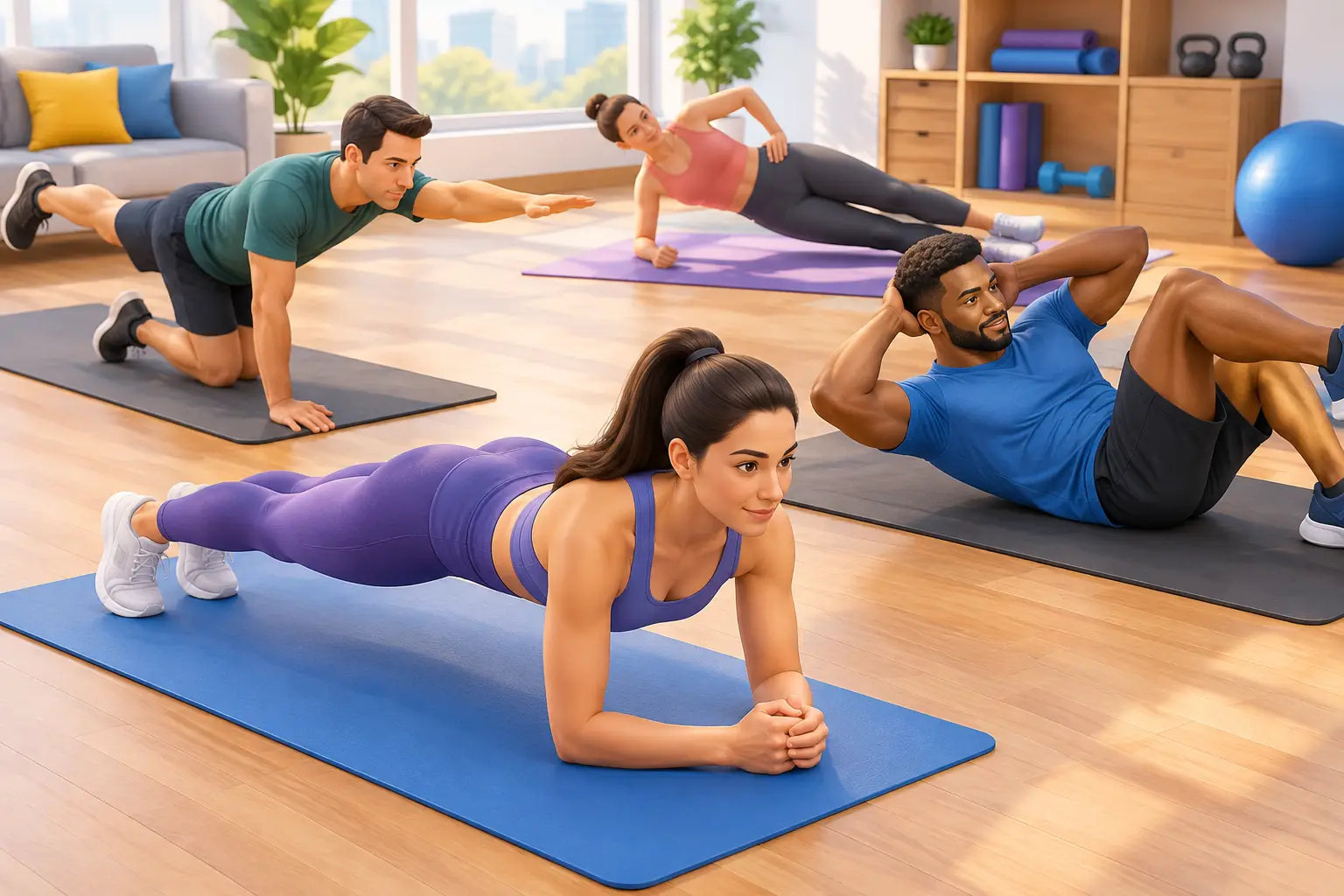
Your back does not need to hurt for your core to need attention. If getting out of the car feels stiff, your golf swing has lost power, or your low back tightens during strength training, core stability exercises for adults can be a useful place to look. The goal is not to chase a visible six-pack. It is to help your trunk stay controlled while your hips, shoulders, and legs do their jobs.
For active adults, that distinction matters. Many people can do dozens of sit-ups yet still struggle to control their position during a deadlift, a run, a tennis serve, or a simple reach into the back seat. Core stability is less about how much your abs can burn and more about how well your body can manage movement and load.
What Core Stability Actually Means
Your core includes more than the muscles on the front of your abdomen. It involves the abdominal wall, back muscles, diaphragm, pelvic floor, hips, and the coordination between them. These areas work together to create a stable base for movement.
A stable core does not mean a rigid torso at all times. Your body needs enough control to resist unwanted motion, then enough mobility to move when movement is required. For example, when you carry groceries, your trunk should resist excessive side-bending. When you rotate through a golf swing, your trunk needs to transfer force between the ground, hips, and shoulders without forcing one area to do all the work.
This is why endless crunches are often an incomplete plan. Crunches train spinal flexion. That may be appropriate for some people, but daily life and sport also require resisting extension, rotation, and side-bending. A well-rounded program includes all of those demands.
Why Adults Often Lose Core Control
Core stability can change after an old injury, a period away from training, long workdays spent sitting, or simply years of repeating the same movement patterns. Pain may also cause people to brace differently or avoid certain positions. Those changes do not automatically explain every ache, but they can be one factor in how the body distributes stress.
The issue is often not a weak muscle in isolation. Someone may have good abdominal strength but limited hip mobility, poor single-leg balance, or a habit of extending through the low back when reaching overhead. Another person may have plenty of mobility but not enough strength to control it under load.
That is why the best exercise choice depends on what your body needs. A movement assessment can help identify whether limited mobility, reduced strength, poor balance, or a specific movement pattern deserves attention first. Clear measurements are more useful than guessing based on where discomfort shows up.
Core Stability Exercises for Adults: Start With Control
The exercises below emphasize control, breathing, and gradual progression. They are not meant to be a test of toughness. If an exercise creates sharp pain, numbness, tingling, increasing symptoms, or a feeling that something is not right, stop and seek an individualized evaluation.
1. 90/90 Breathing With a Wall
Lie on your back with your feet flat on a wall and your hips and knees bent to about 90 degrees. Gently press your heels into the wall without sliding. Exhale slowly through your mouth as if you are fogging a mirror, allowing your ribs to come down. Pause, then inhale quietly through your nose without letting your low back arch aggressively.
Perform five slow breaths for two or three rounds. This is not just a relaxation drill. It can help you practice coordinating your rib cage, pelvis, and abdominal wall before adding more demanding exercise.
2. Dead Bug
Start on your back with hips and knees bent to 90 degrees and arms reaching toward the ceiling. Exhale gently to create abdominal tension, then slowly lower one heel toward the floor while reaching the opposite arm overhead. Return with control and switch sides.
Your low back does not need to be smashed into the floor. Instead, aim to keep your rib cage and pelvis from shifting excessively. If your back arches or your hips twist, shorten the range of motion. Six to eight controlled repetitions per side is usually more productive than rushing through 20.
3. Side Plank From the Knees
Lie on your side with your elbow under your shoulder and knees bent. Lift your hips so your shoulders, hips, and knees form a straight line. Keep your head relaxed and avoid letting the top shoulder roll forward.
Hold for 15 to 30 seconds per side. This exercise challenges your ability to resist side-bending, which is useful for walking, running, carrying, and single-leg movements. Progress by straightening the legs or adding a slow top-leg lift only when you can hold the basic position without losing alignment.
4. Bird Dog
Begin on hands and knees with your hands below your shoulders and knees below your hips. Reach one leg straight back and the opposite arm forward while keeping your trunk quiet. Think about extending long rather than lifting high.
A common mistake is rotating the hips open or arching the low back to create more range. Keep the movement smaller if needed. Pause for two to three seconds, then return slowly. Five to eight repetitions per side is enough when each rep is controlled.
5. Half-Kneeling Pallof Press
Set a resistance band or cable at chest height and stand sideways to the anchor in a half-kneeling position. Hold the handle at your chest, exhale, and press it straight forward without letting your torso rotate toward the anchor. Bring it back slowly.
The Pallof press trains anti-rotation control. That makes it a practical option for adults who play rotational sports, lift weights, or notice their trunk twisting during lunges and step-ups. Start with a light load. If you need to lean or hold your breath to complete the press, the resistance is too high.
6. Suitcase Carry
Hold one dumbbell or kettlebell at your side and walk slowly with tall posture. Do not lean away from the weight or hike the loaded shoulder toward your ear. Take 20 to 40 controlled steps, then switch sides.
Carries are especially useful because they connect core stability to real-world movement. Your trunk has to manage load while your legs move, your feet contact the ground, and your arms stay involved. Start lighter than you think. Quality walking mechanics matter more than carrying the heaviest weight possible.
How to Build These Into Your Week
Two or three short sessions each week can be enough to create progress, especially if core work supports a broader strength and mobility plan. Choose two or three exercises at a time. Perform them after a warm-up or between major strength exercises, when you can still focus on position and breathing.
A simple starting session might include 90/90 breathing, dead bugs, side planks, and suitcase carries. Keep the total time to 10 or 15 minutes. As control improves, progress one variable at a time: add a few seconds to a hold, increase range of motion, add light resistance, or move from a stable position to a more demanding one.
Avoid progressing everything at once. More difficulty is not always better if it changes the movement you are trying to train. A side plank that turns into shoulder discomfort or a dead bug that turns into low-back arching is feedback that the exercise needs adjustment.
When Core Work Is Not the Whole Answer
Core training can be valuable, but it is not a universal solution for back, hip, or knee pain. If symptoms keep returning, if you have lost confidence in the gym, or if one side consistently feels limited, the missing piece may be outside the core itself. Hip strength, ankle mobility, shoulder control, training volume, recovery, and technique can all affect how your body handles activity.
At SYMYO, the Movement & Performance Assessment looks at the whole body, including mobility, balance, strength, core stability, and movement patterns. That process helps clarify what needs to improve first instead of assigning the same exercise routine to every person with stiffness or pain.
The most useful core program is the one that carries over to your life. Build control first, add strength gradually, and pay attention to whether you can move with more confidence in the activities that matter to you.
Want to Understand How Your Body Is Actually Moving?
If you have tried to fix your posture, loosen tight muscles, or follow random exercises and still do not know what your body needs, an assessment can help.
The SYMYO Movement & Performance Assessment measures your mobility, strength, balance, posture, and overall movement. You will understand what is working well, where there is room to improve, and what deserves attention.
Learn About the AssessmentAbout Dr. Mitch Israel
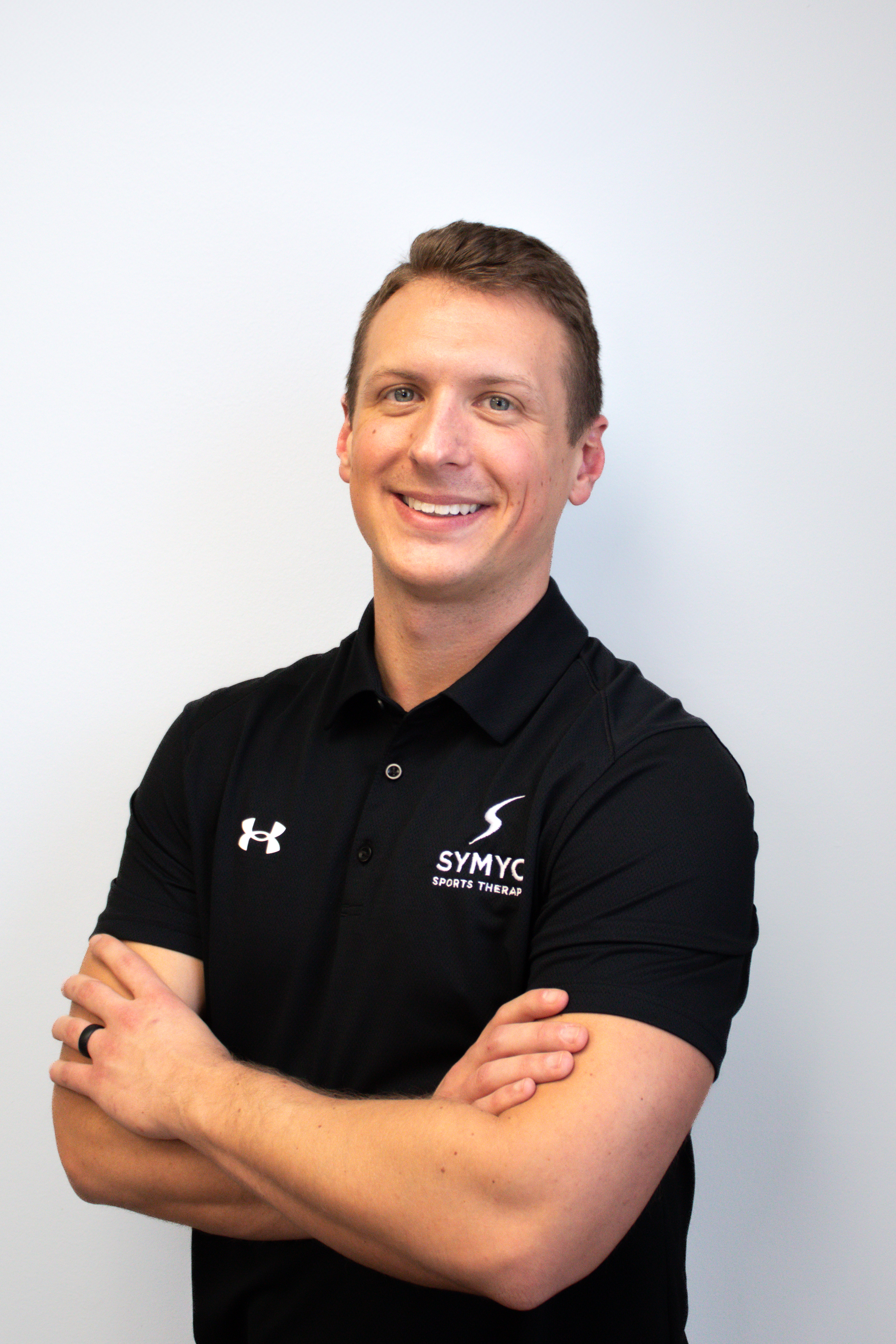
I'm Dr. Mitch Israel, a sports chiropractor and rehab specialist and the owner of SYMYO Sports Therapy in Farmington Hills, Michigan.
I created SYMYO to help people do more than temporarily feel better.
My goal is to help you understand your body, improve what actually needs improving, and build the strength and confidence to keep doing the things you enjoy.
When general advice is not enough, a personalized assessment and plan can make the difference.
SYMYO Sports Therapy
33930 West 8 Mile Road, Suite 2AFarmington Hills, MI 48335
Serving Farmington Hills, Novi, Northville, Livonia, Plymouth, West Bloomfield, Farmington, and surrounding Metro Detroit.