Lower Back · Mobility
How Do You Release Quadratus Lumborum (QL) Muscle?
A one-sided ache or tight feeling in your lower back can make bending, walking, and exercise uncomfortable. Here are a few gentle options—and a way to think beyond the spot that feels tight.
By Dr. Mitch Israel
Originally published February 1, 2025 · Updated October 15, 2026
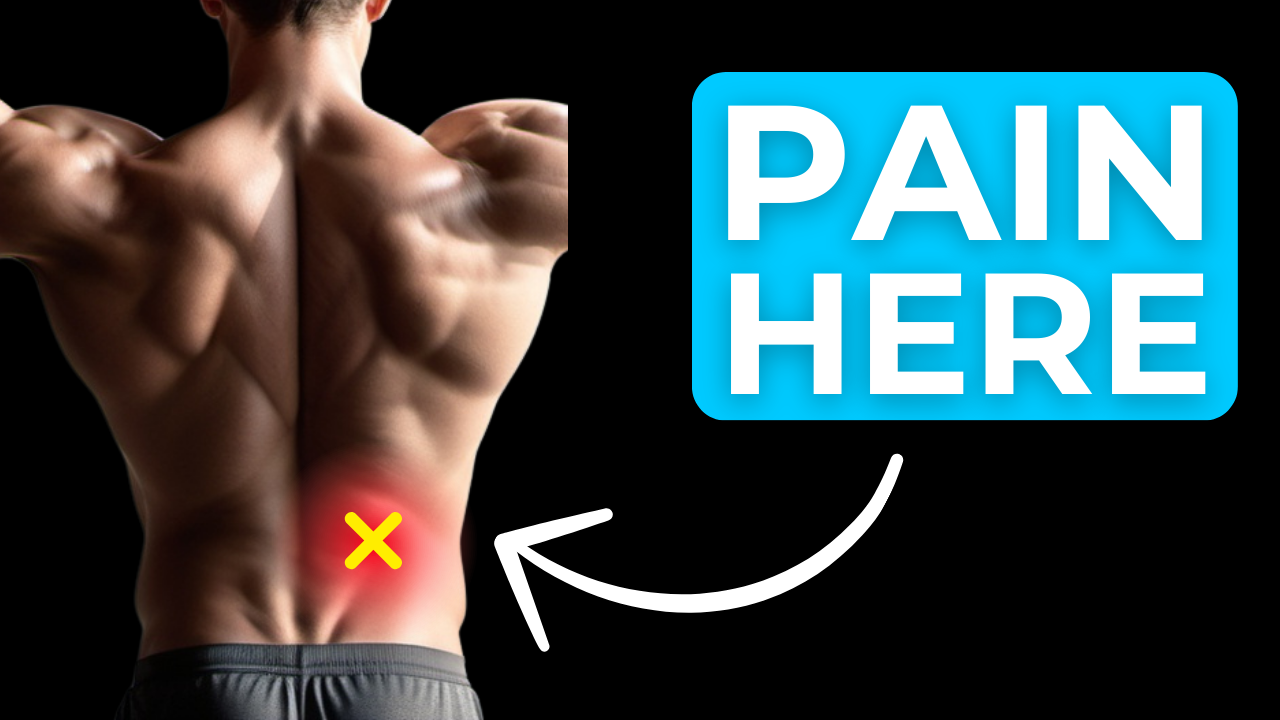
Do you notice tightness on one side of your lower back? You might stretch it or press on the area and feel temporary relief, only for the same sensation to return later.
The quadratus lumborum, or QL, is one muscle in your lower back. But where you feel tight does not prove which tissue is causing your symptoms. Lower-back discomfort can have several contributors.
I'm Dr. Mitch Israel, owner of SYMYO Sports Therapy in Farmington Hills. I look at how your back and hips move, what your strength and control are like, and how those things connect to your daily activities.
Watch: QL Movement and Exercise Options
My original video demonstrates a child's-pose side reach, kneeling side bends, and side-plank hip dips. Try only movements that feel comfortable and controlled.
Prefer to watch on YouTube? Open the exercise video →
What Does the QL Do?
The quadratus lumborum sits on both sides of the lower back, between the top of the pelvis, the lower spine, and the bottom rib. It helps bend your trunk sideways and works with other muscles to support your trunk and pelvis.
You use it while standing, walking, carrying things, and moving from side to side. It is part of a larger system, so a sore spot does not tell the whole story.
Why Might One Side Feel Tight?
There is no single explanation for a tight feeling. Recent changes in training, lifting, walking, time spent in one position, hip movement, and recovery can all be worth considering.
Simple self-checks like a toe touch or a side bend cannot identify the QL as the cause. Notice what activities bring on symptoms and whether they ease, stay the same, or get worse afterward.
1. Reduce Tension With a Gentle Side Reach
The video starts with a child's-pose side reach. This can provide a gentle stretch along the side of your trunk.
- Start on your hands and knees. If comfortable, sit your hips back toward your heels.
- Walk your hands a little to one side until you feel a mild stretch on the opposite side.
- Breathe normally and stay for a few comfortable breaths.
- Return to the middle, then try the other side.
Keep the stretch mild. If kneeling or reaching makes your back hurt, stop and choose a different movement.
2. Restore Comfortable Side Bending
Kneeling side bends let you explore side-to-side movement without trying to force more range.
- Kneel or sit in a position that feels steady and comfortable.
- Keep your hips relaxed and slowly lean your trunk to one side.
- Return to the middle with control, then try the other side.
- Begin with a few repetitions and keep the motion within a comfortable range.
You do not need to move one vertebra at a time or reach a specific distance. Smooth, comfortable movement is enough to start.
3. Build Trunk Strength Gradually
The video demonstrates side-plank hip dips. This exercise challenges the muscles along your trunk and hips. It may be too difficult if you are just starting or if it reproduces your pain.
- Begin with a side plank from your knees or against a wall to make it easier.
- Keep your shoulder comfortable and your body steady.
- If that feels manageable, lower your hip a small amount and lift it back with control.
- Start with a few repetitions. Stop if pain increases or your form becomes difficult to control.
Build the challenge over time as your strength improves. The goal is to find a level you can repeat comfortably, not to push through pain.
Why Does the Tight Feeling Keep Coming Back?
Stretching or massage may change how the area feels for a while. If the same discomfort returns, it can help to look at your back and hips together, and consider how your current activities load them.
At SYMYO, we use Reduce, Restore, Reinforce: reduce symptoms, restore useful movement, and reinforce it with strength and control. The plan depends on what your assessment shows.
If recurring back symptoms keep interrupting exercise or daily life, explore lower-back pain care at SYMYO or read about our Movement & Performance Assessment.
Stop any exercise that causes pain or makes symptoms worse. Seek urgent medical advice for new bowel or bladder problems, numbness around the groin, significant weakness, or severe pain after an injury. This article is general education and does not replace individual care.
Common Questions About the QL Muscle
What is the quadratus lumborum?
The quadratus lumborum, or QL, is a deep muscle on each side of your lower back. It connects the pelvis to the lowest rib and nearby spine. It helps bend your trunk to the side and supports movement and stability.
How do you know if your QL is tight?
An ache or tight feeling along one side of your lower back does not confirm that the QL is the cause. Other muscles, joints, and areas can create similar symptoms. A toe touch or side bend is not a reliable way to diagnose a QL problem.
Can I use a ball to release the QL?
Some people find gentle pressure comfortable, but avoid pressing on your spine, ribs, or a painful spot. Use light pressure over the muscles beside the spine, stop if symptoms increase, and do not treat the ball as a fix for recurring pain.
How often should I do these exercises?
There is no single schedule that fits everyone. Start with a small amount of comfortable movement and notice how you feel during and afterward. Adjust the range or repetitions if symptoms worsen.
Want to Understand How Your Body Is Actually Moving?
If you have tried to fix your posture, loosen tight muscles, or follow random exercises and still do not know what your body needs, an assessment can help.
The SYMYO Movement & Performance Assessment measures your mobility, strength, balance, posture, and overall movement. You will understand what is working well, where there is room to improve, and what deserves attention.
Learn About the AssessmentAbout Dr. Mitch Israel
I'm Dr. Mitch Israel, a sports chiropractor and rehab specialist and the owner of SYMYO Sports Therapy in Farmington Hills, Michigan.
I created SYMYO to help people do more than temporarily feel better.
My goal is to help you understand your body, improve what actually needs improving, and build the strength and confidence to keep doing the things you enjoy.
When general advice is not enough, a personalized assessment and plan can make the difference.
SYMYO Sports Therapy
33930 West 8 Mile Road, Suite 2AFarmington Hills, MI 48335
Serving Farmington Hills, Novi, Northville, Livonia, Plymouth, West Bloomfield, Farmington, and surrounding Metro Detroit.