Neck & Shoulder Mobility
How to Release a Tight Levator Scapulae: 3 Gentle Exercises
A tight spot between your neck and shoulder blade can make desk work, training, and turning your head uncomfortable. These three movements give you a place to start.
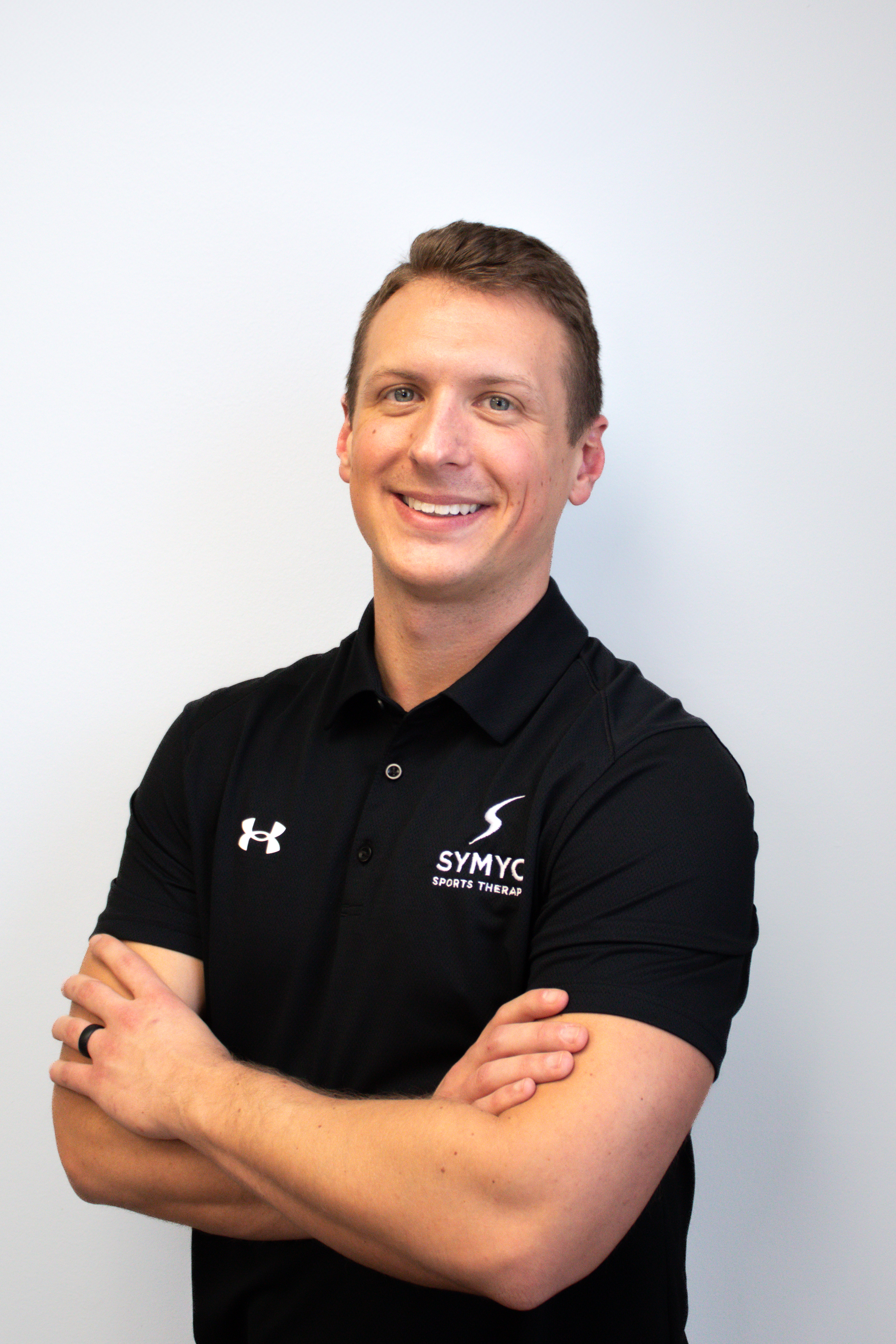
By Dr. Mitch Israel
Originally published June 10, 2024 · Updated October 15, 2026

Do you keep reaching for the same tight spot at the top of your shoulder? Maybe you stretch it, massage it, and feel a little better—only for the tension to return later.
The levator scapulae is one muscle in that area. It connects your upper neck to your shoulder blade. But feeling tight there does not prove that this muscle is the source of your pain, or that stretching it harder is the answer.
I'm Dr. Mitch Israel, the owner of SYMYO Sports Therapy in Farmington Hills. When neck and shoulder tightness keeps returning, I want to understand how the area moves and what your daily activities ask it to do.
The video below walks through a gentle stretch, an active stretch, and controlled neck movement. Use it as a starting point, then pay attention to how your body responds.
Watch: Three Exercises for a Tight Levator Scapulae
Follow along with my original demonstration. Keep the movements gentle and stay within a range you can control.
Prefer to watch on YouTube? Open the exercise video →
What Does the Levator Scapulae Do?
This muscle helps lift your shoulder blade and takes part in neck movement. You may notice discomfort near the upper inside corner of the shoulder blade or along the side of the neck.
Your neck, shoulders, and upper back work together. That is why an assessment looks beyond the spot that feels tight. We may need to consider neck movement, shoulder control, upper-back mobility, strength, and the positions you spend time in.
Why Does the Tightness Keep Coming Back?
Long periods in one position, stress, carrying loads, and repetitive work can all influence how your neck and shoulders feel. There is not one perfect posture that makes everyone pain-free. Changing positions and building tolerance for your activities can matter more than trying to hold yourself rigidly upright all day.
If stretching helps briefly but the same issue keeps returning, ask a broader question: what does this area need to handle your day more comfortably?
1. Start With a Gentle Levator Scapulae Stretch
The first exercise is a static stretch: moving into a comfortable position and holding it without forcing more range.
- Sit comfortably and let your shoulders relax.
- Turn your head slightly away from the side you want to stretch, then look down toward the opposite armpit.
- If you use a hand to guide your head, use light contact. Avoid pulling hard or pushing into pain.
- Hold a comfortable stretch for up to 30 seconds, then ease out and compare sides.
Use the video to check the setup. You are looking for a gentle stretch, not the strongest sensation you can create.
2. Try a Light Active Stretch
The second exercise adds a small muscle contraction before relaxing. This is often called post-isometric relaxation, or PIR.
- Set up in a comfortable stretch position.
- Use your hand as light resistance and gently try to move your head back toward its starting position. Your head should stay still.
- Hold that light effort for about five seconds, then relax.
- Return to a comfortable stretch. Only move farther if that range feels easy; do not force it.
This is a gentle movement option, not a test of neck strength. If it irritates the area, stop and get guidance on what is appropriate for you.
3. Explore Controlled Neck Movement
The third exercise uses cervical controlled articular rotations, or neck CARs. The goal is to explore the movement you have with slow control.
- Sit or stand comfortably and keep your shoulders relaxed.
- Slowly bring your chin toward your chest and move through the comfortable parts of the neck circle demonstrated in the video.
- Keep the circle small if needed. Avoid forcing the backward part of the movement or moving through a pinch.
- Try two or three slow repetitions in each direction, provided the movement stays comfortable.
Stay with the range you can control today. You do not need to match someone else's movement or chase a bigger circle.
How This Fits the SYMYO Approach
At SYMYO, we use Reduce, Restore, Reinforce: reduce symptoms, restore useful movement, and reinforce that movement with the control and strength you need.
A stretch may help you feel more comfortable. Controlled movement gives you a way to explore your range. If symptoms keep returning, the next step may be a more specific plan for how your neck, shoulders, and upper back handle daily activity and exercise.
For related starting points, explore our Posture Reset or learn about neck pain care in Farmington Hills.
Stop if an exercise causes pain, dizziness, or symptoms into your arm. Seek medical advice for persistent or worsening symptoms, new numbness or weakness, or neck pain following an injury. These exercises are general education and do not replace an individual assessment.
Common Questions About a Tight Levator Scapulae
Where is the levator scapulae?
The levator scapulae runs from the upper part of your neck to the upper inside corner of your shoulder blade. It helps lift your shoulder blade and takes part in neck movement.
Why does my levator scapulae keep feeling tight?
The feeling can be influenced by your daily positions, stress, training, and how your neck and shoulder move. The location of tightness alone does not tell you what is causing it. If relief from stretching keeps wearing off, a broader assessment can help identify what needs attention.
Should I stretch my levator scapulae every day?
Gentle movement may be useful, but more stretching is not always the answer. Start with a small amount, stay within a comfortable range, and notice how you feel afterward. Get individual advice if the area stays painful or your symptoms get worse.
Can these exercises fix neck pain permanently?
No exercise routine can promise that. These movements offer a starting point for comfortable neck movement. Persistent or recurring symptoms may need a plan based on your mobility, strength, daily demands, and assessment findings.
General exercise guidance: NHS flexibility exercises and AAOS spine conditioning.
Want to Understand How Your Body Is Actually Moving?
If you have tried to fix your posture, loosen tight muscles, or follow random exercises and still do not know what your body needs, an assessment can help.
The SYMYO Movement & Performance Assessment measures your mobility, strength, balance, posture, and overall movement. You will understand what is working well, where there is room to improve, and what deserves attention.
Learn About the AssessmentAbout Dr. Mitch Israel
I'm Dr. Mitch Israel, a sports chiropractor and rehab specialist and the owner of SYMYO Sports Therapy in Farmington Hills, Michigan.
I created SYMYO to help people do more than temporarily feel better.
My goal is to help you understand your body, improve what actually needs improving, and build the strength and confidence to keep doing the things you enjoy.
When general advice is not enough, a personalized assessment and plan can make the difference.
SYMYO Sports Therapy
33930 West 8 Mile Road, Suite 2AFarmington Hills, MI 48335
Serving Farmington Hills, Novi, Northville, Livonia, Plymouth, West Bloomfield, Farmington, and surrounding Metro Detroit.