From SYMYO Sports Therapy
How Old Does Your Body Move? Find Out Why
How old does your body move? Learn how mobility, strength, balance, and movement habits shape your Movement Age and what to improve first for active years.
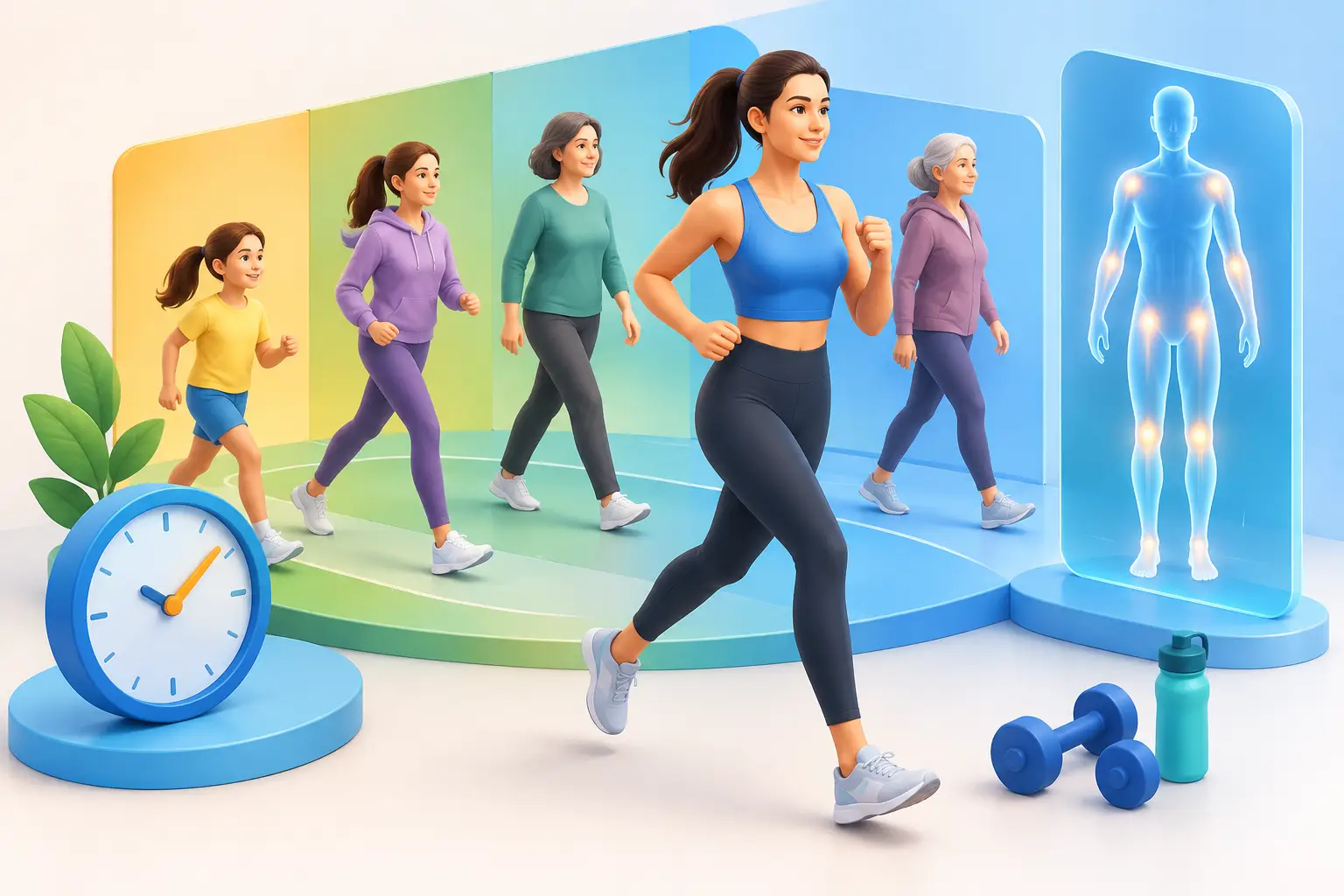
A 52-year-old who strength trains, hikes, and gets up from the floor easily may move younger than their age. A 42-year-old whose hips feel stiff, knees ache on stairs, and back tightens after a long drive may move older. That is the practical question behind how old does your body move. It is not a judgment about your age or fitness level. It is a way to look at how well your body currently handles the movements your life demands.
Your calendar age is fixed. Your movement capacity is not. Mobility, strength, balance, coordination, and the ability to tolerate activity can all improve with the right plan. They can also decline when pain, old injuries, inactivity, or poorly matched exercise routines start limiting what you do.
What Does It Mean When Your Body Moves Older?
Movement age is a useful way to describe whether your physical function resembles that of someone younger, older, or roughly the same as your chronological age. It considers more than whether you can touch your toes or finish a workout. It looks at the whole body and how its systems work together.
For an active adult, moving older might show up as needing extra time to loosen up before golf, avoiding a deep squat because of knee discomfort, losing balance when stepping off a curb, or feeling unusually sore after a workout you used to handle easily. It may also mean you are still exercising, but doing less because your shoulder, hip, or back keeps becoming the limiting factor.
None of these signs automatically points to one diagnosis. Pain and stiffness can have many contributing factors. But they are worth paying attention to, especially when the same limitation keeps changing how you train, play, work, or move through a normal day.
The Physical Qualities That Shape Movement Age
A useful movement assessment does not reduce your physical health to one test. Your body needs several qualities to work together, and one weak area can change how you compensate elsewhere.
Mobility is more than flexibility
Mobility is your ability to move a joint through a useful range of motion with control. You may have enough hip motion to walk comfortably but not enough to squat, deadlift, get into a low car, or rotate through a golf swing without shifting stress somewhere else.
Stiff ankles can affect how you squat and climb stairs. Limited upper-back or shoulder motion may change how you press, reach, or carry. Mobility matters, but forcing more range is not always the answer. The goal is usable motion that your body can control.
Strength creates options
Strength gives you more choices in daily life and exercise. It helps you rise from a chair, carry groceries, absorb force when you land, and keep training without every activity feeling like a major physical event.
Many adults assume they need to stop lifting when aches appear. Sometimes reducing load temporarily makes sense. But long-term avoidance can reduce capacity further. A better question is often: what type and level of strength work can your body tolerate now, and how can it progress from there?
Balance and coordination reveal how well you adapt
Balance is not only about standing on one leg. It is your ability to control your center of mass while reaching, walking, changing direction, or recovering from a small loss of footing. Coordination is how efficiently your body organizes those movements.
These qualities become more relevant with age, but they are trainable at any stage. If you feel unsteady during lunges, struggle to control stairs, or notice one side feels dramatically less stable, that information can help prioritize your training.
Capacity determines what you can keep doing
Capacity is your ability to handle repeated demands. You might be able to do one deep squat but not tolerate a full workout. You may be able to run three miles once, then have hip or knee pain for the next several days.
That does not necessarily mean you should never squat or run. It may mean your current workload exceeds what your body is prepared to recover from. Building capacity usually requires a gradual combination of mobility, stability, strength, and exposure to the activities you want to return to.
Why Pain Is Not the Only Measurement That Matters
Pain deserves attention, particularly when it is severe, follows a significant injury, causes numbness or weakness, or does not improve as expected. But pain alone does not give the full picture of physical function.
Two people can report the same level of back discomfort and have very different movement profiles. One may have good lower-body strength but poor tolerance for prolonged sitting. Another may move well in daily life but lack trunk control and hip strength under heavier loads. Treating only the painful spot may overlook factors that may be contributing to why the issue keeps returning.
This is why a whole-body assessment can be valuable. It creates clear measurements rather than relying on guesswork or a generic exercise list. At SYMYO Sports Therapy, a Movement & Performance Assessment evaluates posture, mobility, balance, strength, core stability, body composition, and key movement patterns using AI-assisted movement analysis and physical testing. The result is a Physical Health Report and Movement Age™ score that help identify what needs to improve first.
How Old Does Your Body Move During Real Life?
You do not need a formal score to notice patterns, although a detailed assessment can make those patterns much clearer. Consider how your body responds to common activities over a few weeks rather than judging a single good or bad day.
Pay attention to whether you can get down to and up from the floor without using furniture, carry uneven loads without feeling unstable, climb stairs with control, turn your head comfortably while driving, or recover normally after the activities you enjoy. Notice whether one side consistently feels weaker, tighter, or less coordinated.
Also consider the gap between what you want to do and what you currently do. If you used to play tennis twice a week but now skip it because your shoulder flares up, that gap matters. If you avoid strength training because your knee feels unreliable, that matters too. The goal is not to prove toughness by pushing through every symptom. It is to understand your current starting point and build back toward the activities that matter to you.
What to Improve First Depends on Your Starting Point
The common mistake is choosing the most popular solution instead of the most relevant one. More stretching is not automatically helpful if strength and control are the bigger limitation. Heavy lifting is not the first move if your current movement quality or pain response makes loading poorly tolerated. Rest can calm an irritated area, but rest alone does not build the capacity required for a return to activity.
A clear plan usually starts by reducing the barriers that make movement difficult, then restoring the mobility and control you need, and finally reinforcing those gains with progressive strength training. This Reduce, Restore, Reinforce approach gives each phase a purpose. It also avoids the false choice between hands-on care and exercise. When appropriate, both can be part of a structured plan.
Progress should be measurable. Maybe your goal is deeper, more comfortable squatting. Maybe it is completing a round of golf without your back tightening on the final holes, returning to the gym consistently, or feeling more confident running with your kids. The right measurements connect directly to the life and activities you want to keep doing.
Your Movement Age Is a Starting Point, Not a Label
A Movement Age score should not make you feel behind. It should help you see where you are now and what can move the needle. If your body moves older than you expected, that is useful information. If it moves younger, there may still be opportunities to protect and build on what is working well.
For active adults in Farmington Hills and across Metro Detroit, the best next step is rarely a random online mobility routine or another attempt to push through the same recurring problem. Start with clear measurements, understand the whole-body factors that may be holding you back, and build a plan that helps you move better and get stronger.
The most valuable question is not whether you can move exactly like you did at 25. It is whether your body is becoming more capable of supporting the life you want to live next month, next year, and well beyond.
Want to Understand How Your Body Is Actually Moving?
If you have tried to fix your posture, loosen tight muscles, or follow random exercises and still do not know what your body needs, an assessment can help.
The SYMYO Movement & Performance Assessment measures your mobility, strength, balance, posture, and overall movement. You will understand what is working well, where there is room to improve, and what deserves attention.
Learn About the AssessmentAbout Dr. Mitch Israel
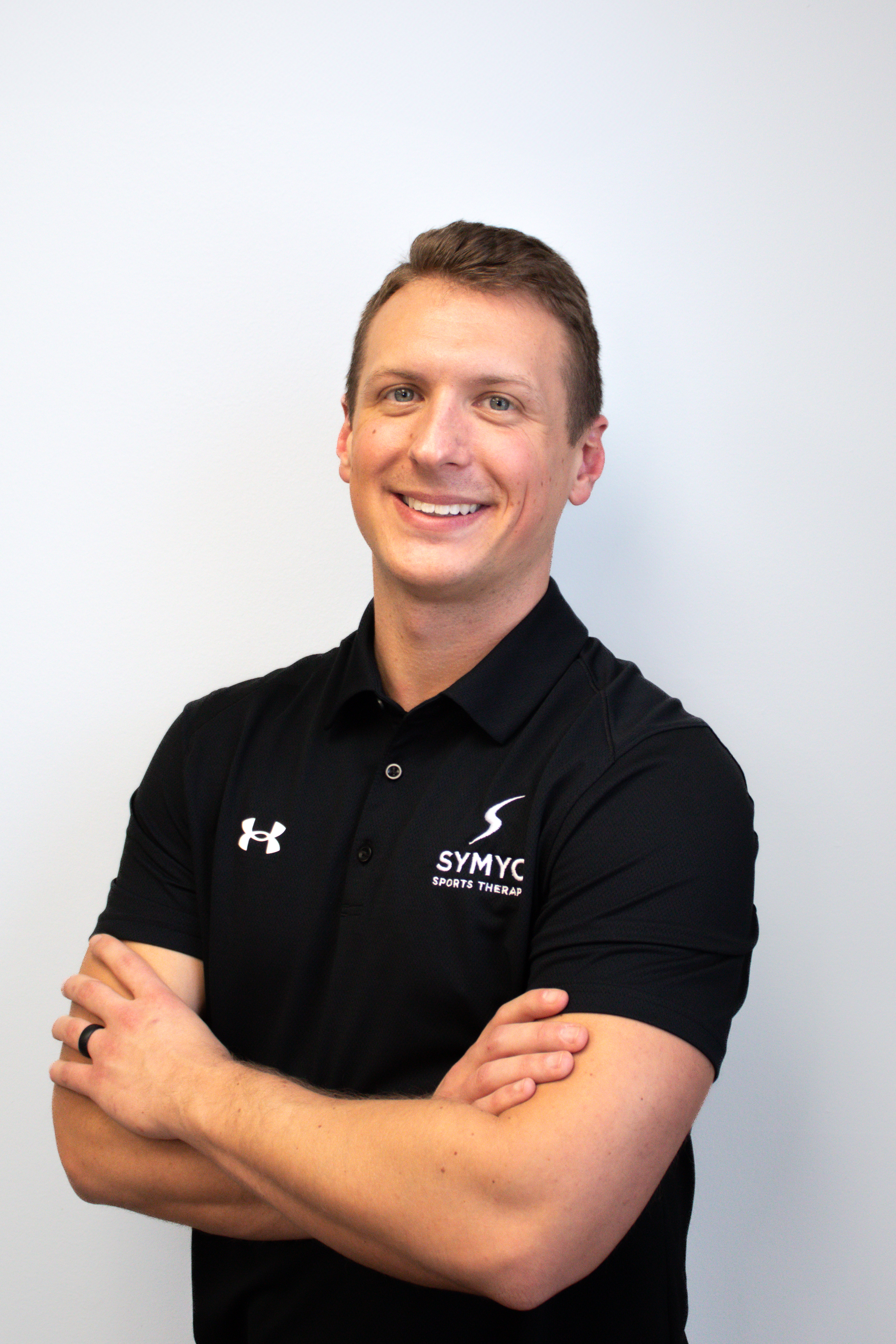
I'm Dr. Mitch Israel, a sports chiropractor and rehab specialist and the owner of SYMYO Sports Therapy in Farmington Hills, Michigan.
I created SYMYO to help people do more than temporarily feel better.
My goal is to help you understand your body, improve what actually needs improving, and build the strength and confidence to keep doing the things you enjoy.
When general advice is not enough, a personalized assessment and plan can make the difference.
SYMYO Sports Therapy
33930 West 8 Mile Road, Suite 2AFarmington Hills, MI 48335
Serving Farmington Hills, Novi, Northville, Livonia, Plymouth, West Bloomfield, Farmington, and surrounding Metro Detroit.