From SYMYO Sports Therapy
How to Improve Mobility After 40 Without Guesswork
Learn how to improve mobility after 40 with clear steps that build range, stability, and strength for confident, active years ahead with fewer setbacks.
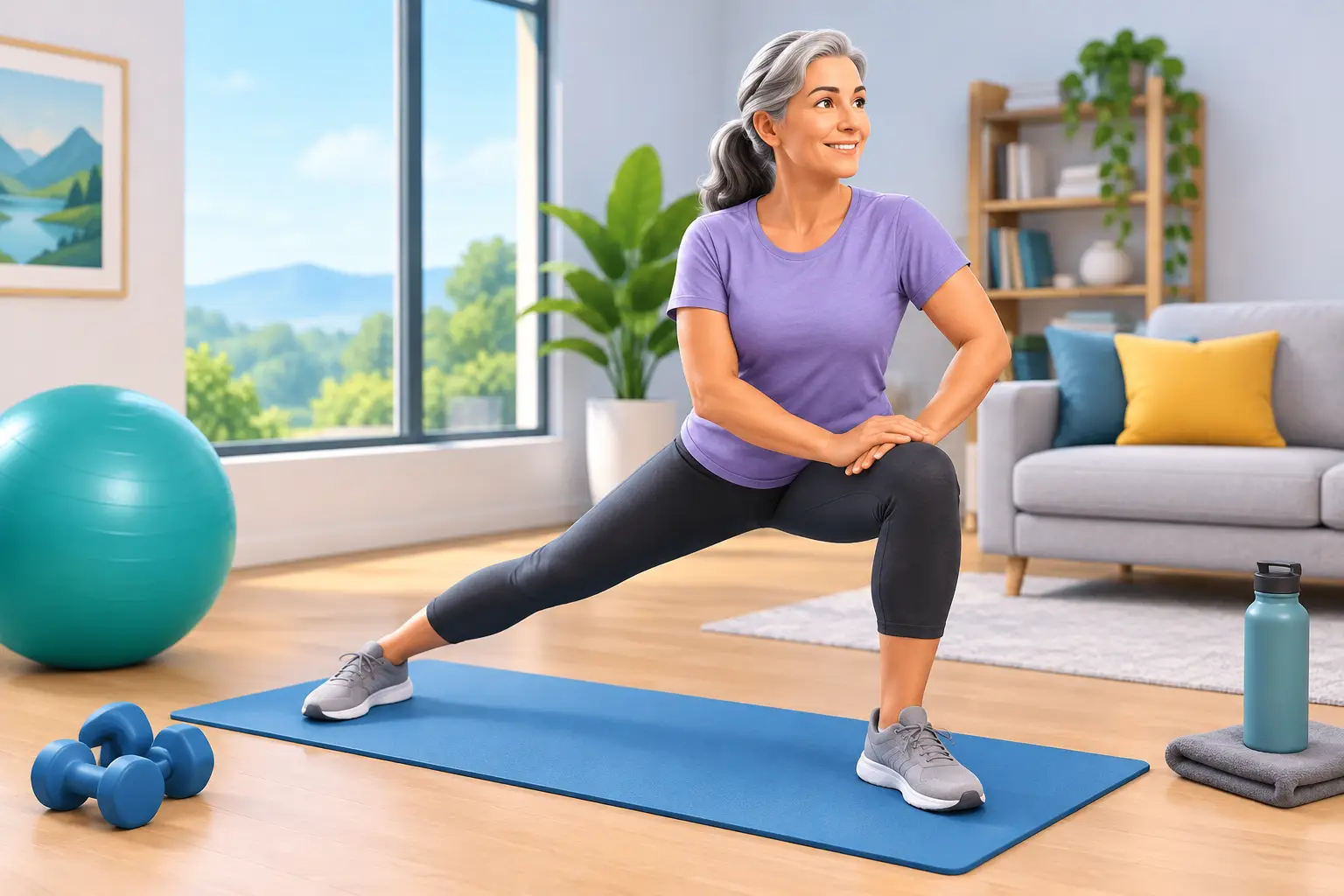
Your body may not be asking you to stop lifting, running, golfing, or playing weekend sports. It may be asking for a better plan. Learning how to improve mobility after 40 is less about forcing deeper stretches and more about understanding what is limiting your movement, then building the strength and control to use that movement well.
Many active adults notice the change gradually. Squatting feels less comfortable than it used to. Reaching overhead irritates a shoulder. A long drive creates hip or back stiffness. You warm up longer before a workout, yet the same old ache returns when you increase your activity. Those changes are common, but they are not a reason to settle for doing less.
Mobility Is More Than Flexibility
Flexibility is the ability of a muscle or tissue to lengthen. Mobility is your ability to move a joint through a useful range with control. That distinction matters.
You may be able to pull your knee toward your chest, for example, but still lack the hip control to squat, climb stairs, or run comfortably. You may have enough shoulder range to reach overhead, but not enough strength or coordination to press a weight, serve a tennis ball, or place luggage in an overhead bin without discomfort.
Good mobility depends on several factors working together: joint range of motion, muscle flexibility, strength, balance, coordination, and tolerance for load. Pain, prior injuries, long periods of sitting, and repeated training habits can all influence the picture. That is why copying a random mobility routine from social media does not always solve the problem.
Why Mobility Can Change After 40
Age alone does not make you destined to become stiff. But the demands on your body often change. Work may involve more sitting and commuting. Training can become less consistent. Old injuries that were once easy to ignore may start affecting how you move. Recovery may also take more intention than it did at 25.
Just as important, many people gradually lose strength at the edges of their available range. If you rarely squat deeply, rotate through your upper back, balance on one leg, or load your shoulders overhead, those movements can feel unfamiliar and less stable over time.
The answer is not to chase maximum range everywhere. A gymnast-level hip or shoulder range is not necessary for most adults. The goal is usable movement for the activities you value, whether that is strength training, running, golf, pickleball, yard work, or getting up from the floor with confidence.
How to Improve Mobility After 40: Start With an Assessment
Before adding more stretches, identify what needs to improve first. The stiff area is not always the only area involved. A tight-feeling hip may be associated with limited ankle movement, poor trunk control, reduced single-leg strength, or a training load that has progressed too quickly. A shoulder limitation may involve the upper back, shoulder blade control, strength, and the demands of your sport or job.
A useful movement assessment looks at the whole body rather than only the painful spot. It should consider posture, mobility, balance, strength, core stability, and movement patterns such as squatting, hinging, reaching, rotating, and single-leg control.
Clear measurements matter because they turn a vague goal like “I want to feel less stiff” into a practical plan. You can identify whether your biggest opportunity is ankle range, hip strength, thoracic rotation, balance, or the way you load a particular movement. Then you can track progress instead of guessing whether your routine is helping.
At SYMYO Sports Therapy, this type of whole-body evaluation is used to identify what may be holding someone back and prioritize the next steps. The goal is not to label every asymmetry as a problem. It is to understand which findings matter for your goals, symptoms, and activities.
Build Range You Can Control
Passive stretching can feel good, and it may have a place in a mobility plan. But stretching alone often does not create lasting change if your body does not feel strong or stable in the new range.
A more complete approach uses controlled movement. For hips, that could mean a supported deep squat hold followed by split squats or step-ups. For ankles, it could mean knee-over-toe ankle movements followed by calf raises and controlled single-leg work. For the upper back and shoulders, it may include rotation drills and reaching exercises followed by rows, carries, or pressing variations that match your current ability.
The pattern is simple: first access the range, then own it. This does not mean every exercise needs to be difficult. It means your mobility work should eventually connect to a movement your body needs to perform.
Start with a range that feels manageable. Pushing aggressively into a painful or pinching position can make it harder to stay consistent. Mild muscular effort and temporary discomfort during exercise can be normal, but sharp pain, worsening symptoms, numbness, tingling, unexplained weakness, or pain after a significant injury should be assessed by an appropriate healthcare professional.
Use Strength as Mobility Training
Strength training is one of the most practical ways to maintain mobility after 40 because it asks your body to control movement under load. A well-performed squat develops hip, knee, and ankle mobility while strengthening the legs. A Romanian deadlift trains a hip hinge while building posterior-chain strength. Rows and overhead presses can support shoulder function when the range and load are appropriate.
The trade-off is that strength exercises must match your current capacity. Loading too much, too soon can aggravate an irritated area. Avoiding all loading, however, can leave you underprepared for the real demands of life and recreation. Progressive loading is the middle ground: enough challenge to build capacity, with changes made gradually and based on how your body responds.
Make Mobility Specific to Your Life
The best mobility routine is not necessarily the longest one. It is the one that prepares you for what you want to do.
A runner may need ankle control, hip extension, and single-leg strength. A golfer may benefit from hip and upper-back rotation along with balance and core control. Someone returning to the gym may need to improve squat depth, shoulder tolerance, and hinge mechanics. Someone who sits at a desk may need movement breaks, upper-back motion, and strength work that counters a day spent in one position.
This is why a generic 10-minute routine can be helpful but limited. It can maintain a baseline, yet it may not address the movement pattern that repeatedly breaks down during your favorite activity. Specificity becomes more valuable when you have recurring pain, a history of injury, or a goal that requires more than general fitness.
A Practical Weekly Framework
For most active adults, mobility improves with consistent exposure rather than occasional marathon stretching sessions. A realistic starting point is brief mobility work most days and two to three strength sessions each week.
Use five to 10 minutes before exercise to practice the movements you need that day. If you are training legs, prioritize ankles, hips, and squat or hinge patterning. If you are training upper body, include upper-back rotation, shoulder blade control, and comfortable overhead or reaching positions.
Then use your strength sessions to reinforce those ranges. Choose exercises you can perform with good control, leave room for gradual progress, and do not treat every workout as a test. On non-training days, walking, easy cycling, or a short movement break after prolonged sitting can help you maintain frequency without adding much fatigue.
Consistency beats intensity here. Twenty focused minutes performed several times a week usually does more than an ambitious plan you abandon after 10 days.
Know When Stiffness Needs More Than a Home Routine
Some limitations respond well to a thoughtful self-directed plan. Others need a closer look. Consider a professional assessment if pain keeps returning when you resume activity, one side feels noticeably weaker or less stable, you are changing how you walk or move to avoid discomfort, or your progress has stalled despite consistent effort.
A sports rehabilitation approach can combine hands-on treatment, corrective exercise, mobility work, and progressive strength training when appropriate. The purpose is not passive care alone. It is to reduce barriers, restore useful movement, and reinforce it with the strength and confidence needed to stay active.
Your mobility after 40 does not have to be measured by whether you can touch your toes. Measure it by what your body lets you do: train with confidence, play hard, recover well, and keep saying yes to the activities that make you feel like yourself.
Want to Understand How Your Body Is Actually Moving?
If you have tried to fix your posture, loosen tight muscles, or follow random exercises and still do not know what your body needs, an assessment can help.
The SYMYO Movement & Performance Assessment measures your mobility, strength, balance, posture, and overall movement. You will understand what is working well, where there is room to improve, and what deserves attention.
Learn About the AssessmentAbout Dr. Mitch Israel
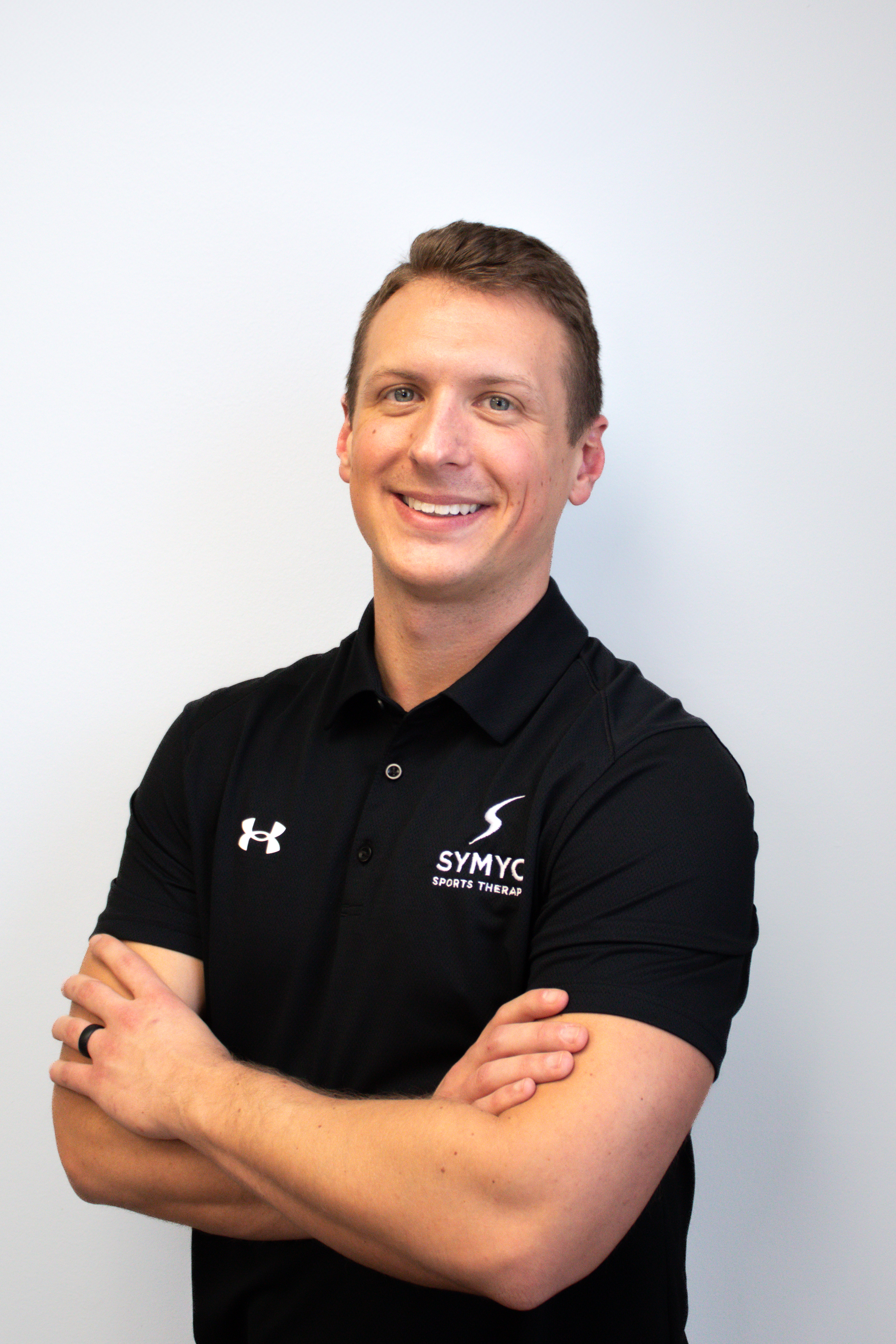
I'm Dr. Mitch Israel, a sports chiropractor and rehab specialist and the owner of SYMYO Sports Therapy in Farmington Hills, Michigan.
I created SYMYO to help people do more than temporarily feel better.
My goal is to help you understand your body, improve what actually needs improving, and build the strength and confidence to keep doing the things you enjoy.
When general advice is not enough, a personalized assessment and plan can make the difference.
SYMYO Sports Therapy
33930 West 8 Mile Road, Suite 2AFarmington Hills, MI 48335
Serving Farmington Hills, Novi, Northville, Livonia, Plymouth, West Bloomfield, Farmington, and surrounding Metro Detroit.