From SYMYO Sports Therapy
Return to Exercise After Injury Without Guesswork
A practical plan for a confident return to exercise after injury, using pain signals, progressive loading, and clear measures of readiness for training.

That first workout after time away can feel like a test. You may be eager to get back to lifting, running, golf, pickleball, or the classes that make you feel like yourself. But a return to exercise after injury is rarely about proving you can push through one good day. It is about building enough capacity that your body can handle the next workout, the following week, and the demands of real life without the same area repeatedly flaring up.
For active adults, the frustrating pattern is familiar: pain settles down, activity resumes at the old level, and the knee, shoulder, back, or hip becomes irritated again. That does not necessarily mean the original activity is bad for you. It may mean your current mobility, strength, coordination, recovery, or training volume does not yet match what that activity requires.
Do Not Use Pain Relief as Your Only Green Light
Less pain is encouraging, but it is not a complete readiness test. Symptoms can improve before strength, balance, movement control, and confidence have caught up. A runner may be able to walk without knee pain but still lack the single-leg control needed for repeated impact. A golfer may have less back stiffness but still be unprepared for a full bucket of balls followed by 18 holes.
The goal is not to wait until your body feels perfect. Minor stiffness or mild discomfort can occur during a sensible rebuild, especially after a period of reduced activity. The more useful question is whether symptoms are predictable and manageable.
A practical guide is the 24-hour response. During exercise, discomfort should generally stay mild, not build sharply, and not force you to change your movement significantly. By the next day, you should be close to your usual baseline. If pain escalates during the session, lingers well beyond it, disrupts sleep, or leaves you progressively worse the next morning, the workout likely exceeded your current capacity.
This is not a reason to fear movement. It is useful feedback. Reduce one variable, then try again. That might mean less weight, fewer repetitions, a shorter range of motion, lower speed, fewer total sessions, or more recovery between workouts.
Return to Exercise After Injury Starts With the Demand
Many people ask, “What exercise should I do?” A better starting point is, “What do I want my body to be able to do?” The answer changes the plan.
Returning to strength training after shoulder pain has different demands than returning to tennis. Getting back to running requires more than completing a pain-free leg extension. Running asks your body to repeatedly absorb force on one leg, maintain control as you fatigue, and tolerate a growing amount of impact. A desk worker returning to the gym may need to rebuild hip mobility, trunk control, and basic lower-body strength before adding barbell loading.
This is why an exercise plan should not be based only on the painful body part. The painful area deserves attention, but the whole body matters. Limited ankle motion may affect how someone squats after knee pain. Reduced hip strength or poor trunk control may be one factor in a recurring back or running complaint. These are not automatic explanations for pain. They are potential contributors worth measuring and addressing when they match the person’s goals and movement demands.
A thorough assessment can clarify what needs to improve first. At SYMYO Sports Therapy, this means looking beyond symptoms at mobility, balance, strength, core stability, and movement patterns, then connecting the findings to the activities a client wants to return to.
Build Capacity in the Right Order
A successful return is usually progressive, not dramatic. You do not need to start with the exact exercise that caused the flare-up. Start with a version your body can perform well, then gradually make it more demanding.
First, restore useful movement
This may include regaining comfortable motion in the hip, shoulder, ankle, or spine, but mobility work alone is not the finish line. The goal is usable range of motion that you can control. If you can reach overhead but cannot control that position under even light resistance, adding more mobility drills may not be the highest priority.
Then, reinforce control and strength
Strength-based rehabilitation is where many returns either gain momentum or stall. Muscles, tendons, joints, and your nervous system adapt to appropriately applied load. Beginning with controlled movements can help you practice positions, improve confidence, and identify tolerable training levels.
For example, someone returning to squatting after knee pain might begin with a box squat, split squat hold, or controlled step-up before progressing depth, load, speed, or volume. Someone returning to pressing after shoulder pain may start with a modified push-up, cable press, or dumbbell variation before returning to heavier barbell work. The best choice depends on the person, the injury history, their current ability, and the activity they are working toward.
Finally, practice the actual activity
General strength creates options, but eventually you need to prepare for the activity itself. A runner needs a gradual return to impact and running volume. A recreational athlete needs to regain change-of-direction capacity. A golfer needs to tolerate rotation and repeated swings. A gym-goer needs to progressively rebuild the patterns and loads they value.
This step is often rushed because it feels like the real return. In reality, it is the final stage of preparation. Give it the same structure as rehabilitation: begin below your limit, monitor the response, and progress one meaningful variable at a time.
Change One Variable at a Time
The quickest way to lose track of a flare-up is to increase everything at once. You add weight, train more often, extend the workout, and introduce a new exercise in the same week. When symptoms return, there is no clear answer about what exceeded capacity.
Choose one main progression. Increase weight while keeping repetitions stable, or add a few repetitions while keeping the weight the same. Add running time before adding speed. Restore squat depth before chasing a heavier load. This approach may feel slower at first, but it produces clearer information and more dependable progress.
Training logs are useful here, especially for recurring injuries. Track the exercise, sets, reps, load, symptoms during the session, and how you feel the next morning. You do not need a complicated spreadsheet. A note on your phone can reveal patterns that memory misses, such as a shoulder that tolerates pressing twice weekly but becomes irritated when overhead work is added on consecutive days.
Use Readiness Markers, Not Just Motivation
Motivation is valuable, but it is not a physical measurement. Before moving to a more demanding phase, look for signs that your body is handling the current one well:
- You can complete the current workout with controlled form and no major compensation.
- Symptoms stay mild and return to baseline within about 24 hours.
- You are recovering between sessions rather than feeling progressively more irritated.
- Your strength, balance, range of motion, or endurance is improving in ways that match your goal.
- You feel more confident performing the movement instead of bracing for pain each time.
Not every marker must be perfect. The point is to make decisions with more than enthusiasm or fear. Clear measurements can show whether you are ready to progress, need more time at the current level, or should adjust the plan.
Know When to Get More Specific Help
Some setbacks are appropriate to manage with a temporary reduction in activity and a more gradual rebuild. Others deserve an individualized evaluation. Seek care promptly after a significant trauma, visible deformity, inability to bear weight or use a limb, rapidly increasing swelling, numbness or weakness, or symptoms that are severe, unusual, or worsening.
It is also worth getting assessed when the same issue keeps returning, you cannot identify a tolerable starting point, or you have been modifying workouts for weeks without meaningful progress. A whole-body movement assessment can help distinguish between “I need to be more patient with the progression” and “there may be a specific limitation or training mismatch that needs attention.”
Returning to exercise is not about avoiding every uncomfortable sensation or earning permission to resume your old program overnight. It is about learning what your body can handle now, improving what needs to improve first, and building from there. The right plan should leave you feeling capable, informed, and increasingly ready for the active life you want to keep.
Want to Understand How Your Body Is Actually Moving?
If you have tried to fix your posture, loosen tight muscles, or follow random exercises and still do not know what your body needs, an assessment can help.
The SYMYO Movement & Performance Assessment measures your mobility, strength, balance, posture, and overall movement. You will understand what is working well, where there is room to improve, and what deserves attention.
Learn About the AssessmentAbout Dr. Mitch Israel
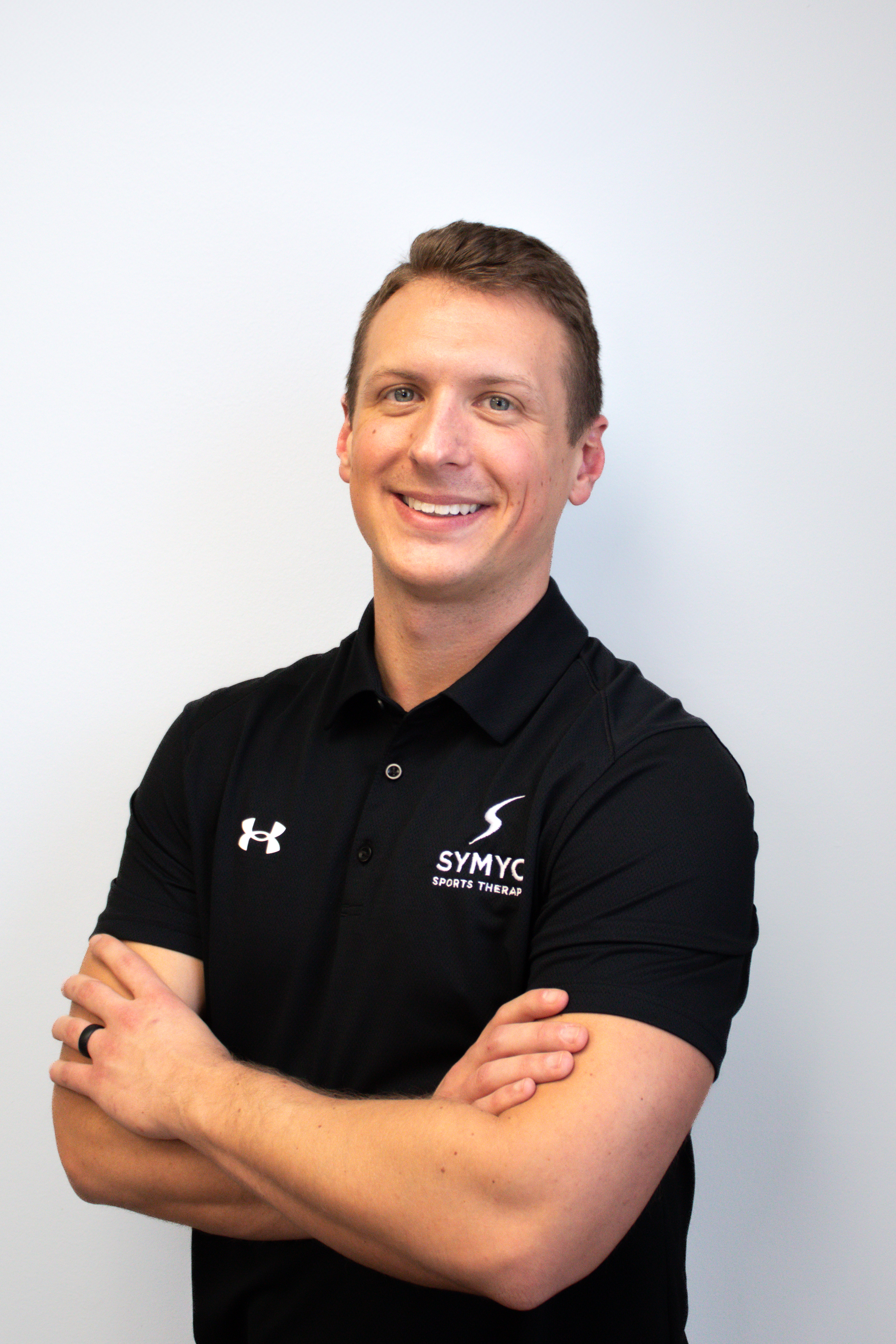
I'm Dr. Mitch Israel, a sports chiropractor and rehab specialist and the owner of SYMYO Sports Therapy in Farmington Hills, Michigan.
I created SYMYO to help people do more than temporarily feel better.
My goal is to help you understand your body, improve what actually needs improving, and build the strength and confidence to keep doing the things you enjoy.
When general advice is not enough, a personalized assessment and plan can make the difference.
SYMYO Sports Therapy
33930 West 8 Mile Road, Suite 2AFarmington Hills, MI 48335
Serving Farmington Hills, Novi, Northville, Livonia, Plymouth, West Bloomfield, Farmington, and surrounding Metro Detroit.