From SYMYO Sports Therapy
Strength Training for Active Adults After 40
Strength training for active adults builds the mobility, stability, and capacity to keep exercising, playing sports, and moving with confidence longer.

That familiar ache after a round of golf, a run, or a long day at work is not always a sign that you need to stop being active. Often, it is a signal that your current physical capacity is no longer matching what you ask your body to do. Strength training for active adults is one of the most practical ways to close that gap, especially when it is built around how your body moves today rather than how it moved 15 years ago.
For adults in their 40s, 50s, and beyond, strength is not just about lifting heavier weights. It is about getting up from the floor comfortably, carrying luggage, rotating through a golf swing, running without feeling beat up, and having enough capacity left after a workout to enjoy the rest of your day. The right plan can help you move better and get stronger without treating every exercise session like a test.
Why Strength Matters More as You Stay Active
Many active adults keep doing the activities they enjoy but gradually reduce the strength work that supports them. They may walk, bike, play tennis, attend fitness classes, or run a few times a week. Those are valuable activities, but they do not always build enough strength through the hips, legs, trunk, shoulders, and upper back to handle increasing demands.
Over time, small gaps can become more noticeable. You may feel less steady on one leg, struggle with stairs after a long hike, lose comfort at the bottom of a squat, or find that a shoulder or knee gets irritated whenever you return to the gym. Pain can have many contributors, and a movement limitation does not automatically explain it. Still, reduced strength, mobility, or control may be one factor that makes a familiar activity harder to tolerate.
Strength training gives the body exposure to manageable challenge. Muscles, tendons, and the nervous system learn to produce and control force. That matters whether your goal is a faster 5K, a stronger deadlift, a more confident pickleball game, or simply staying independent and active for decades.
Strength Training for Active Adults Is Not One-Size-Fits-All
A generic workout can be useful for someone with no significant limitations who has a clear training history. But if you have recurring back, neck, shoulder, hip, or knee symptoms, copying a high-volume workout from the internet can become frustrating. You may be able to complete it, but the next day tells a different story.
The better question is not, “What is the best exercise?” It is, “What does my body need to improve first?” For one person, that might mean building single-leg strength and balance before adding running volume. For another, it may mean improving shoulder control and upper-back strength before returning to overhead lifting. Someone else may need to restore hip mobility while progressively loading the legs.
This is why assessment matters. Looking at the whole body can reveal useful information about mobility, balance, strength, core stability, and movement patterns. Clear measurements help establish a starting point, reduce guesswork, and make progress easier to see. They also help separate a temporary bad day from a pattern that deserves attention.
Start With Capacity, Not Intensity
The most common strength-training mistake among active adults is doing too much too soon. A person feels motivated, returns to the gym, and tries to train at the level they remember from years ago. Then soreness lingers, an old injury flares up, or the routine becomes difficult to sustain.
A better starting point is to use a level of resistance that feels challenging but controlled. You should be able to maintain good positioning, breathe normally, and finish a set feeling like you could have performed a few more quality repetitions. The goal early on is not exhaustion. It is consistent exposure to movement and load.
Two full-body strength sessions per week are often enough to create meaningful progress for a busy active adult. Depending on your goals, training history, recovery, and current symptoms, three sessions may be appropriate. More is not automatically better. The right amount is the amount you can perform consistently while still recovering well enough for work, family, sports, and the activities you enjoy.
Build Around Foundational Movement Patterns
A productive program does not need to be complicated. It should include patterns that carry over to real life and recreational activity, then adjust those patterns to your current ability. Squatting or stepping patterns train the legs for stairs, hills, and getting up from a chair. Hinging patterns develop the hips and trunk for lifting and carrying. Pushing and pulling build upper-body strength and shoulder support. Carries, bracing, and controlled rotation help improve the ability to transfer force through the body.
The version of each movement matters. A goblet squat to a box may be a better starting point than a deep barbell squat. Split squats may be useful for building control side to side. A supported row can be more comfortable than a bent-over row when back symptoms are irritable. These are not lesser exercises. They are tools that let you build strength with the right amount of challenge.
Mobility work also has a role, but mobility alone is rarely the whole plan. If you can access a position but cannot control it under load, your body may still feel unprepared during exercise or sport. Pairing mobility with stability and progressive strength is often more useful than stretching the same area repeatedly.
Progress Without Chasing Pain
Strength gains come from progressive overload, which simply means gradually asking your body to do a little more over time. That could mean adding a few pounds, performing an additional repetition, improving your range of motion, slowing the lowering phase, or using better control. Progress is not limited to adding weight to the bar.
Symptoms can provide feedback, but they should not be the only measure of success. Mild discomfort that settles quickly may be manageable for some people. Sharp pain, worsening symptoms, swelling, numbness, loss of strength, or symptoms that continue to escalate deserve a more careful evaluation. Training through every warning sign is not toughness. It is poor information management.
Use a simple response check after training. How did the movement feel during the session? How did your body respond later that day and the following morning? Did your normal activities become harder, or did you return to baseline? These observations can guide adjustments to exercise selection, range of motion, load, volume, and recovery.
The Reduce, Restore, Reinforce Approach
When pain or a recurring injury is limiting exercise, strength training may need to begin with a more specific process. At SYMYO Sports Therapy, the approach is Reduce, Restore, Reinforce. First, reduce the factors that are making movement difficult or highly irritable. Next, restore the mobility, control, and tolerance needed for the movements that matter to you. Then reinforce those gains with progressive strength training so you are better prepared to return to the gym, sport, or daily activity.
This approach does not assume that one tight area or one weak muscle explains everything. It considers the whole body and the demands you are trying to meet. A runner with knee pain may benefit from examining hip strength, ankle motion, training volume, single-leg control, and running tolerance. A golfer with back stiffness may need a different combination of trunk control, hip motion, rotational strength, and load management.
A Movement & Performance Assessment can make this process more specific. By measuring posture, mobility, balance, strength, core stability, body composition, and movement patterns, it creates a clearer picture of physical health. The findings can then be prioritized so you know what needs to improve first instead of trying to fix everything at once.
Make Strength Training Fit Your Actual Life
The best program is not the most advanced program. It is the one that fits your schedule, your current capacity, and the activities you want to keep doing. A 35-minute session completed twice each week for months will usually outperform an ambitious five-day plan that lasts two weeks.
Keep the process practical. Train movements that matter to you. Leave enough energy for your recreational activities. Track a few meaningful measures, such as repetitions, load, balance time, range of motion, or how confidently you handle stairs and workouts. When progress slows, adjust the plan rather than assuming you have failed.
Getting stronger after 40 is not about proving that age does not matter. It is about building the mobility, stability, and physical capacity to keep showing up for the life you want to live. Start where your body is, measure what matters, and give your strength a reason to grow.
Want to Understand How Your Body Is Actually Moving?
If you have tried to fix your posture, loosen tight muscles, or follow random exercises and still do not know what your body needs, an assessment can help.
The SYMYO Movement & Performance Assessment measures your mobility, strength, balance, posture, and overall movement. You will understand what is working well, where there is room to improve, and what deserves attention.
Learn About the AssessmentAbout Dr. Mitch Israel
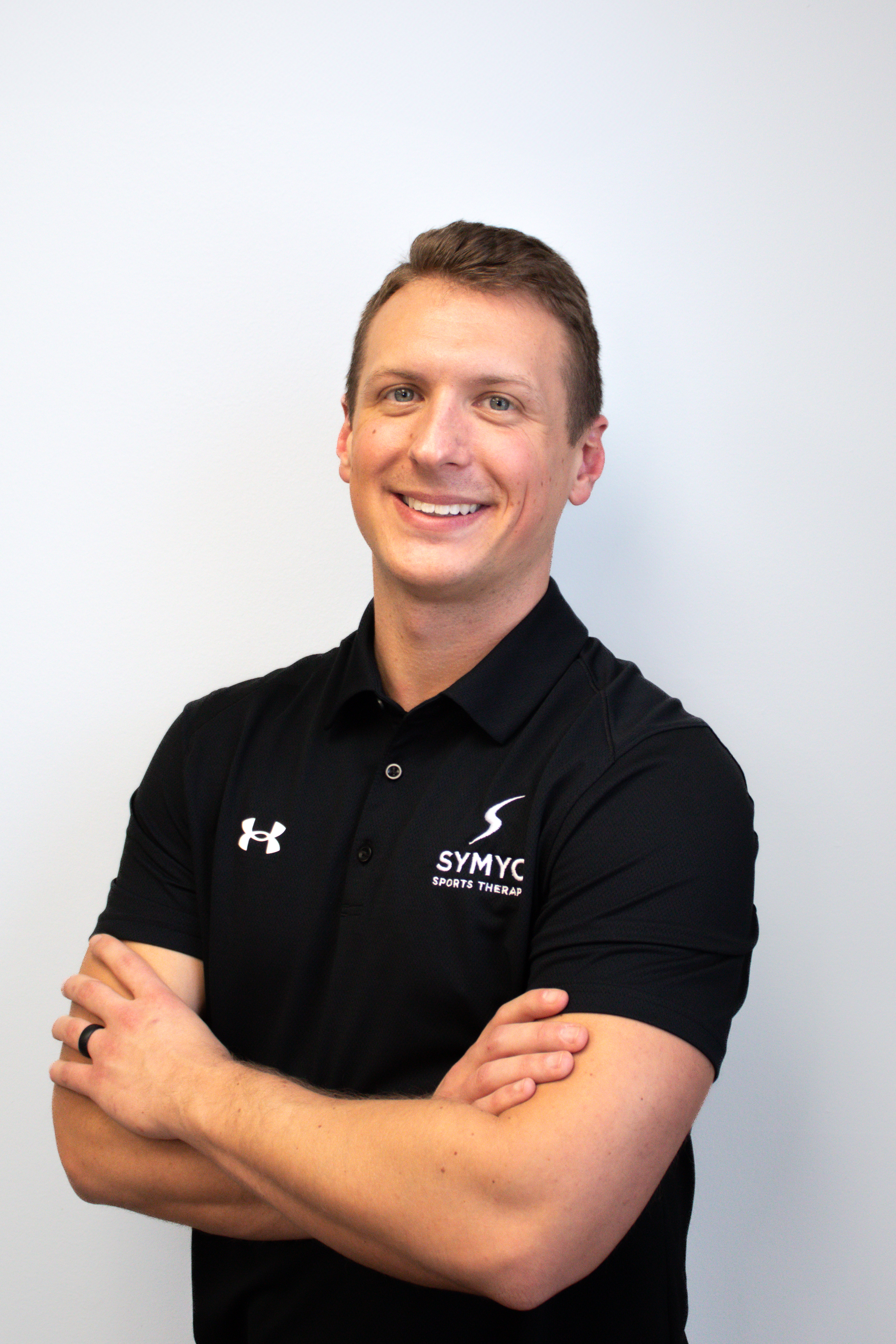
I'm Dr. Mitch Israel, a sports chiropractor and rehab specialist and the owner of SYMYO Sports Therapy in Farmington Hills, Michigan.
I created SYMYO to help people do more than temporarily feel better.
My goal is to help you understand your body, improve what actually needs improving, and build the strength and confidence to keep doing the things you enjoy.
When general advice is not enough, a personalized assessment and plan can make the difference.
SYMYO Sports Therapy
33930 West 8 Mile Road, Suite 2AFarmington Hills, MI 48335
Serving Farmington Hills, Novi, Northville, Livonia, Plymouth, West Bloomfield, Farmington, and surrounding Metro Detroit.