Hypermobility · Stability · Strength
Strength Training With Hypermobility: Build Stability Without Chasing More Range
By Dr. Mitch Israel·October 9, 2026
If you're hypermobile, you've probably heard that getting stronger can help. But what happens when strength training is the thing that keeps causing problems?
You start working out. Something gets irritated. You take time off. You try again, and something else starts bothering you.
Being hypermobile does not mean you should avoid strength training. It means your training may need to look a little different.
If you are not sure whether you are hypermobile, start with our guide to joint hypermobility and the Beighton Score.
Why Strength Matters When You Have Extra Mobility
If a joint has more movement available, you also need enough control and strength to support that movement.
A useful program is not built around becoming as flexible as possible. In many cases, the bigger priority is becoming strong and stable with the mobility you already have.
That does not mean spending every workout doing tiny corrective exercises. Stability work should prepare you for the larger exercises and activities you actually want to do.
Does Something New Get Irritated Every Time You Train?
Tell me what you have tried, which movements bother you, and what you want to get back to doing. I'll review it and let you know whether SYMYO may be able to help.
Full Range of Motion Needs Context
For many people, strength training through a full, comfortable range is useful. Squat deeply if you can do it well. Train muscles in lengthened positions. Use the mobility you have.
Hypermobility is one situation where “always use your full range” needs more context. Your available range may be much larger than someone else's.
Someone whose knees extend well beyond straight does not necessarily need to push into that furthest position during every exercise. The same idea can apply to hypermobile shoulders, elbows, hips, and other joints.
Just because you can reach a position does not mean you need to load the very end of it right away. Begin where you feel strong and steady, then progress based on how your body responds.
Stability Should Support Your Strength Training
Stability is your ability to stay strong and steady while you move.
If your hips need more stability, you might begin with targeted stability work and then reinforce it with split squats, step-ups, single-leg deadlifts, or another exercise that asks your hips to stay controlled while producing force.
Now your stability work and strength training serve the same goal instead of living in separate programs.
Use Tempo to Make Less Range More Challenging
One easy way to make an exercise harder without immediately adding weight or range is to slow it down.
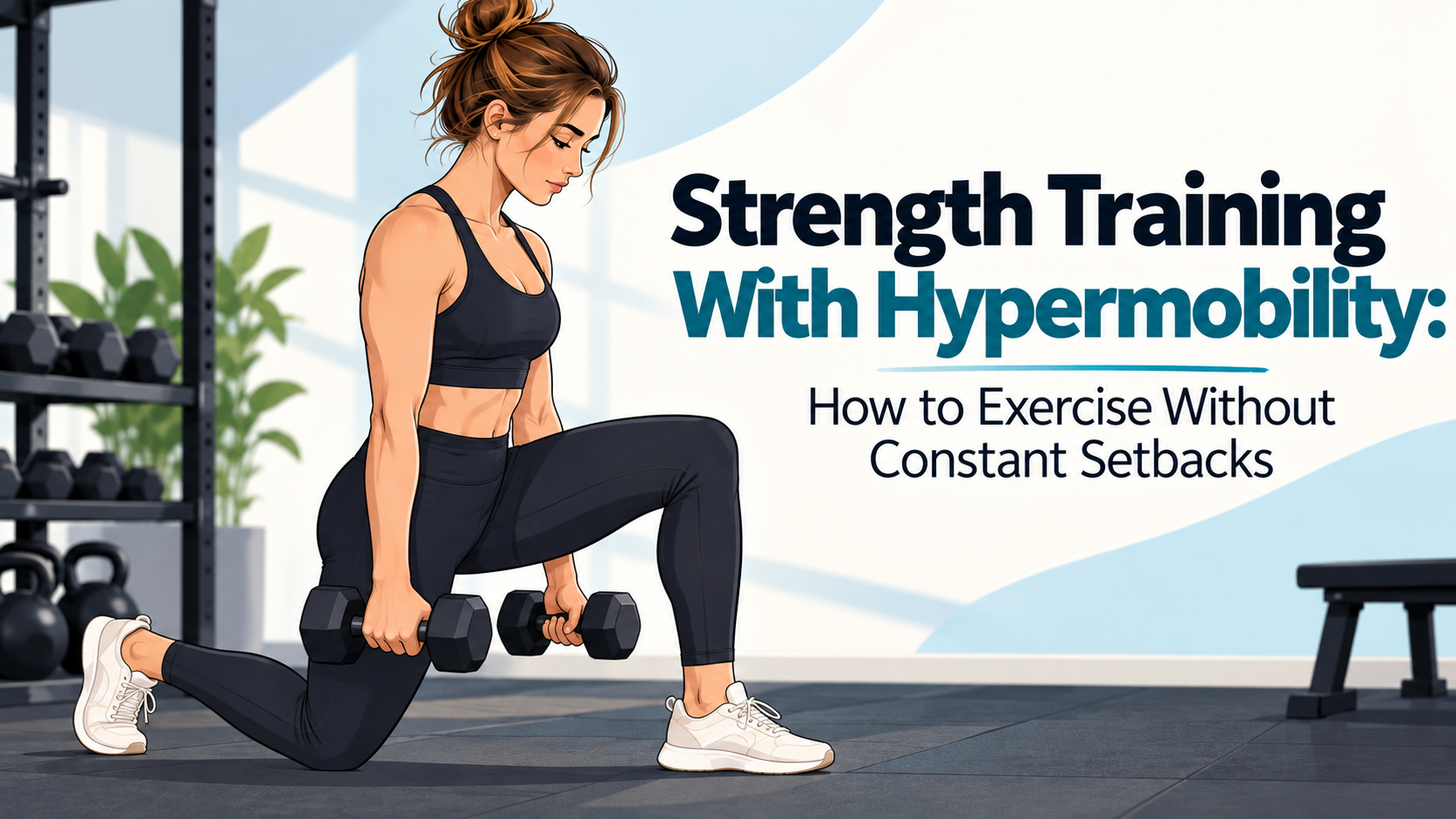
Try taking three or four seconds to lower into a squat. Slowly lower during a split squat and add a short pause before standing.
A lighter weight and smaller range can suddenly become demanding. The slower tempo gives you more time to focus on staying steady while your muscles still do plenty of work.
Mobility Is Not the Same as Control
Being able to get into a position does not mean you are strong there.
A deep squat, a large shoulder range, or easily touching the floor shows access to motion. It does not show how much control or strength you have throughout that motion.
The goal is not to keep chasing more movement. It is to build the strength and stability to support the movement that is already available.
Progress Does Not Always Mean Going Deeper
More weight, more repetitions, a deeper range, and a harder variation are all ways to progress—but they are not the only options.
You can progress by slowing down, adding pauses, improving control, increasing resistance, adding repetitions, or gradually increasing range when it makes sense.
You do not have to force yourself deeper into an exercise just to make it harder.
There Is No Universal Hypermobility Workout
Two people can both be hypermobile and need completely different programs.
One person may have very mobile shoulders but do well through the hips and knees. Someone else may need more hip stability. Another person may have good control but need more strength for the activities they enjoy.
That is why I do not hand every hypermobile person the same list of “best exercises.” We first need to know where you are hypermobile, where you need more control, where you need more strength, and which movements have caused problems.
Hypermobility Strength Training in Farmington Hills
If hypermobility keeps getting in the way of becoming stronger, you probably do not need another random workout.
The SYMYO Movement & Performance Assessment looks at mobility, stability, strength, movement, symptoms, and goals. Your starting plan may use less range, more stability, slower repetitions, and gradual loading. Someone else may need a different approach.
First, we figure out what your body needs. Then we build the program around you.
For additional general guidance, see the Ehlers-Danlos Society's physical therapy resource and the NHS joint hypermobility guide.
Common Questions About Strength Training and Hypermobility
Should people with hypermobility strength train?
Many people with hypermobility can benefit from strength training. The right starting range, load, speed, and exercise selection depend on your symptoms, control, goals, and which joints are hypermobile.
Should I use a full range of motion if I am hypermobile?
Not automatically. Start with a comfortable range you can control well. You can gradually increase range when it supports your goals and your body responds well.
Should hypermobile people avoid stretching?
Not everyone needs to avoid stretching, but more flexibility may not be the main priority when you already have plenty of motion. Avoid forcing a joint farther simply because it can move there.
What exercises are best for hypermobility?
There is no universal list. Exercise selection should reflect where you need stability or strength, which movements bother you, and the activities you want to perform.
How can I make an exercise harder without adding range?
You can slow the lowering phase, add pauses, improve control, add repetitions, or gradually add resistance. Progress does not always require a deeper position.
Ready to Get Stronger Without Guessing?
Start with an assessment so your range, stability work, exercise selection, and progression match what your body needs.
Learn About the AssessmentRelated SYMYO Resources
This article provides general education, not medical advice or an individualized exercise plan. Stop if exercise causes pain, instability, or other concerning symptoms, and seek appropriate professional care when needed.